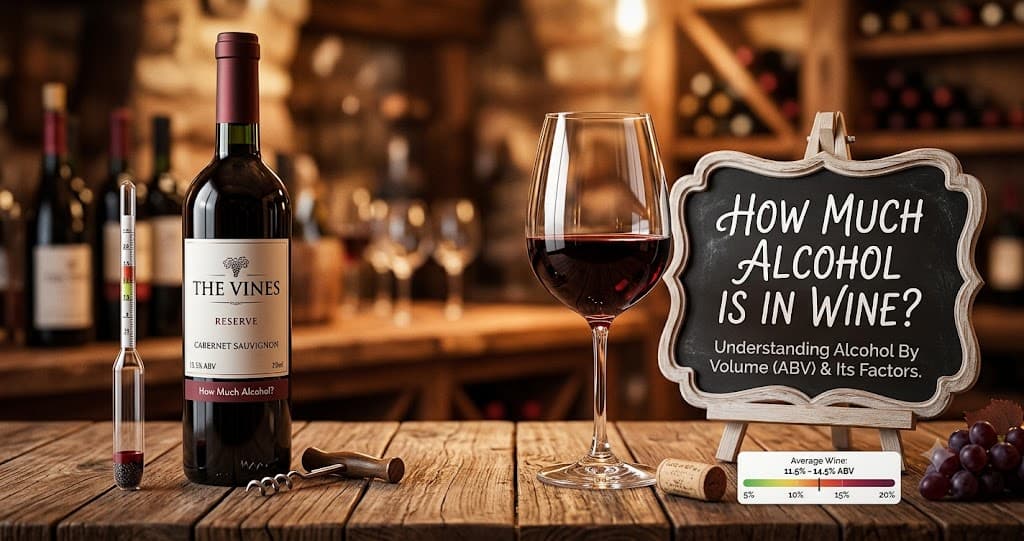
Wine is one of the world’s most popular and loved alcoholic beverages, yet many people wonder about its alcohol content, and what if I tell you that, I’ve even been asked, "Is wine alcohol?" Whether you’re choosing a bottle for dinner, understanding how much wine it takes to get drunk, monitoring your alcohol intake for health reasons, or comparing different wine styles, understanding wine ABV (alcohol by volume) can help you make informed choices.
In this guide we’ll explain alcohol by volume in wine, average wine alcohol content, how much alcohol is in a glass of wine, and which wines have the highest ABV.
Wine ABV stands for Alcohol By Volume. It measures the percentage of pure alcohol contained in a wine.
For example:
The alcohol volume of wine is determined during fermentation, when yeast converts grape sugars into alcohol. Wines of all origins typically display the wine ABV clearly, making it easy to compare different bottles. Different types of wine have different levels of alcohol.
Yes, wine is an alcoholic beverage made by fermenting the grape juice. During fermentation, naturally occurring sugars in the grape juice are converted into ethanol (alcohol), which gives wine its alcoholic potency. Therefore, wine alcohol content varies depending on the grape variety, climate, winemaking style, and fermentation process.
The average alcohol content of table wine typically ranges from 9% to 15% ABV.
| Wine Style | Average ABV |
|---|---|
| Sparkling Wine | 10% to 12.5% |
| White Wine | 10% to 14% |
| Rosé Wine | 11% to 13.5% |
| Red Wine | 12% to 15% |
| Fortified Wine | 15% to 22% |
Understanding alcohol percent wine helps consumers choose wines that match their preferences and tolerance levels.
White wine alcohol content generally falls between 10% and 14% ABV.
Cool-climate white wines often have lower alcohol levels, while warm-climate styles tend to have higher ABV. This is directly related to the natural sugar content in the grapes, which is higher in warm-climate grapes and more moderate in cool-climate grapes.
Red wine alcohol content is usually higher than many white wines because black grapes mainly grow in warm-climate regions, often achieving a higher degree of ripeness and sugar concentration.
Typical red wine ABV levels include:
Red wine ABV is typically higher, giving red wines a fuller body and more texture.
The answer to this depends on the one style as the serving size. Most table wines contain between 11% to 14% alcohol by volume in wine. A standard 750ml bottle of wine at 13% ABV contains approximately 97.5ml of pure alcohol. The exact wine alcohol can vary considerably between producers, vintages, and wine styles. Keeping an eye on the wine label for ABV will help you pick the right bottle every time. Since alcohol also hides calories in it, knowing it well will ensure that every time you pour a glass, you know your wine and calories right.
A standard serving of wine is 150 ml (5 ounces). The total amount of alcohol in a glass of wine will depend on the ABV of the wine you choose to drink.
For a wine with 13% ABV:
This means a standard glass of wine typically contains roughly the same amount of alcohol as a regular beer or a standard spirit measure.
The amount of alcohol changes depending on the serving size.
| Wine Serving Size | Wine ABV | Pure Alcohol |
|---|---|---|
| 125 ml | 13% | 16.25 ml |
| 150 ml | 13% | 19.5ml |
| 175 ml | 13% | 22.75 ml |
| 250 ml | 13% | 32.5 ml |
| 750 ml Bottle | 13% | 97.5 ml |
Understanding how much alcohol is in wine by size helps consumers track alcohol consumption more accurately. For instance, lighter and low-alcohol styles are often considered the best wines for women.
A high ABV wine generally contains 14% alcohol or more. Take a look at the high ABV wine style examples:
These wine styles have a fuller body, more texture, and concentrated flavors, all of which make them more complex too.
For naturally fermented wines, some of the highest ABV levels can reach 15% to 16.5%.
Examples include:
However, fortified wines contain significantly higher alcohol.
Examples include:
So if you're asking, "Which wine has the most alcohol by volume?" fortified wines are generally the strongest wine category available.
This is not at all true! The quality of wine depends on many factors—wines with low or high ABV can be top tier or even fall in the segment of unacceptable quality.
A higher wine ABV does not automatically indicate better quality. Alcohol should be balanced with:
Many outstanding wines are only 11% to 12.5% ABV, while some powerful wines exceed 15% ABV. The best wines achieve balance across all their aspects rather than simply maximizing alcohol content.
Wine alcohol varies widely depending on grape variety, region, climate, and winemaking style. Most wines typically have between 11% to 14% ABV, while wines with even higher alcohol can exceed 15%. Having a clear understanding of wine ABV, the alcohol content of wine, and the alcohol percentage in wine can help you compare different styles, estimate alcohol intake, and choose wines that suit your preference and occasion.
Whether you’re trying to drink wine proficiently, enjoying a crisp, citrusy Sauvignon Blanc, a bold Cabernet Sauvignon, or a fortified wine like Port or Sherry, knowing how much alcohol is in wine allows you to appreciate every glass more responsibly.
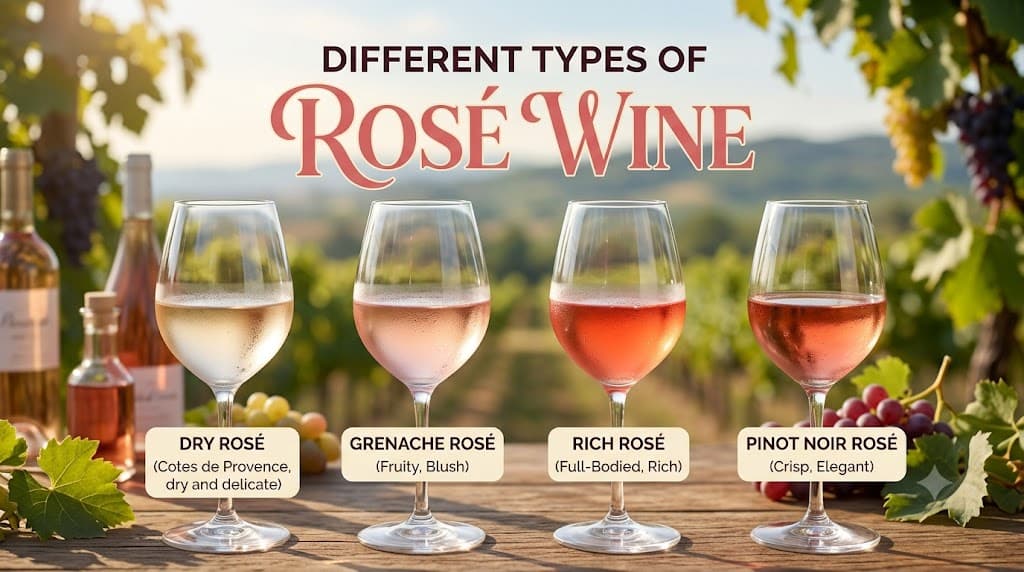
Rosé is no longer just the pretty pink wine we reach for on a sunny afternoon or on a girls’ day out. From pale, bone-dry Provence rosé to rich Tavel, fruity White Zinfandel, and even sparkling rosé, there is a surprisingly wide world of pink wine to explore.
So, how do you know which one to choose? The easiest way is to understand the different types of rosé wine and how they differ in sweetness, body, flavor, and style. Once you know what you like, choosing a bottle becomes much easier.
How is rosé wine made is what differentiates it from red wine. Rosé is made from red grapes, but the grape skins have much less contact with the juice than they would during red wine production. This gives rosé its beautiful pink color while retaining the freshness we often associate with white wine. The color can range from the palest onion skin and peach to salmon, pink, and deeper ruby with an orange hue. And color doesn't necessarily tell you how sweet the wine will be. Rosé can be dry, off-dry, sweet, still, or sparkling. That's what makes the category so interesting. If you're new to the category, you may also want to read our guide on what is rosé wine.
There is no official list that defines every rosé in the world. Instead, to understand rosé wine, one can look at grape variety, region, production method, and sweetness. Here are some of the most useful rosé wine types to know from around the world:
This is probably the style most people picture when they think of modern rosé. Usually pale in color, Provence rosé is typically dry, fresh, and light to medium-bodied. You can expect fresh flavors of strawberry, citrus, peach, herbs, and sometimes a subtle mineral character. Made from varieties such as Grenache, Cinsault, Syrah, and Mourvèdre. It is wonderfully versatile with food. Think grilled fish, salads, Mediterranean vegetables, or seafood, or simply pair this rosé with a plate of fresh cheese on a balmy day.
Spain's Garnacha Rosado offers a more fruit-forward expression of rosé. Strawberry, raspberry, watermelon, and citrus flavors are common, often balanced by refreshing acidity. It is particularly good with Spanish food. Tapas, seafood, paella, and grilled vegetables are easy matches.
Pinot Noir can make an elegant, lighter style of rosé with bright acidity and delicate red-fruit flavors. Expect strawberry, raspberry, cherry, and floral notes, sometimes with a subtle earthy character. If you usually enjoy lighter white wines or elegant Pinot Noir, this can be a beautiful rosé to try. Best food pairings would be tossed salads, prosciutto & melon, and open veggie canapés, for more you can read this Pinot Noire and food pairing guide.
Mourvèdre gives rosé more weight and structure. It is especially associated with southern France and Bandol, where the wines can be quite serious and age-worthy. You may find flavors of red berries, peach, herbs, spice, and savory notes. This is a great choice when you want something that can stand up to grilled fish, lamb, barbecue, or richer Mediterranean dishes.
Italy's Sangiovese can produce rosé with lively acidity and flavors of strawberry, sour cherry, citrus, and red fruit. Italian rosé, often called Rosato, can be made from several local grape varieties and may have more colour and savoury character than the delicate Provence style. These wines are particularly enjoyable with Italian food, from pizza and pasta to grilled vegetables and cheese platters.
Tavel, from the Rhône Valley in France, is one of the more distinctive rosé styles. It tends to be deeper in color and fuller-bodied than a typical pale Provence rosé. It can have ripe red-fruit flavours, herbs, and savoury complexity, making it particularly good with substantial food. So if you thought rosé is always light and delicate, Tavel may change your mind.
White Zinfandel is one of the best-known sweeter styles of rosé, particularly in the United States. It is generally off-dry to medium-sweet, with flavors of strawberry, watermelon, and other ripe fruit. It is very different from the dry, pale rosés associated with Provence. If you enjoy a softer, sweeter, fruitier wine, this may be your style. White Zinfandel can be a superb match for light desserts like meringues, macaroons, or Madeline cakes.
If you are looking for a sweeter rosé, Moscato Rosé is one to know. It is often highly aromatic, with flavors of strawberry, orange, and other ripe fruit. Depending on the wine, it can be still or lightly sparkling, with refreshing acidity balancing the sweetness. This makes it particularly good with spicy food, fruit tarts, or simply as an easy-drinking aperitif. And yes, white moscato and pink moscato (rosé moscato) are different.
Yes, rosé can sparkle too. Rosé Champagne combines the freshness and structure of Champagne with red-fruit flavors and the visual appeal of its pretty pink color. It can be made using the traditional Champagne grapes and is produced either by blending or through the saignée approach, depending on the producer and style. And if you love bubbles, don't stop at Champagne. Rosé Prosecco is another popular sparkling style known for its easy-drinking nature.
There isn't a universally recognized system of exactly seven official classifications of rosé. However, rosé can be broadly understood through categories such as dry, off-dry, sweet, sparkling, still, light-bodied, and fuller-bodied styles. For everyday wine buying, you should simply know what rosé wine tastes like. It is more useful to think about the wine's sweetness level, body, acidity, grape variety, and origin than to memorize a complicated, fixed classification system.
Brut Champagne is a dry sparkling wine. "Brut" refers to the wine's relatively low level of residual sugar, which is often not recognizable on the palate. So a Brut rosé Champagne, despite its pink color and fruity aromas, feels typically dry rather than sweet on the palate. Rosé Champagne labelled Brut is therefore a good choice if you want bubbles, a red-fruit character, and freshness without the noticeable sweetness.
There isn't one universal answer, but Moscato Rosé and sweeter styles of White Zinfandel are among the rosés commonly found at the sweeter end of the spectrum. Always check the label or producer's description rather than relying on color. Sweet wine labels typically show clear information on grams per liter of sugar, which indicates the sweetness level, allowing you to choose accordingly. A deep pink rosé isn't automatically sweeter, and a very pale rosé isn't automatically dry.
Provence-style rosé is arguably the most recognizable dry rosé style internationally. It is particularly famous among people looking for a pale, elegant, dry, and refreshing rosé wine. White Zinfandel has also been enormously popular, particularly in the United States amongst circles of sweet wine lovers. Popularity of a wine style, however, depends on the market and whether we're talking about a particular region, grape, brand, or style.
Here are some of the best and most unique rosé wine bottles to try based on your taste preference:
And that is perhaps the best thing about rosé: there isn't just one style. So there’s something for every mood and occasion. From a pale glass of Provence on a warm afternoon to a fuller Tavel with dinner or a celebratory rosé Champagne, the world of pink wine is far bigger and more interesting than it first appears.
Next time you pick up a bottle, don't just ask, "Is it rosé?" Ask: "What kind?"
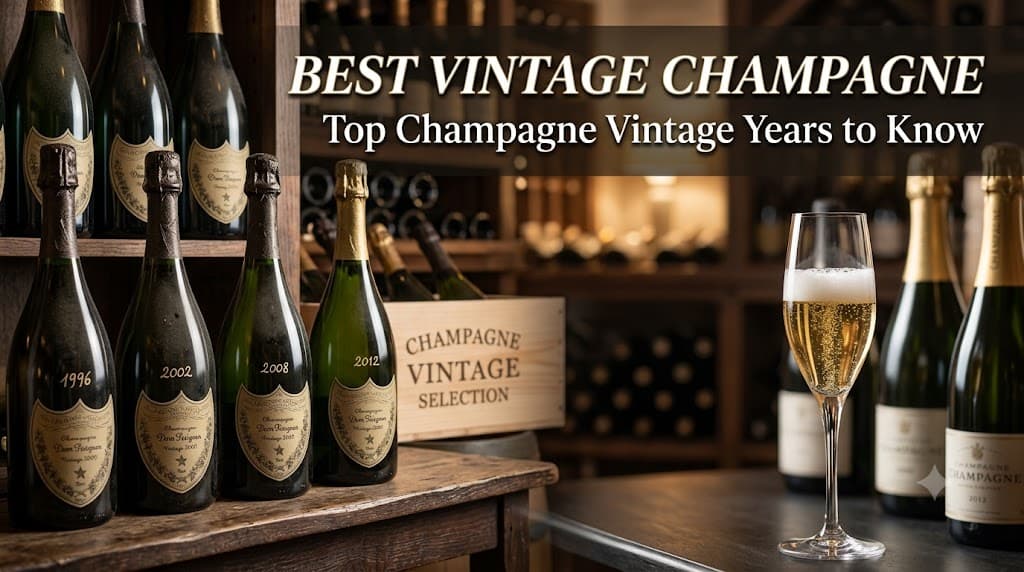
We know of many different champagne types, but when it comes to vintage champagne, the year on the bottle can tell you far more than just when the grapes were harvested. A great vintage can produce wines with remarkable freshness, concentration, complexity, and aging potential. This is the reason why certain Champagne vintage years have become particularly sought after by fine wine collectors and wine lovers.
But there is an important distinction: there is no single “best” vintage for everyone. A champagne from 1996 may appeal to someone who loves intense acidity and mature complexity, while a 2012 may be more appealing to someone looking for richness, balance, and immediate pleasure. So, what is champagne, what are the best champagne vintage years, and which bottles are worth paying for? Let us find out!
Unlike non-vintage champagne, which blends wines from different harvests to create a consistent house style, vintage champagne is made from grapes harvested in a single year. champagne houses do not necessarily declare a vintage every year. The decision depends on the quality and character of the harvest. The best champagnes are given extended aging in the bottle before release. In fact, all champagne must age for 12 months in the bottle in contact with dead yeast; this is Lees aging. Vintage champagnes age for a much longer time. This aging allows the wine to develop complex flavors beyond fresh fruit, like brioche, toast, nuts, honey, dried fruit, and spice, while retaining the acidity that gives champagne its characteristic freshness. This is what makes vintage champagne particularly fascinating—it reflects not only the house style but also the personality of the growing season.
A great year in Champagne generally combines ripe, healthy champagne grapes with enough acidity to give the wines freshness and structure. Weather throughout the growing season matters enormously, but so does the skill of the producer. This is why a vintage chart should be treated as a guide rather than an absolute ranking. A superb producer can make an exceptional wine in a less celebrated year, while even a famous vintage can show differences between houses and cuvées. But several years consistently stand out.
| Vintage | Style | Why It Stands Out |
|---|---|---|
| 1996 | ntense, precise, high-acid | Exceptional longevity and energy |
| 2002 | Rich, elegant, balanced | Ripe fruit with impressive structure |
| 2008 | Fresh, taut, mineral | Outstanding precision and aging potential |
| 2012 | Powerful, generous, complex | Excellent balance of ripeness and acidity |
| 2013 | Fresh, focused, mineral | Particularly exciting for Chardonnay lovers |
| 2014 | Bright, energetic, elegant | Freshness and excellent definition |
The 1996 vintage is legendary for its combination of ripe fruit and exceptionally high acidity. The result is a vintage champagne with energy, tension, and remarkable aging potential. Well-stored bottles can now show layers of toast, citrus, honey, nuts, and savory complexity while retaining impressive freshness in the glass. For lovers of mature champagne, 1996 remains one of the great champagne vintages.
If 1996 is about tension, 2002 is about harmony. Excellent weather during the growing season produced champagne grapes with ripeness and flavor concentration while retaining enough acidity to keep the wines balanced. The best 2002 champagnes combine generosity with precision and have developed beautifully with age. This is one of the good champagne vintages to look for if you want a bottle that offers both maturity and richness in each sip.
Ask wine professionals about the best vintage champagne, and 2008 is likely to enter the conversation. The year produced wines with remarkable freshness, concentration, and precision. Cool conditions helped preserve acidity while allowing the grapes to achieve excellent ripeness. The result is champagne that feels energetic and tightly structured, with the potential to develop for many years.
The 2012 vintage offers a slightly different expression. It combines ripe fruit and concentration with the acidity needed to maintain freshness. The wines tend to be generous and expressive, making 2012 one of the more approachable great Champagne vintages for people who don't want to wait decades before opening a bottle.
Vintage champagne isn't only about the famous years. 2013 produced wines with freshness and mineral character, with Chardonnay performing particularly well in many examples. 2014 also produced bright, energetic wines with excellent freshness.
Once you've identified a great year, the next question is, which bottle? Choose from some of the most sought-after prestige cuvées handpicked by our expert:
For anyone specifically searching for the best Dom Pérignon vintages, the same great champagne years provide an excellent starting point. Dom Pérignon 2008 is particularly sought after for its precision, freshness, and aging potential. Dom Pérignon 2012 offers a richer and more generous interpretation, while older vintages such as 1996 and 2002 can offer fascinating mature complexity when properly stored.
However, the “best” Dom Pérignon vintage ultimately depends on the style you enjoy. A younger 2008 may appeal to someone who loves crisp freshness and minerality; a mature 2002 may be preferable to someone looking for toast, honey, and developed complexity. And, take our word for it - Dom Perignon is the best champagne to give as a gift
If you're buying vintage champagne, don't look at the year alone. Consider the producer, prestige cuvée, disgorgement date, storage conditions, and bottle provenance. A perfectly stored bottle from a slightly less fashionable vintage can be far more enjoyable than a famous vintage that has been poorly stored.
Also think about when you want to drink it? For a mature, complex experience, look for older vintages such as 1996 or 2002. For freshness, energy, and aging potential, 2008 is an excellent choice. If you want a combination of generosity and structure, 2012 is particularly appealing.
The best champagne vintages are not simply the years with the highest scores. They are the years that produced wines with balance, character, and the ability to evolve. If you are building a champagne collection, 1996, 2002, 2008, and 2012 are excellent years to know. But perhaps the most enjoyable approach is to taste different vintages and discover how champagnes can be so dramatically different, based on the character of the harvest. After all, the magic of vintage champagne lies in precisely that - every bottle captures a particular year in champagne and gives you the chance to taste it decades later.
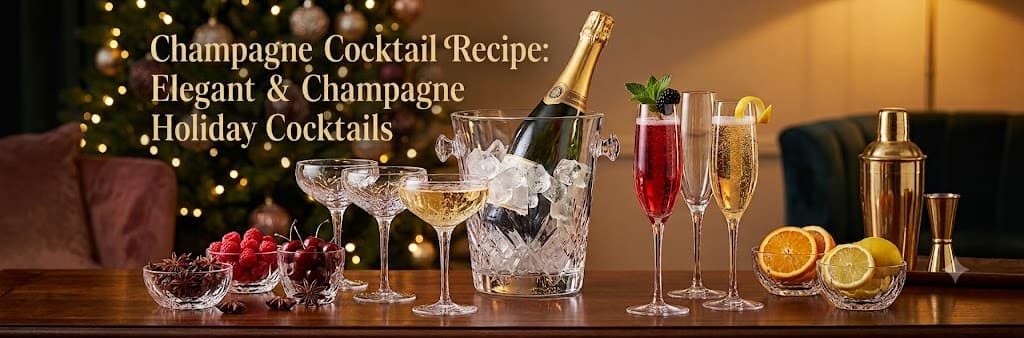
Champagne? A drink that has always resonated with elegance and celebration. Beyond raising a celebratory toast, champagne is also known to create the most visually stunning, classy, and refreshing cocktails. Flavors from fruit peels or juices, bitters, liqueurs, and other spirits combine well with the fizz and flavors of Champagne. There are some surprisingly versatile and popular cocktails that can be created with champagne.
So, whether you’re looking to create cocktail drinks with champagne, figure out the best champagne for cocktails, or (already) sketch out your festive Xmas cocktails list for a holiday party, this guide explores everything you need to know about making crowd-pleasing and delicious champagne-based drinks.
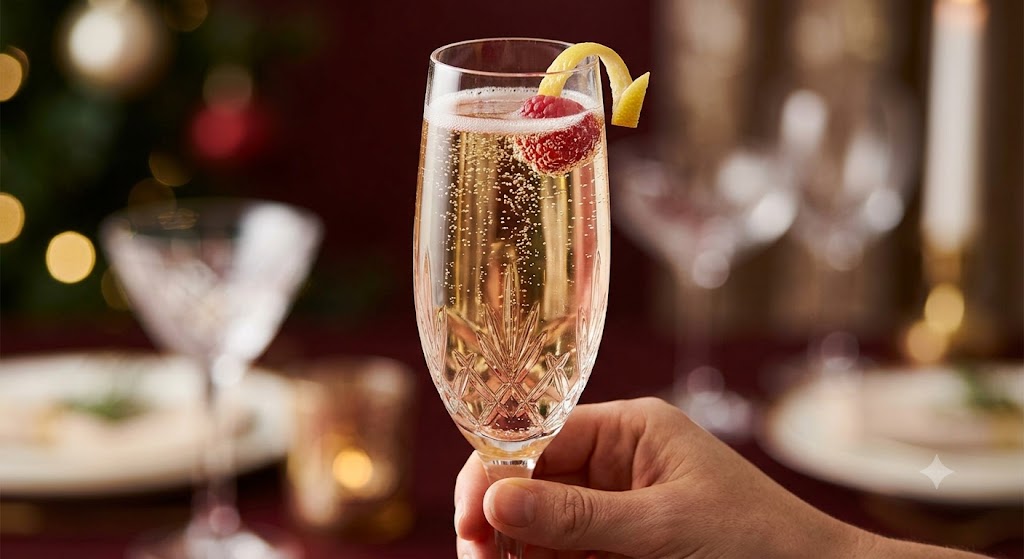
Champagne cocktails are mixed drinks that use champagne as the primary ingredient or cocktail base. Champagne-based drinks feel light and aromatic and get further enhanced with the addition of citrus or berry notes and liqueurs. Champagne can feature as a finishing to top up the drink or can even be the base where you start building the drink with champagne. Its lively bubbles impart a refreshing texture to the drinks, which makes them perfect for summer sipping and holiday parties alike. There are many different types of champagne out there, but first understand what is champagne and choose the next perfect bottle for your soirée.
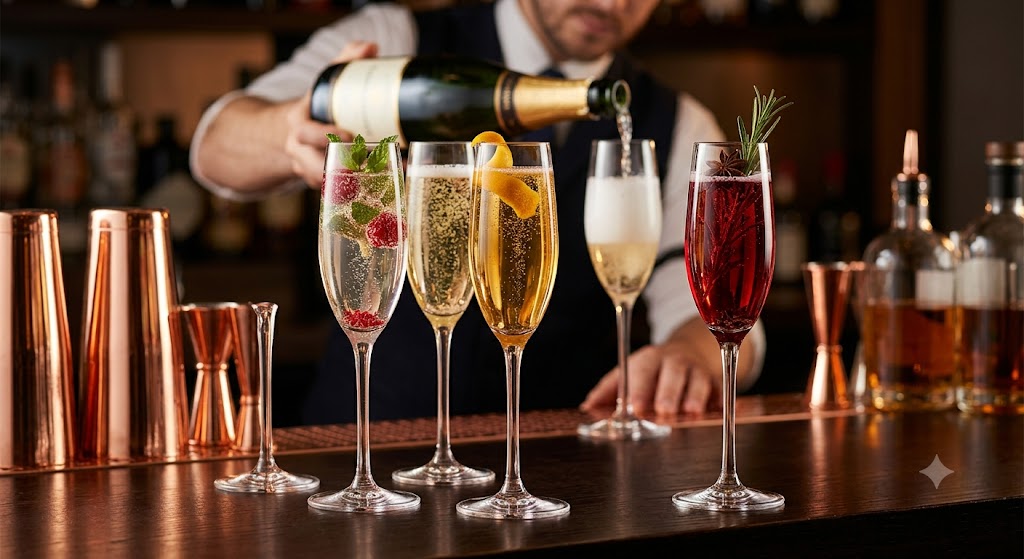
Cocktail drinks with champagne feel lighter and more refreshing than many spirit-based cocktails. The best standpoint of champagne is its high and bright acidity. Champagne blends well in sparkling wine-based cocktails, as the effervescence lightens and elevates the drink without ever making them feel heavy or overtly pleasant. The fine bubbles of champagne add a crisp character to the cocktails, further enhancing the aromas, while also making other flavors like berries, bitters, or fruits shine through subtly. Another advantage is versatility. Champagne pairs effortlessly with so many different ingredients, such as orange liqueur, cranberry or orange juice, elderflower, or fresh fruits. You create a wide range of sparkling cocktails.
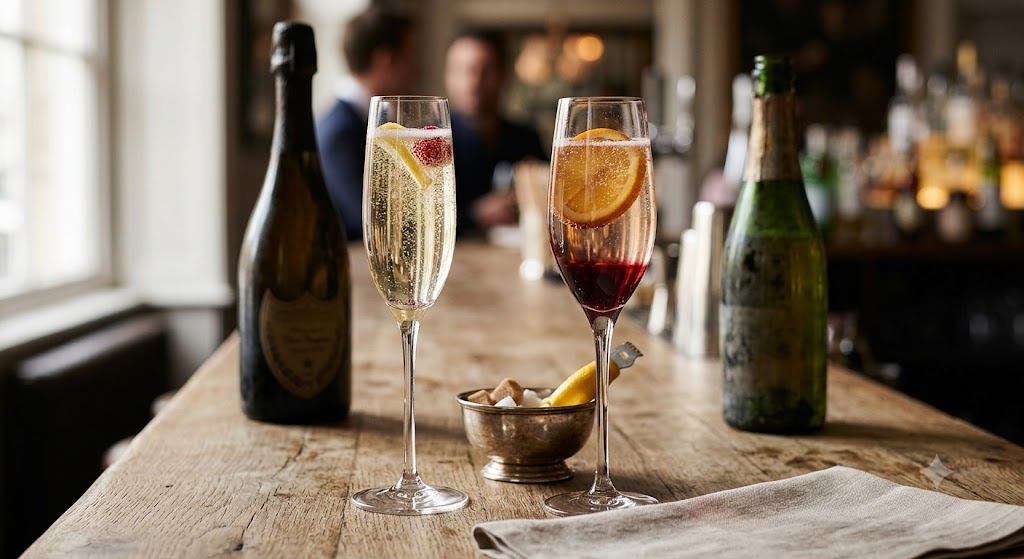
You may find "champagne" being used as a generic term in general or in the case of sparkling wine cocktails. But a sparkling wine can really be called champagne only if it hails from the Champagne region of France. Many cocktail recipes feature the use of sparkling wines other than champagne. The choice totally depends on what pleases your pocket and palate. High-quality sparkling wines like Cava or more budget-friendly Prosecco form the base of many famous sparkling wine-based cocktails. Knowing the difference between Champagne vs Prosecco can help you choose the perfect sparkling wine for your next cocktail party. Understanding sparkling wine types, flavors, and pairings can help you pick the right one for your next cocktail.
The best champagne for cocktails is usually a Brut Champagne, which is dry and crisp. Dry sparkling wines balance off other pleasant ingredients like fruit juices or syrups and help maintain freshness in the drink. Brut Champagne cocktails pair well with various cuisines because champagne and food pairing is already a time-tested way of successfully combining wine and food. Brut Champagne, Brut sparkling wine, and dry Prosecco are excellent options. Extremely pleasant styles of sparkling wine should be avoided, as they can take away from the other natural flavors in the drink. The goal is to choose a champagne such as Billecart-Salmon that complements the cocktail rather than overpowering it.
It is an ever-pleasing, elegant, and simple cocktail that is still popular in the world of modern-day craft cocktails. The classic champagne cocktail is really the most classic one; it dates back to the 1800s. Building the perfect classic champagne cocktail is really easier than it sounds. Let's take a peek into the ingredients and the method of making this stylish classic champagne cocktail
Ingredients:
Method:
Place the sugar cube in a Champagne flute and add bitters. Pour in the cognac and gently top up with champagne. Garnish with a lemon twist and voila!
The best champagne for this cocktail recipe is Pommery Grand Cru Royale - with its deftly balanced citrus, green pear flavors, subtle brioche-like aromas, and brut style, Pommery Champagne allows aromatic bitters to shine softly upon the cocktail's otherwise crisp nature, elevating the experience with mild warmth from Cognac.
| Cocktail | Main Ingredients | Flavor |
|---|---|---|
| Classic Champagne Cocktail | Champagne, bitters, sugar cube, cognac | Elegant, lightly sweet |
| Mimosa | Champagne, orange juice | Bright, citrusy |
| Bellini | Champagne, peach purée | Fruity and soft |
| Poinsettia | Champagne, cranberry juice, orange liqueur | Festive and tart |
| Kir Royale | Creme de cassis, Champagne | Luxurious berry notes, sophisticated |
| French 75 | Champagne, gin, lemon juice, sugar | Citrusy and refreshing |
Many famous cocktails use champagne as a central ingredient. The Mimosa is one of the most well-known brunch drinks, simply combining champagne with fresh orange juice for a bright and refreshing cocktail. Perfect citrus buzz to wake you up on a holiday morning. Stir up a mimosa with Perrier-Jouet Blanc de Blancs Champagne, a champagne style made using white grapes only. The shiny acidity perks up Mimosa’s already vibrant persona with its purest expression of Chardonnay, offering minimalistic luxury alongside notes of white flowers, citrus peels, and toast.
The Bellini is made with peach purée and sparkling wine—another classic favorite. Blend fresh peach purée with Moet & Chandon Brut Imperial Champagne. An iconic mainstay of champagne cocktails, Moet & Chandon offers subtle underpinnings of berry fruit & sourdough, letting the fresh peach notes get enhanced as persistent yet soft bubbles gingerly rise to the top of the champagne flute.
Meanwhile, the French 75 blends gin, lemon juice, sugar, and champagne. Billecart-Salmon Brut Reserve Champagne, a champagne as classic and luxe as the French 75 cocktail, is the model pick for this recipe. Billecart-Salmon has a balanced appeal where flavors elevate the cocktail’s sweet-sour tone. The faultless marriage of botanicals and citrus makes this cocktail irresistible.
Another widely popular Xmas champagne cocktail is the poinsettia cocktail. This champagne-based drink is named after the classic red holiday flower; it’s bright and festive to look at and incredibly easy to make. Here’s how you can make a poinsettia in just minutes:
Ingredients
Method:
Pour cranberry juice and orange liqueur into a Champagne flute. Top with chilled champagne and garnish with an orange peel or fresh cranberries. Henriot Brut Souverain Champagne is a vibrant yet quietly luxurious champagne for this Christmas champagne cocktail. Henriot Brut Souverain Champagne showcases soft green fruit, a mild floral bouquet, and baguette-like notes, which skillfully blend with Poinsettia’s festive personality without losing champagne’s own delicate balance.
Champagne cocktails are easy to build and also customizable according to seasonal flavors. Simple variations can include adding fresh berries, citrus slices, or flavored liqueurs. For example, adding elderflower liqueur creates a floral sparkling cocktail, while pomegranate juice adds depth and layers of color. Using fresh or dried herbs such as rosemary or thyme can add aromatic complexity and a great aesthetic. These variations make Champagne cocktails especially popular for festive occasions and themed gatherings.
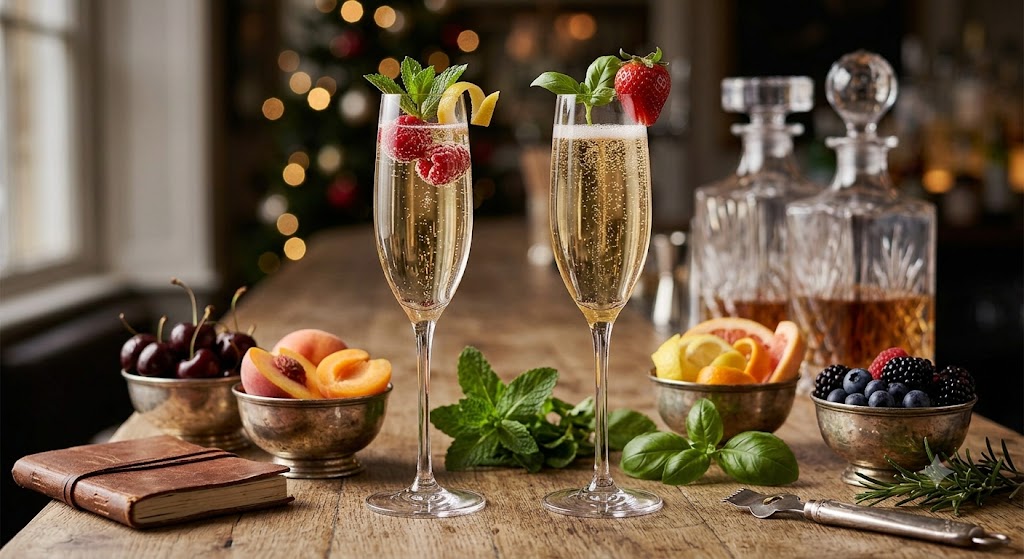
Champagne pairs well with a variety of fruits and fresh ingredients. Citrus fruits such as orange, lemon, and grapefruit enhance the wine’s acidity and brightness. Berries, including raspberry, strawberry, and cranberry, bring natural sweetness and vibrant color. Stone fruits such as peach and apricot create softer, fruit-forward cocktails. Herbal notes like mint, basil, and rosemary complement the sparkling wine and add aromatic depth.
Champagne cocktails are quintessential for holidays, as they are easy to make and seamlessly blend Champagne's prestige with modern cocktail fervor. The celebratory sense offered by champagne’s pop of the cork signals joy and excitement of the season. Along with being stylish, Champagne cocktails are quite functional for the hosts—high acidity and bright flavors help cleanse the palate between rich holiday food offerings like heavy roasts and creamy seafood dishes. Champagne cocktails are incredibly food-friendly, making them a foolproof choice for diverse holiday menus across different cultures. The effervescence of champagne helps release aromas of spirits and other seasonal ingredients like rosemary sprigs, cranberries, and citrus peels, creating an intriguing mix of flavors and a festive cocktail experience.
Christmas parties are all about fun, and champagne cocktails can add fizz and elegance to them. Best cocktails for Xmas parties are Poinsettia, Bellini, and Mimosas—all of them are fizzy and light and add a bright festive cheer to the holiday tables without feeling heavy or too potent. Holiday aesthetics come alive as champagne cocktails allow you to imaginatively use fruit peels, red berries, rosemary sprigs, or pomegranate to give your personal touch and make the cocktails vibe with your holiday party perfectly.
Holiday-themed champagne drinks can add in winter flavors like cranberry, pomegranate, and orange and warming spices like nutmeg and cinnamon (chai-latte-like champagne cocktail, anyone!). Garnishes such as rosemary sprigs, sugared cranberries, and citrus peels add the festive touch, giving a great eye appeal to these holiday-themed champagne drinks. These cocktails are perfect for Christmas dinners, brunch celebrations, and New Year’s parties.
Beautiful garnishes elevate champagne cocktails, making them visually appealing and stunning. A simple garnish can transform a drink into a sophisticated cocktail. Easy-to-find and use garnishes for champagne cocktails include:
For assured results, start your champagne cocktails with a well-chilled champagne or sparkling wine. Chilling preserves the bubbles and keeps the drink refreshing till the very last sip. Always add champagne gently to prevent excessive foaming on top and maintain the drink’s delicate effervescence. Fresh juices and high-quality ingredients improve flavor and balance. Try not to use overtly sweet ingredients, especially while using a sweeter style of champagne.
One common mistake is using overly sweet sparkling wine in cocktails that already contain sugary ingredients. This can make the drink cloying on the palate rather than refreshing. Another mistake is stirring champagne cocktails too vigorously—this will cause the bubbles to dissipate. Champagne cocktails should be built gently to maintain their sparkle and freshness.
Champagne-based cocktails effortlessly combine elegance, fun, and flavor in a single glass. Whether you’re dishing out a classic champagne cocktail, trying a fruity variation of a sparkling wine-based drink, or creating sparkle with holiday-themed champagne cocktails—these sparkling creations will definitely bring pleasure and sophistication to any occasion. From backyard family picnics to Christmas celebrations, cocktail drinks with champagne are always easy to make and impress without fail. So go on and create that sparkly cocktail tonight, or pair your try a hand at champagne and food pairing.
Yes, champagne cocktails are famous for their sassy style and balanced flavor profile.
Popular champagne cocktails include the Mimosa, Bellini, French 75, Classic Champagne Cocktail, and Poinsettia. All are easy to make with simple ingredients.
A classic champagne cocktail contains a sugar cube, bitters, cognac or brandy, champagne, and a lemon twist garnish.
Traditional favorites include kir royale, mulled wine, and festive champagne cocktails like the Poinsettia.
Yes, sparkling wines like Prosecco are popular in cocktails. Aperol Spritz is a famous Prosecco-based cocktail.

Ever wondered “why there are so many shapes and sizes of wine glasses?”, you’re not alone! Most of us start out by thinking a glass with a stem is a wine glass, but the world of wine glassware has its own logic. And honestly, once you understand the subtle differences, you appreciate and drink wine better.
Let’s walk through the different types of wine glasses and understand why they exist, without any snobbery attached.
The quickest explanation? Different types of wines out there need the glasses that are best suited to them. Wine glasses work like little aromatic machines. The bowl that holds the wine collects the delicate scents, the shape guides them upwards, and the rim lifts everything up to your nose and palate in a way that makes wine taste more nuanced and alive. The gentle swirl of wine in the glass wakes up those complex aromas, just as air wafts through the wine. All this is the right and probably the only explanation, when people ask-how does wine glass function?

Surely, you’ve taken a close look at red wine glass shapes many times, they tend to be bigger and rounder, with a wide bowl as compared to some other glasses that are more suited to white wines. The open, wide bowl isn't for drama, it gives red wine the space it needs to open up. Reds usually have complex and intense aromatics from oak aging and other winemaking techniques, along with high tannins, so they like and need a bit more of that breathing space.

White wines with their dainty aromas and delicate profile, don’t need that much breathing space. In fact, fresher and lighter aromas can disappear quickly if the wine is poured in a wide bowled glass. So, the shapes of white wine glasses are slimmer, with a shape that effectively sends those delicate fruit and floral aromas straight to your nose.
Here’s a quick comparison of red wine vs white wine glasses, highlighting the features and purpose of each. You will never be confused again!
| Feature | Red Wine Glass | White Wine Glass |
|---|---|---|
| Bowl Size | Larger, wider bowl | Smaller, narrower bowl |
| Purpose | Allows more oxygen to soften tannins & open aromas | Preserves delicate, crisp aromas |
| Rim Opening | Wider opening | Tighter, narrower opening |
| Wine Temperature | Suits slightly warmer serving temps | Keeps wine cooler for longer |
| Aroma Focus | Enhances bold, complex aromas | Directs fresh, floral, citrus notes |
| Best For | Full-bodied reds, aromatic reds | Crisp whites, aromatic whites, light whites |
| Effect on Flavor | Increases smoothness & aroma complexity | Maintains acidity, freshness & brightness |

rosé sits in the fun, middle ground-not too intense, not very shy either. Rosé wine glasses often have a tulip shaped curve that accentuates the fruity aromas and flavours, and keeps the wine lively as you drink it. It's an easygoing glass for an easygoing wine.
Now, this is a whole new universe as there are several different Champagne glass types out there:
These are some of the most stunning and elegant Champagne Flutes Gift Sets.
If you’re exploring wine glassware types, here are some distinct characters you’ll meet:

If you’re still wondering-does a different wine glass really affect the flavour? The answer is right above and it’s a decisive yes!
If you understand how a wine glass functions, the answer is simple. Imagine drinking a fragrant wine out of a regular juice tumbler. You’ll still get to drink the wine, but you will lose the rich experience and aromas that your senses would have loved.
How Glass Shape Affects Wine:
So, if you’re wondering does a different wine glass really affect the flavor? Absolutely. Even a tiny change in shape can completely shift your experience. Wine is a delicate elixir, after all.
If you’re on a quest to find the best Champagne glasses, you’ll find a plethora of options everywhere from home decor stores to usual online marketplaces. But, if you prefer wine glassware that feels as luxurious and not mass-produced, exploring expert curated collections could just be your thing. Our website features ultra fine wine glasses from brands like Tiffany and Riedel glasses that suit bubbly brunches to celebratory toasts and everything in between.
While you’re here, take a look at our Wine And Glassware Gift Collection that features timeless Riedel Wine glasses coupled with finest wines and Tiffany Champagne flutes boxed with exotic Champagne. Choose from luxurious and elegant Wine and Champagne Gifts curated specially for the holidays.
Wine glasses don’t have to be complicated. They’re tools simply, that help you see wine more closely and enjoy it in the best way possible. Whether you’re getting into wine glass varieties or simply trying to get the basics of differently shaped wine glasses, aim remains the same, enjoy wine, a little better each time.
Cheers to every sip that makes life bright!

Pinot Noir is one of the easiest and most elegant red wines to pair with food. This thin skinned black grape variety produces light to medium-bodied, fresh and elegant wines, with softer tannins and apt acidity level to keep the palate refreshed. Pinot Noir’s versatility is what makes food pairing with it so enjoyable. It can work with roast chicken and duck, but also mushrooms, salmon, pork and a variety of cheeses and vegetarian or vegan dishes. Depending on where it comes from, Pinot Noir can show flavours of cherries, raspberries and strawberries alongside earthy notes of mushrooms, herbs and spice. Based on region, quality, and winemaking Pinot Noir can almost be magical in the glass. These characteristics give it a natural affinity with many dishes.
Read on to uncork the best ways of serving wine and food, in our simple and ready to save guide to best food pairings with Pinot Noir.
When it comes to wine and food pairing, Pinot Noir occupies a particularly useful middle ground. It is not as heavy or high in tannins as Cabernet Sauvignon, yet it has more structure and ageing capability than many lighter wines. Its refreshing acidity helps cut through richness, while its gentle tannins mean it does not overwhelm delicate ingredients.
Pinot Noir can pair with foods that would normally seem very different from each other. A delicate roast chicken, earthy mushroom risotto and rich duck can all work beautifully. The key is balance. Pinot Noir generally prefers dishes with flavour and character rather than those that are excessively spicy, smoky or heavy.
One of the best things about Pinot Noir is that you don't need an elaborate fine-dining meal to enjoy it. Here are some easy food pairings to try at home:
Remember that sauces and seasonings matter the most. A lightly seasoned dish may work perfectly, while the same ingredient covered in an intensely spicy sauce may overpower the wine.
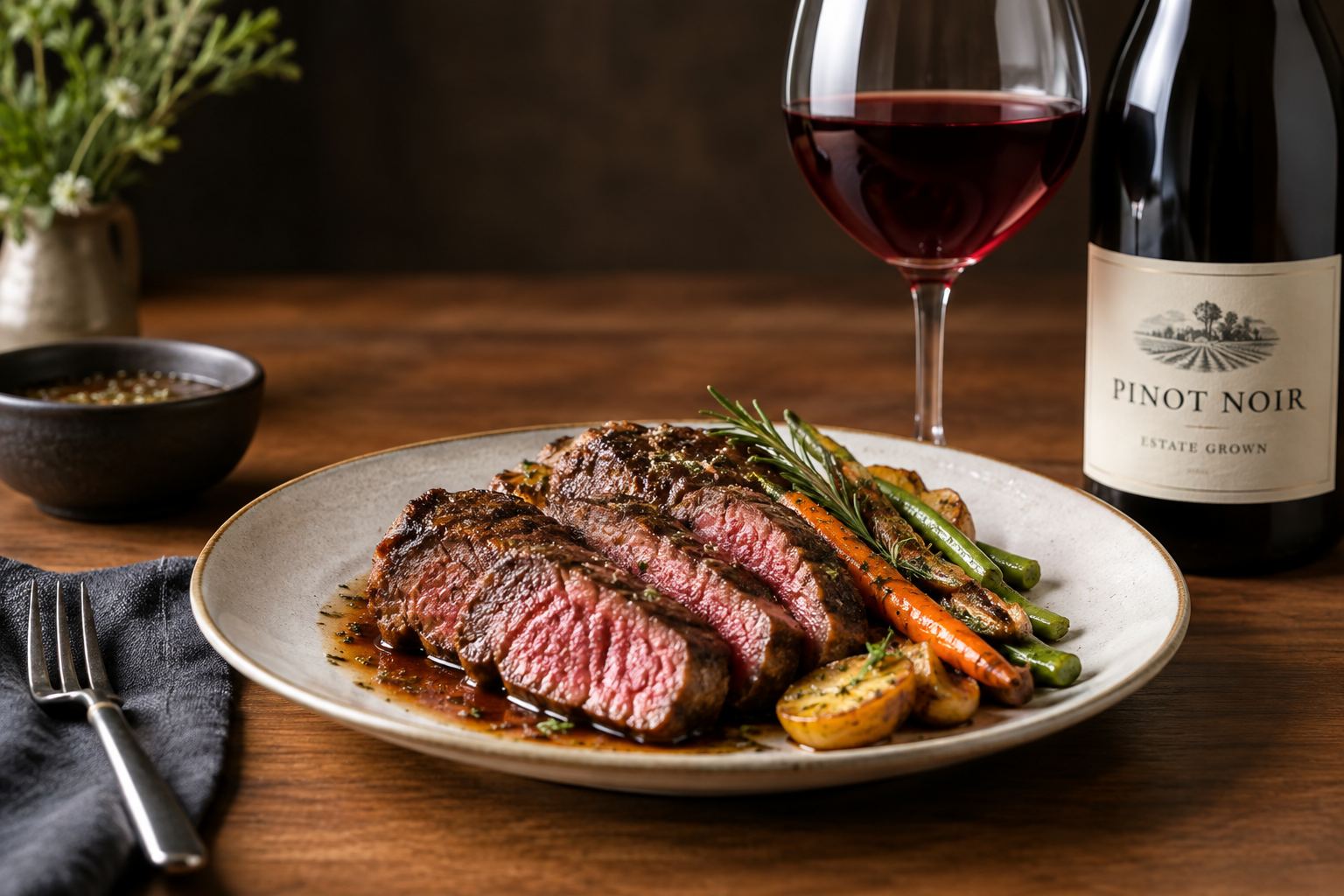
Pinot Noir is particularly good with meats that are flavourful without being excessively heavy. Duck, chicken, turkey are the most classic options. Chicken and veal also work beautifully, especially when served with mushrooms or herbed sauces. Lamb can be a good match too, particularly with a fuller-bodied Pinot Noir. When it comes to wine pairing with steak, however, Pinot Noir is generally better with leaner cuts such as filet mignon rather than a heavily marbled ribeye. Rich, fatty steaks usually need a more powerful wine with greater tannin.
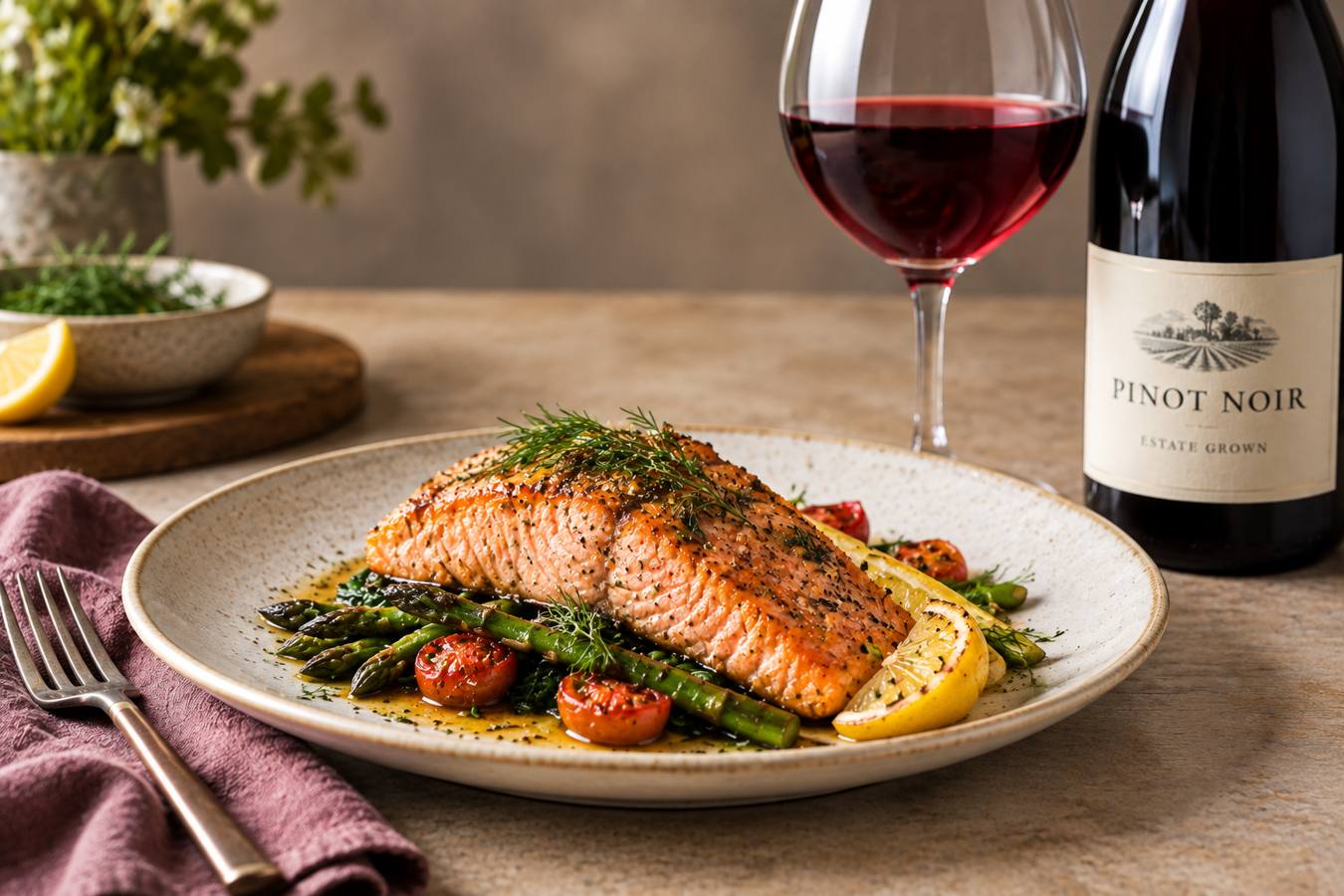
Can red wine work with fish? Absolutely. Pinot Noir is one of the best examples of a red wine that can pair successfully with salmon. Its relatively low tannins mean it is less likely to overpower the fish, while its acidity works beautifully with salmon's naturally rich texture. Try it with grilled, pan-seared or herb-roasted salmon. Mushroom-based sauces can make the combination even more interesting.
For more ideas, see our guide to wine and salmon pairing.
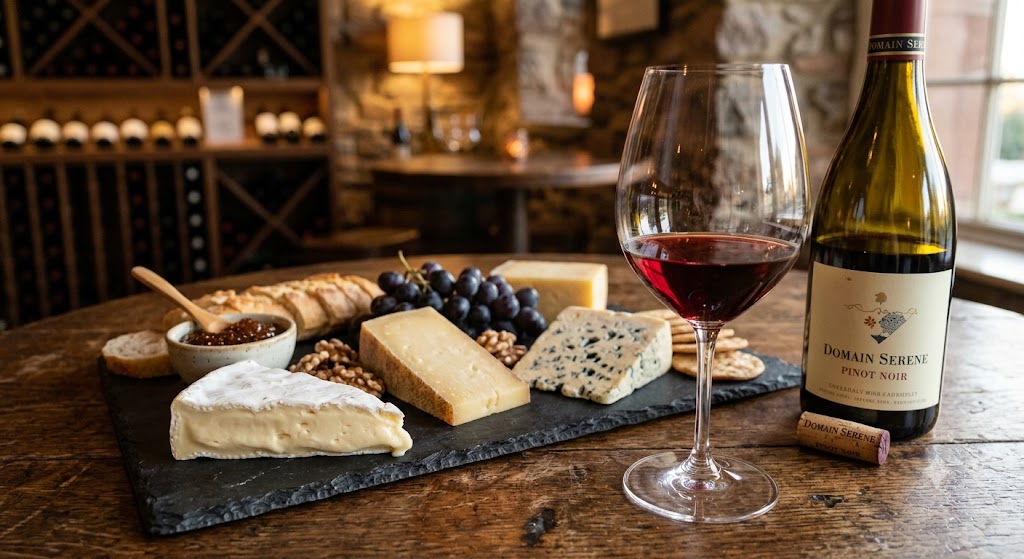
If you're planning a wine and cheese evening, Pinot Noir gives you plenty of options. The best cheeses are generally creamy, nutty or mildly earthy rather than extremely pungent. Some of the best cheeses with Pinot Noir include Brie, Camembert, Gruyère, Comté, mild Gouda and goat cheese. Brie and Camembert work well because their creamy texture is refreshed by the wine's acidity. Gruyère and Comté offer subtle nuttiness and savoury complexity that complement Pinot Noir beautifully.
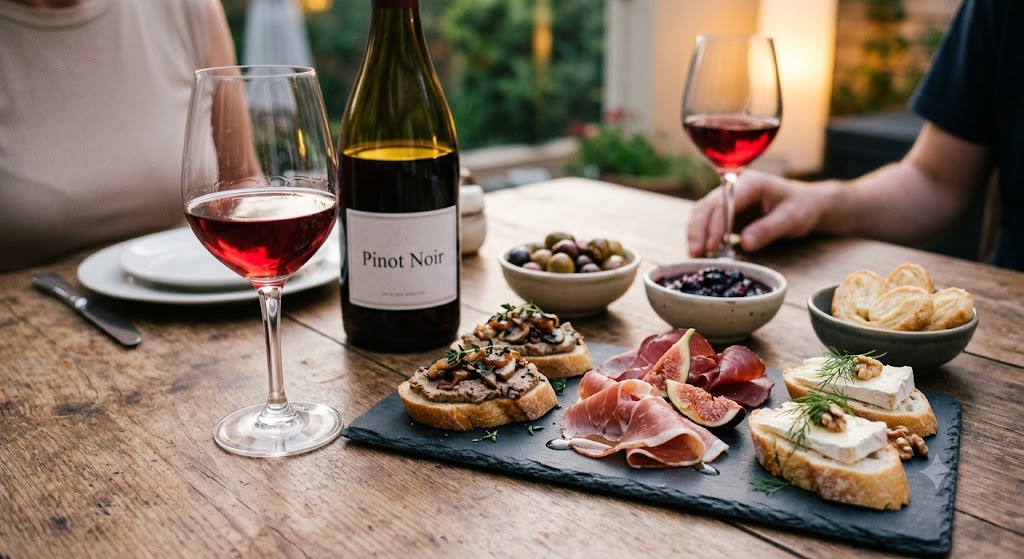
Pinot Noir works just as well with starters as it does with a main course. Easy appetiser options include mushroom crostini, baked Brie, mild charcuterie, fritters, and goat cheese salad. For a party try Pinot Noir with mushroom tarts and mini quiches. For a relaxed evening, simply create a board with mild cheeses, cured meats, fresh berries and nuts. Looking to send a stylish wine gift basket that is also sumptuous? Take a look at our expert-curated Pinot Noir red wine gift baskets that combine the best bottles with gourmet treats.
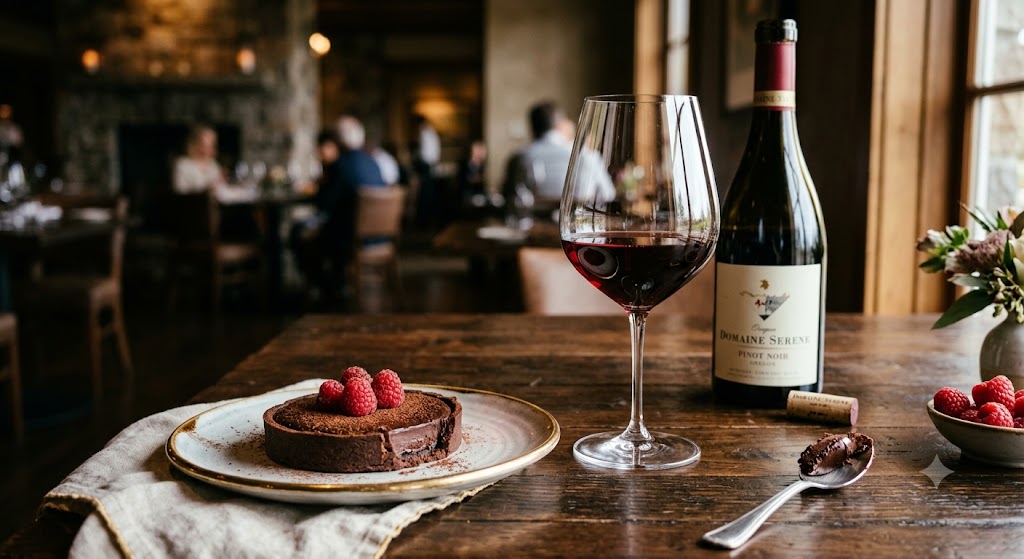
Dessert can be slightly trickier because most Pinot Noir wines are dry. Very sweet desserts can make the wine taste sour or bitter, so choose desserts with moderate sweetness instead. Berry tarts, cherry desserts and lightly sweet berry crumbles can work nicely, especially when their fruit flavours echo those found in the wine. A small piece of dark chocolate may also work with a richer style of Pinot Noir. That said, a cheese course is often a more reliable way to finish a meal with Pinot Noir.
| Food Category | What to Pair with Pinot Noir Wine |
|---|---|
| Poultry & Meat | Roast chicken, duck, turkey, pork tenderloin, herb-crusted lamb |
| Seafood | Grilled or pan-seared salmon, tuna steaks or sandwiches |
| Vegetarian | Mushroom risotto, truffle pasta, mushroom pizza, beetroot and goat cheese salad, vegetable biryani |
| Vegan | Grilled Portobello mushrooms, lentil loaf, roasted beetroot, eggplant dishes, wild mushroom pasta |
| Cheese | Brie, Camembert, Gruyère, Comté, mild Gouda |
| Appetizers | Mushroom crostini, mild charcuterie, baked Brie, vegetable tarts |
| Dessert | Berry tart, cherry crumble, lightly sweet dark chocolate desserts |
Pinot Noir is versatile, but its elegance can easily be overwhelmed. Avoid extremely spicy dishes, heavily charred or smoky meats and intensely fatty preparations. Strong blue cheeses can also dominate the wine's delicate flavours. Very sweet desserts and dishes overloaded with vinegar or pickled flavours can be difficult pairings too.
The simplest rule is this: don't pair a delicate wine with an overwhelmingly powerful dish. Flour intensities of wine and food should always match.
Pinot Noir is one of the most versatile wines at the table. From mushroom risotto and roast chicken to duck, pork, salmon and creamy cheeses, it offers plenty of pairing possibilities. When planning Pinot Noir wine pairing with food, focus on balance. Choose dishes that complement the wine's freshness and subtle complexity rather than overpowering it. That's exactly why Pinot Noir continues to be one of the ultimate wines for food lovers.
Duck with cherry sauce is a classic, but mushrooms, roast chicken, pork and salmon are equally excellent choices.
Duck, chicken, turkey, pork, veal and lighter, non-spicy preparations of lamb pair particularly well with Pinot Noir.
Mushroom crostini, baked Brie, mild charcuterie, mushroom tarts and beetroot with goat cheese are all good options.
Avoid extremely spicy food, heavily charred fatty meats, strong cheeses like blue cheese and very sweet, sugary desserts.
Yes. Top end Pinot Noirs like Burgundy premier and grand crus, best New Zealand Pinot Noirs can age positively and evolve for years in the bottle. This is when you see more earthy, forest floor, and mushroom like notes.

Salmon is one of the most versatile fish when it comes to food and wine pairing. Naturally richer and oilier than many other types of seafood, it has enough flavour and texture to work beautifully with both white and red wines. Whether your salmon is grilled, baked, roasted or smoked, the right wine can elevate the entire meal. So, what is the best wine with salmon? The answer depends largely on how the salmon is cooked. A delicate poached salmon calls for something very different from a smoky grilled fillet or rich salmon served with a creamy sauce. This wine and salmon pairing guide will help you choose the perfect bottle for every style of salmon.
When considering a wine to pair with salmon, it helps to remember that salmon is not really a delicate white fish. Its naturally high oil content gives it a richer texture and fuller flavour. This means it can handle wines with more body and structure
The cooking method and accompanying sauce are equally important. For example:
The key is to match the weight and intensity of the wine with the preparation of the dish.
Traditionally, you must have heard that fish pairs well with white wine, but salmon is one of the exceptions where both red and white wine can work exceptionally well. A white wine with salmon is usually the safest and most versatile choice, particularly wines with good acidity and enough body to complement the fish's richness. Chardonnay, Sauvignon Blanc, Moscato, and Pinot Gris can all be excellent choices. However, if you're wondering whether you can enjoy red wine and salmon, the answer is absolutely yes! A lighter-bodied, low-tannin red such as Pinot Noir can be one of the best wine pairings for grilled or roasted salmon. The secret is avoiding overly powerful wines, like reds with high wine tannins, as that can overwhelm the natural flavours of the fish.
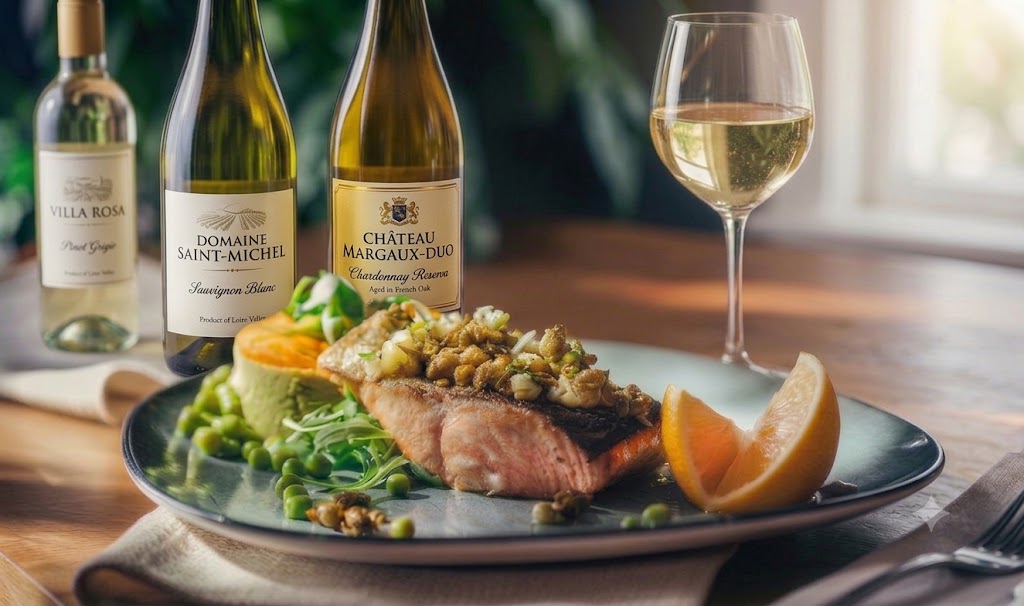
Many whites pair well with salmon but there are some that often feature on salmon and wine pairing lists and for good reason. Our expert lists the following salmon and white wine pairings that should be tried next.
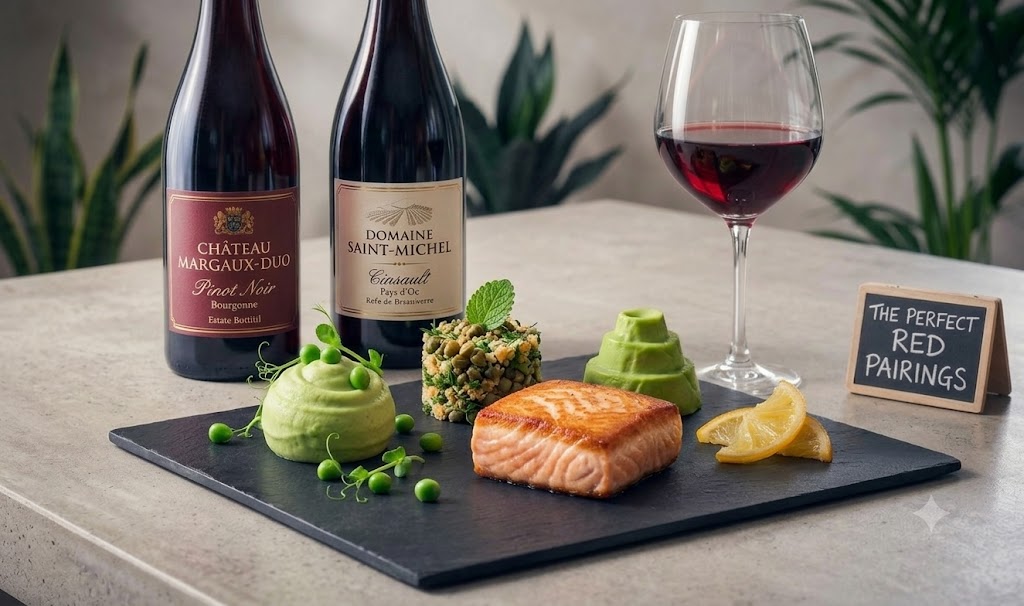
Not every red wine is suitable for salmon. Heavy, tannic wines can make the fish taste metallic or overly fishy. However, lighter reds with soft tannins and bright acidity can create a beautiful pairing.
Without much hesitation, Pinot Noir is generally the better choice. Cabernet Sauvignon is typically fuller-bodied and more tannic, which can overpower salmon. Pinot Noir, on the other hand, is lighter and more elegant, allowing the flavour of the fish to remain the star. However, if it is steak that you’re grilling tonight, Cabernet Sauvignon should be your wine choice along with many other best wines to drink with steak. That said, if salmon is prepared with a rich, intensely flavoured sauce or charred over a grill, a softer, less tannic red may work. But for most salmon dishes, Pinot Noir remains the safer and more harmonious option.
Grilling adds smoky, charred flavours to salmon and gives you more flexibility with wine. Best wines to pair with grilled salmon include:
Smoked salmon has a distinctive salty, smoky character, so freshness and acidity are important. Sparkling wine is one of the classic choices for smoked salmon. The bubbles and acidity help cut through the fish's oily texture while cleansing the palate. Other excellent options include:
A good sparkling wine can be one of the best wines to have with salmon, particularly when serving smoked salmon as part of a brunch or appetizer spread.
Baked and roasted salmon can vary greatly depending on the seasoning and sauce
When choosing a wine to drink with salmon, always consider what is happening on the plate beyond the fish itself.
There is no single answer because salmon can be prepared in so many different ways. However, if you are looking for reliable options, these are some of the best salmon and wine pairings:
| Salmon Preparation | Best Wine Pairing | Why It Works |
|---|---|---|
| Grilled Salmon | Pinot Noir | Light tannins complement the smoky, rich flavors |
| Baked Salmon | Chardonnay | The wine's texture matches the richness of the fish |
| Roasted Salmon | Pinot Noir or Chardonnay | Works well with deeper, more intense flavors |
| Salmon with Lemon & Herbs | Sauvignon Blanc | Crisp acidity complements fresh citrus flavors |
| Salmon with Creamy Sauce | Oaked Chardonnay | Rich texture pairs beautifully with creamy sauces |
| Smoked Salmon | Sparkling Wine | Acidity and bubbles cut through the oily, salty texture |
| Spicy Salmon | Off-dry Riesling | Slight sweetness balances the spice |
| Teriyaki or Glazed Salmon | Pinot Noir | Fruity flavors complement sweet-savory glazes |
| Simply Pan-Seared Salmon | Chardonnay or Pinot Gris | Enough body without overpowering the fish |
Ultimately, the best wine to drink with salmon is one that complements the way the dish has been prepared. Think about the cooking method, seasoning, sauce and accompanying ingredients before choosing your bottle. And if you're experimenting with different styles at home, exploring a good selection from a trusted wine store online can be a great way to discover your own favorite pairing and wine gifting options.
Whether you prefer a crisp white, an elegant Pinot Noir or a celebratory glass of sparkling wine, there is always a good wine to pair with salmon. The key is simple: match intensity with intensity of both wine and the fish, respect the texture of the dish and don't be afraid to move beyond the traditional rule that fish must always be served with white wine.
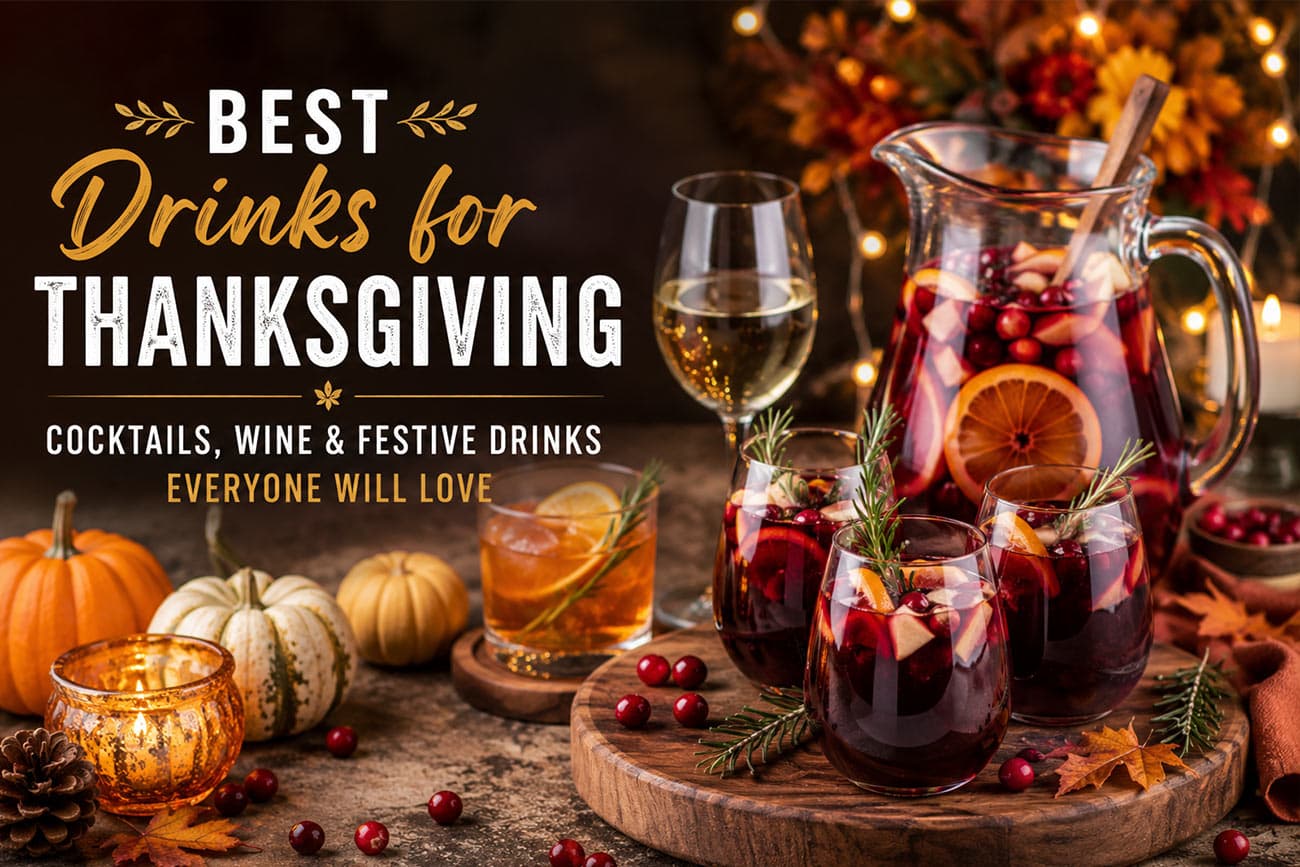
Thanksgiving is all about good food, great company, and having something delicious in your glass. But with turkey, stuffing, cranberry sauce, sweet potatoes, and pumpkin pie all competing for attention, choosing the right drink can feel more complicated than you ever thought. The good news? You don't need a different drink for every dish. The best Thanksgiving drinks are festive, food-friendly, and easy to serve. From sparkling wine and elegant wine cocktails to cozy seasonal mocktails, here are some of the best drinks for Thanksgiving.
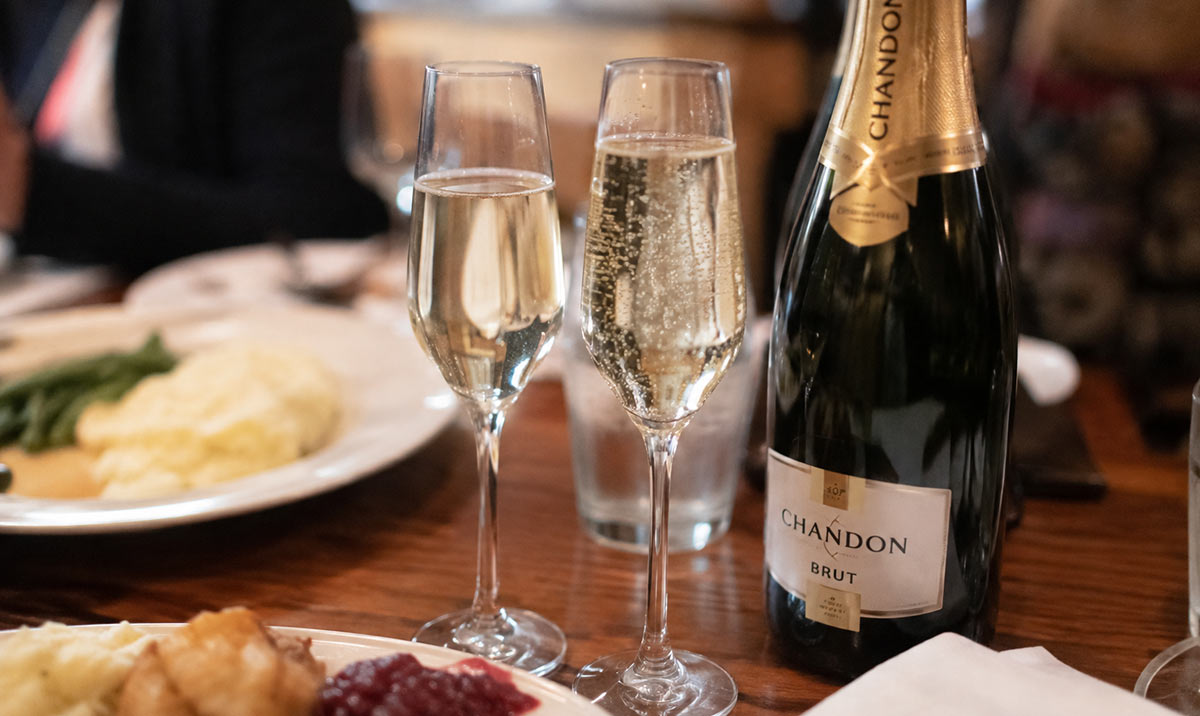
1. Sparkling Wine: The Easiest Thanksgiving Crowd-Pleaser. If you want one drink that works from appetizers through dinner, make it sparkling wine. Champagne, Crémant, Cava, or a good American sparkling wine brings freshness, acidity, and bubbles that work beautifully with rich Thanksgiving dishes. Sparkling wine’s refreshing flavors and bright acidity are especially good with salty appetizers, fried starters, creamy sides, and turkey. Pro tip: Don't save the bubbles only for the toast. Creamy, rich Thanksgiving food loves acidity and freshness.
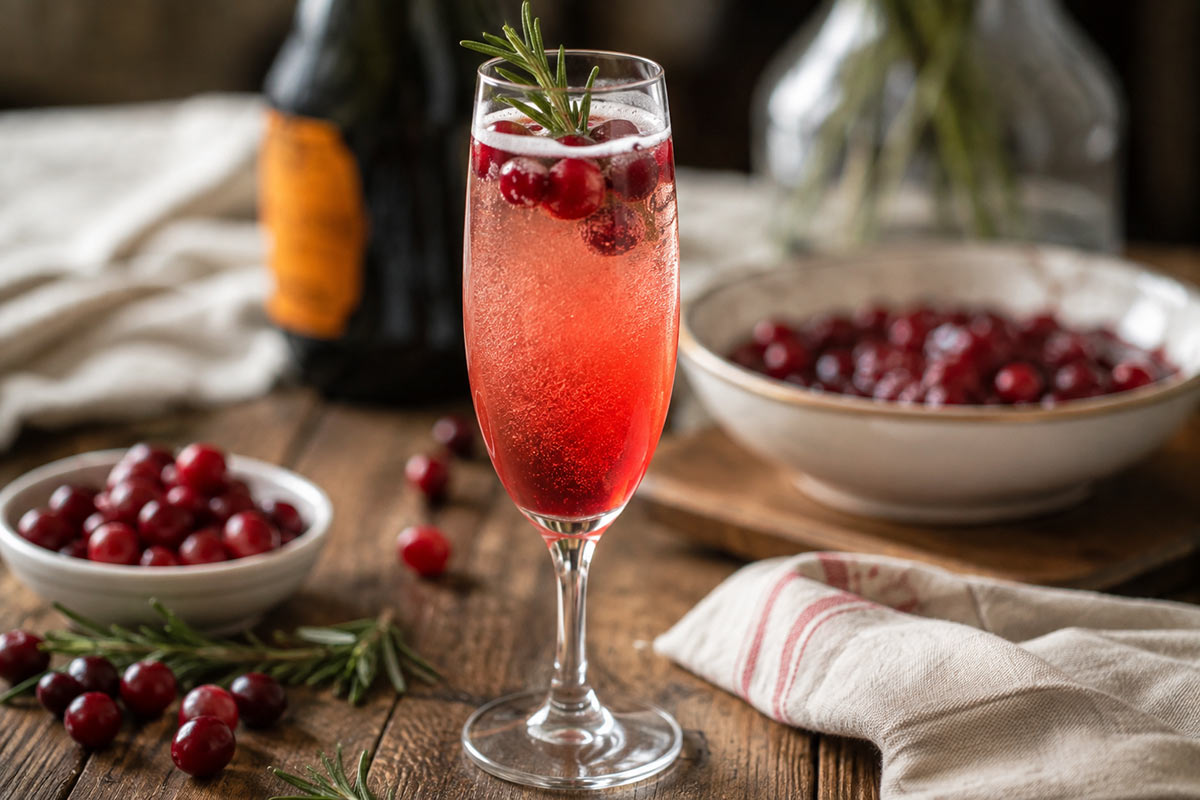
2. Cranberry Champagne Cocktail: Thanksgiving practically demands cranberry. For an easy festive cocktail, add a little cranberry juice to the champagne glass of your choice and top with chilled sparkling wine. Garnish with fresh cranberries and a small sprig of rosemary. It's so colorful and refreshing and looks far more complicated than it actually is. For a sweeter version, add a small splash of orange liqueur.
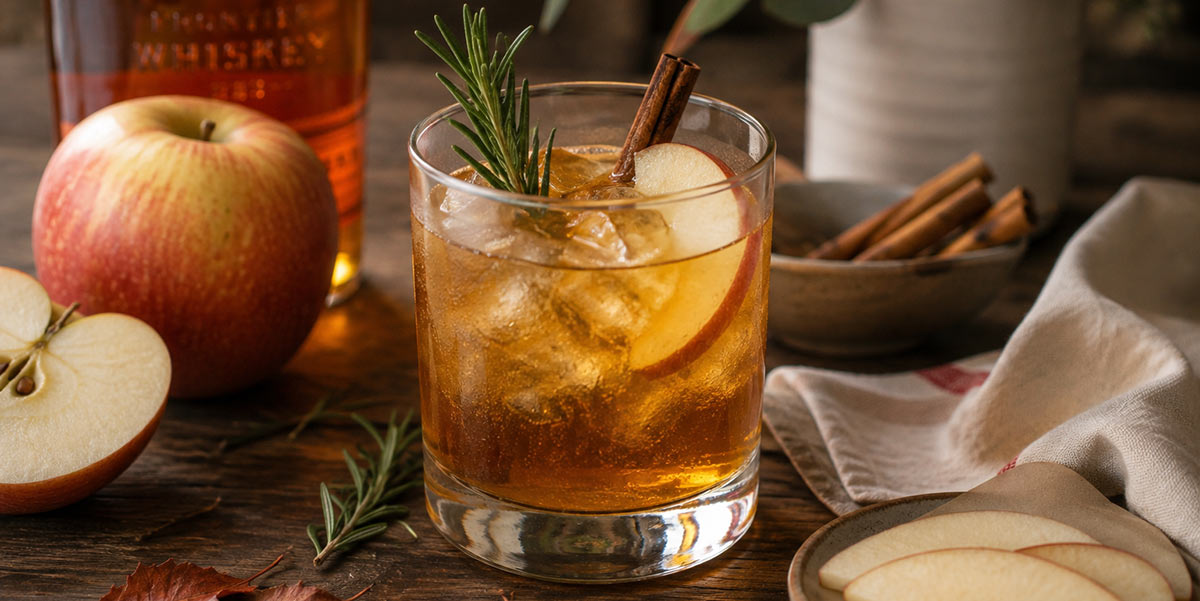
3. Apple Cider Bourbon Cocktail: For a cozy Thanksgiving cocktail, bourbon and apple cider are a natural match. Combine bourbon, fresh apple cider, and a squeeze of lemon over ice. Add cinnamon or a thin apple slice for garnish. The bourbon brings warmth, while the cider adds sweetness and seasonal spice. This is one of the best Thanksgiving cocktails for guests who prefer something more spirit-forward.
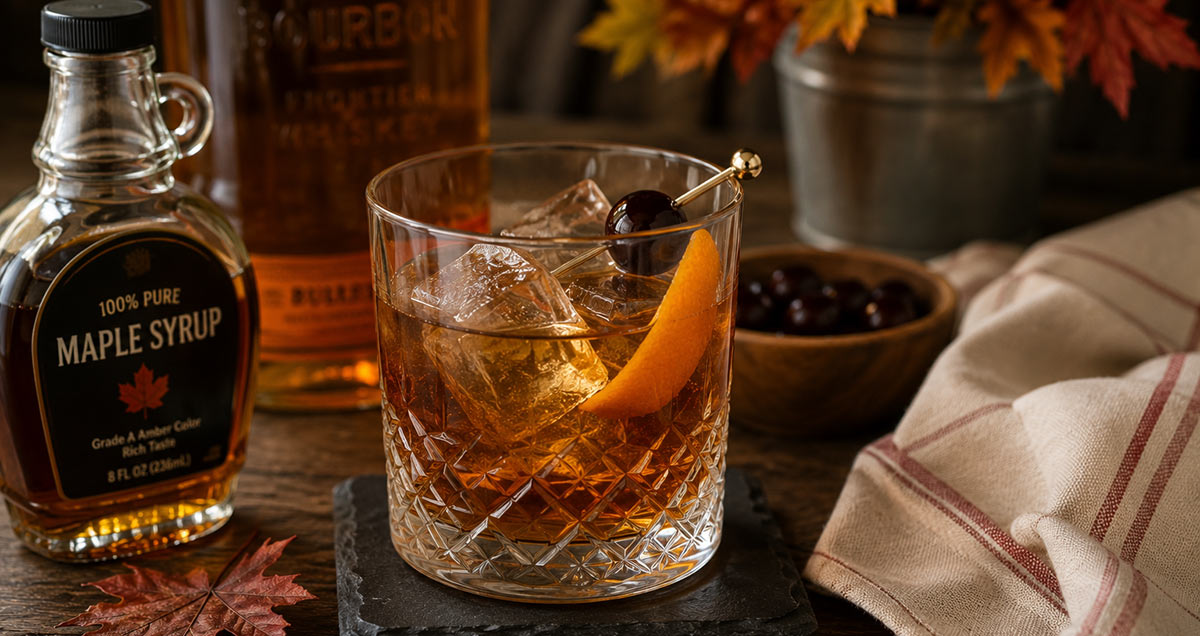
4. Maple Old Fashioned: Give the classic Old Fashioned a Thanksgiving makeover with maple syrup. Combine bourbon or rye whiskey, a small amount of maple syrup, and bitters. Stir with ice and serve over a large cube; it’s smooth, warming, and perfect for sipping while you prepare dinner with and for your loved ones.
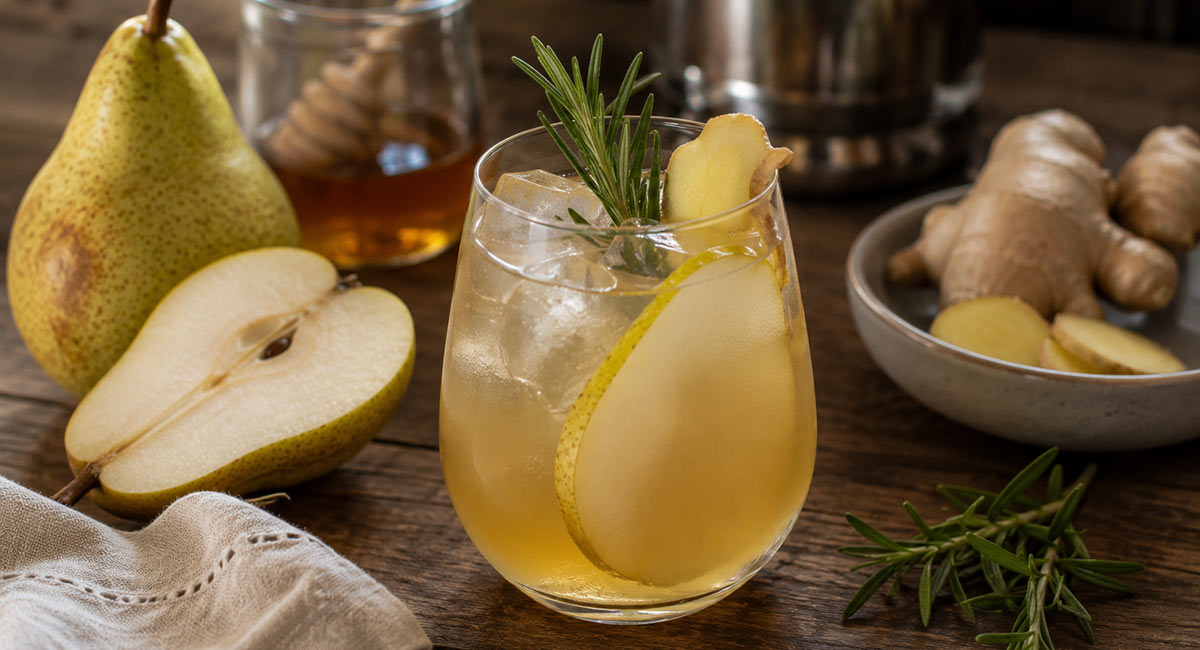
5. Pear & Ginger Cocktail: Want something lighter or a party starter perhaps? Mix pear juice or pear nectar with vodka or gin, fresh lemon juice, and ginger beer. Serve over ice and garnish with a thin pear slice. The combination of fruit, ginger, and acidity makes this one of the fun drinks for Thanksgiving without being overly sweet or calorific.
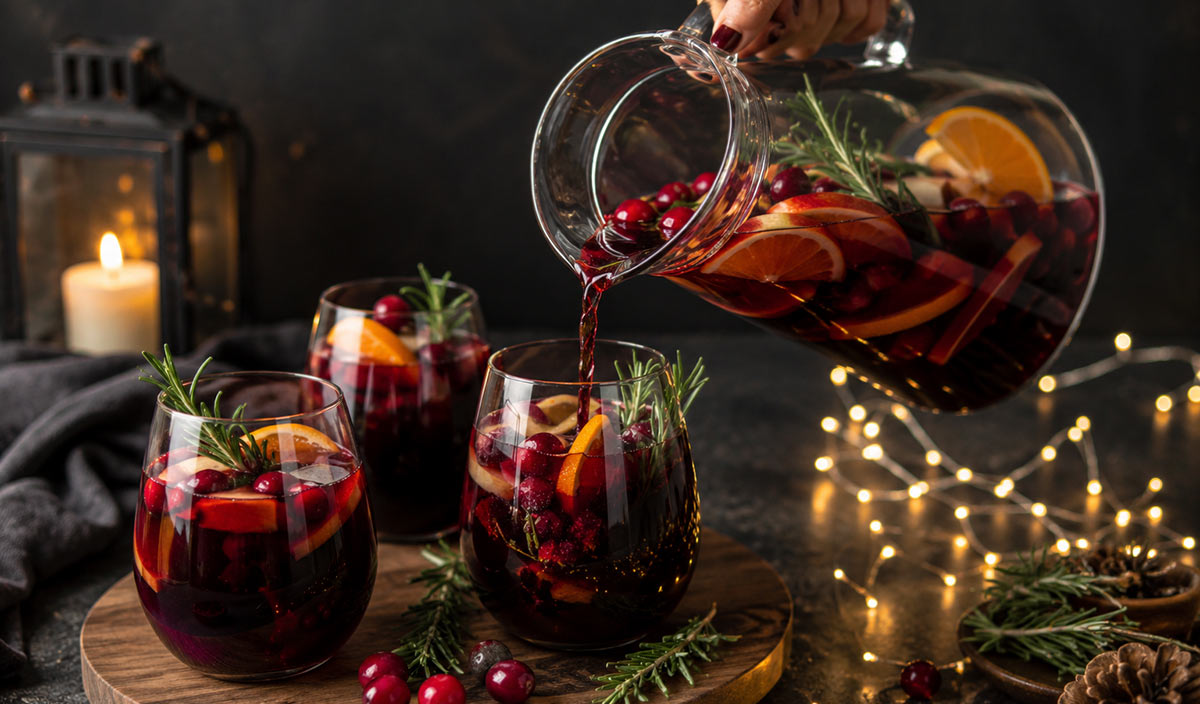
6. Thanksgiving Sangria: For a larger gathering, sangria is one of the best mixed drinks for Thanksgiving because you can prepare it ahead and keep it ready to go out as your family and friends settle in. Try a white wine version with an aromatic Sauvignon Blanc or a fruit-forward Pinot Grigio, apple slices, pears, oranges, and a splash of apple cider. For a Thanksgiving red wine sangria, use a fruity red wine and add oranges, apples, and cranberries. It's easy, colorful, and ideal for guests who want something casual.
Don't forget the guests who aren't drinking. A cranberry-orange spritz is an easy winner. Combine cranberry juice, fresh orange juice, and sparkling water, then garnish with orange peel and rosemary. You can also make a spiced apple cider mocktail with chilled apple cider, ginger beer, and a squeeze of lemon. These are festive enough to feel like a celebration, not an afterthought.
Thanksgiving is one of those meals where wine doesn't have to match one dish perfectly. It needs to work with the entire table. A table wine with its moderate alcohol, fruit-forward flavors, and just enough complexity would be a great match for festive Thanksgiving meals. A bright Pinot Noir is a classic choice because its acidity and moderate tannins complement turkey without overpowering it. Other excellent options include a pretty pink rosé wine, Chardonnay, Riesling, Gamay, Grenache, and sparkling wine. Choose the best Champagne for your Thanksgiving table by exploring this champagne and food pairing guide. If it’s your favorite crowd showing up and your table has cranberry sauce, rich gravy, creamy sides, and plenty of herbs, prioritize acidity and balance over big alcohol or heavy wine tannins.
Turkey is relatively versatile, so you have plenty of choices. Our wine experts' choices for best wines to enjoy with turkey include Pinot Noir, Chardonnay, Riesling, or sparkling wine. For cocktails, choose drinks with acidity and moderate sweetness rather than extremely alcohol-heavy or sugary cocktails. A cranberry-based sparkling cocktail would be a good match too, because the acidity and fruitiness complement both the turkey and traditional sides.
If you're hosting, don't make yourself a bartender all evening. Choose one welcome drink, one wine or sparkling option for dinner, and one non-alcoholic drink. All the cocktails and mocktails you choose should be easy to make with minimal yet delicious ingredients. For example:
Pro tip: keep plenty of water available throughout the evening. This helps guests stay hydrated and slows down drinking, potentially preventing any unwanted memories from the event.
Going to someone else's Thanksgiving dinner? Wine makes a wonderful host gift, but you don't necessarily need to bring the most expensive bottle. A quality sparkling wine, elegant Pinot Noir, or versatile Chardonnay can be a thoughtful choice. Buying a customizable wine gift basket online is one of the most stylish and thoughtful host gifts to carry. For something more special, consider an engraved wine bottle with a handwritten note.
The best Thanksgiving beverages aren't necessarily the most complicated. They're the ones that make people reach for another glass, complement the food, and keep the celebration flowing. So whether you're pouring champagne, shaking a cranberry cocktail, opening a bottle of Pinot Noir, or serving a sparkling mocktail, choose something festive, fresh, and easy to make and enjoy.Because Thanksgiving isn't really about what's in the glass. It's about who's sitting around the table and the memories that are made.
Both! Pinot Noir is one of the best red wines for Thanksgiving because it has enough acidity and relatively light tannins to work with turkey and a wide variety of sides. For white wine, Chardonnay, Riesling, and Sauvignon Blanc are excellent choices. If you want one bottle that is particularly versatile, sparkling wine is hard to beat. Here’s a comprehensive guid to best wine for Thanksgiving.
Absolutely. Champagne is excellent with Thanksgiving because its acidity and bubbles refresh the palate and balance rich, salty, and creamy foods. It also works beautifully as an aperitif before dinner. See our guide to the best Champagne for Thanksgiving for bottles and styles to consider.
A cranberry-orange spritz is one of the easiest options. Mix cranberry juice and fresh orange juice with sparkling water and garnish with rosemary and orange peel. Apple cider with ginger beer is another festive choice.
When in doubt, bring a versatile bottle rather than an extremely bold wine.vPinot Noir, Chardonnay, or sparkling wine are all safe choices. If you know the host's preferences, choose something they'll enjoy rather than focusing only on food pairing and if you're bringing wine as a gift, don't assume the host has to open it that evening; make it clear that it's for them to enjoy whenever they choose.

There is no single best California Chardonnay. It depends on the style you enjoy. If you like crisp, citrus-driven wine, look to the Sonoma Coast, Santa Barbara, or Carneros. If you prefer rich, buttery, oak-aged wine, Napa Valley producers such as Cakebread Cellars and Rombauer are classic choices. For everyday drinking, Wente Morning Fog, Josh Cellars, and Kendall-Jackson Vintner's Reserve deliver reliable quality at a low price.
Just like Cabernet Sauvignon, California and Chardonnay are also a match made in wine heaven. From rich, buttery classics to crisp, mineral-driven expressions, California has mastered every style of this very versatile grape variety. Whether you're buying your first bottle, looking for a weekday favorite, or searching for a cellar-worthy wine, there's a California Chardonnay to suit every taste and budget.
In fact, if someone asks, which is the best California white wine? The honest answer is: it depends on the style you enjoy most. For some wine lovers it's creamy vanilla and toasted oak, while others prefer bright citrus, green apple, and refreshing acidity.
This guide explores the best California Chardonnay wine by region, style, and price, while helping you understand what makes Chardonnay wines from California some of the most sought-after whites in the world.
California is the largest producer of Chardonnay in the United States, and for a good reason. The state's diverse climate coupled with Chardonnay's own versatility allows winemakers to produce an incredible range of styles.
Cool coastal vineyards create elegant, vibrant wines with citrus and green fruit notes alongside fresh acidity, while warmer inland regions produce richer, fuller-bodied Chardonnays with ripe tropical fruit flavors along with a vast set of aromas and flavors from diverse winemaking techniques.
Today, California Chardonnay is enjoyed worldwide because it offers something for everyone, from easy-drinking everyday bottles to some of the world's most collectible white wines.
So, what makes California Chardonnay different from Chardonnay produced elsewhere? The answer lies in three key factors:
California stretches over 800 miles from north to south, creating a remarkable variety of growing conditions.
California winemakers are known for innovation. Depending on the climate and producer, Chardonnay may be:
This flexibility means California Chardonnay can range from lean and mineral to luxurious and buttery in style.
California's long growing season allows grapes to ripen fully while retaining freshness in cooler regions and making riper styles in more temperate parts. This is why California Chardonnay wines express concentrated fruit and excellent balance.
One of the easiest ways to choose a Chardonnay is by the style you enjoy.
Lighter and refreshing styles are perfect for those who enjoy Sauvignon Blanc or Pinot Grigio. If you choose the crisp and refreshing style of Chardonnay, expect flavors of:
Best regions for lighter, brighter styles of California Chardonnay:
If you prefer white wines with subtle oak influence without overwhelming fruit, try the slightly more structured and elegant California Chardonnay wines, which are also perfect for pairing with bolder dishes and flavorful cuisines. Look for notes of:
Rich and buttery Chardonnay wines usually undergo oak aging and malolactic fermentation (the conversion of tart malic acid in grape juice to a softer lactic acid), creating a creamy, luxurious mouthfeel. Wines with these classic California flavors show notes of:
One of the biggest debates among Chardonnay lovers is whether oaked or unoaked styles are better.
| Oaked Chardonnay | Unoaked Chardonnay |
|---|---|
| Rich and creamy | Light and refreshing |
| Vanilla, butter, toast | Citrus, apple, minerality |
| Fuller-bodied | Crisp and vibrant |
| Often aged in oak barrels | Usually fermented in stainless steel |
| Great with rich foods | Excellent with seafood and salads |
California's wine regions each bring a unique personality to Chardonnay.
Napa Valley is known for rich, luxurious, and oak-influenced expressions of Chardonnay. Napa Valley white wines often showcase:
Napa-style Chardonnay is perfect for lovers of classic buttery white wines.
Sonoma County is often considered the sweet spot between richness and freshness. The region is synonymous with:
Sonoma is also one of the best regions for food-friendly Chardonnay wines.
Sonoma Coast produces cool maritime conditions that create wines with vibrant citrus and green fruit notes. Expect aromas of:
Ideal for fans of fresher styles.
Russian River Valley is one of California's most respected Chardonnay regions. Wines have:
Many premium producers source grapes from here.
Carneros is located between Napa and Sonoma. Cool ocean breezes produce:
A favorite for elegant expressions.
Santa Barbara County Chardonnay wines are known for:
This region continues to gain international recognition.
These bottles consistently overdeliver for the price:
These are ideal for casual dinners and everyday enjoyment.
Excellent choices include:
These wines offer greater complexity and regional character.
If you're celebrating a special occasion or building a cellar, look for:
These producers are renowned for crafting some of the best California Chardonnay wines.
One of Chardonnay's greatest strengths is its versatility at the table.
| If You're Eating | Choose This California Chardonnay |
|---|---|
| Oysters or sushi | Unoaked Chardonnay |
| Grilled fish | Cool-climate Chardonnay |
| Roast chicken | Sonoma or Russian River Chardonnay |
| Lobster with butter | Rich, oaked Napa Chardonnay |
| Creamy pasta | Buttery Chardonnay |
| Mushroom risotto | Lightly oaked Chardonnay |
| Roast turkey | Full-bodied Chardonnay |
| Brie or Camembert | Russian River Chardonnay |
| Gruyère or Comté | Aged Chardonnay |
| Spicy Thai curry | Light, unoaked Chardonnay |
California has transformed Chardonnay into one of the world's most diverse and exciting white wines. Whether you prefer a crisp, mineral-driven style from the Sonoma Coast or a rich, buttery Napa Valley Chardonnay, there's a bottle for every occasion, every meal, and every budget.
Rather than asking, "Which is the best California Chardonnay?" choose the one that you enjoy most. Fresh or creamy? Unoaked or barrel-aged? Budget-friendly or cellar-worthy? Once you know your preferred style, choosing the right bottle becomes far easier and much more enjoyable.
So the next time you're browsing a wine shop or restaurant wine list, don't settle for "just a Chardonnay." Explore California's wine regions, compare different winemaking styles, and discover why Chardonnay remains one of the state's greatest success stories.
A balanced, fruit-forward Chardonnay from Sonoma County is an excellent starting point.
Historically, California became famous for its rich, oaked Chardonnay. Today, however, both styles are widely available.
Buttery Chardonnay typically undergoes malolactic fermentation and spends time in oak barrels, resulting in flavors of vanilla, butter, and toast with a creamy texture. Crisp Chardonnay is usually unoaked with citrus and green apple notes.
Reliable quality and value picks include Josh Cellars Chardonnay, Diatom Chardonnay, and Rombauer Chardonnay.
Most everyday California Chardonnays are best enjoyed within 2 to 5 years of the vintage. Premium wines from regions such as Napa Valley, Russian River Valley, and Sonoma Coast can develop beautifully for 8 to 15 years, depending on vintage and storage conditions.

Chardonnay is the more versatile grape, ranging from lean and citrusy to rich, buttery and oak-aged, while Sauvignon Blanc is prized for its high acidity, citrus and herbaceous character, and refreshing style. Choose Chardonnay for creamy, food-friendly richness, and Sauvignon Blanc for crisp, zesty freshness.
Chardonnay and Sauvignon Blanc are two of the world's most popular white wine grapes, but they can produce very different styles of wine. While Chardonnay can range from crisp and mineral-driven to rich, buttery and creamy, Sauvignon Blanc is best known for its high acidity, citrusy flavors and distinctive herbaceous character.
So, which one should you choose? The answer depends on your preferred wine body, acidity, flavour profile, winemaking style and food pairing.
| Characteristic | Chardonnay | Sauvignon Blanc |
|---|---|---|
| Wine body | Light-bodied to full-bodied | Usually light-bodied to medium-bodied |
| Acidity | Medium to high | High |
| Typical flavours | Green apple, pear, citrus, stone fruit, tropical fruit | Lime, grapefruit, gooseberry, passion fruit, green apple |
| Herbal character | Usually subtle | Often pronounced |
| Texture | Can be creamy, round and rich | Usually crisp and refreshing |
| Oak influence | Common in some styles | Less common, but increasingly used |
| Malolactic fermentation | Common, especially in richer styles | Usually avoided |
| Sweetness | Usually dry | Usually dry |
| Tannin | Very low | Very low |
| Classic regions | Burgundy, Chablis, Napa Valley, Sonoma | Loire Valley, Bordeaux, Marlborough, Adelaide Hills |
| Best known for | Versatility and range of styles | Freshness, acidity and aromatic character |
Chardonnay is a versatile white wine grape that can produce everything from elegant, lean wines with mineral notes to rich, full-bodied wines with a buttery, creamy texture.
Its natural flavour profile is quite neutral compared to more aromatic varieties. This makes Chardonnay particularly expressive to the growing environment and winemaking techniques.
In cooler climates, Chardonnay can show flavours of green apple, lemon and lime, with high acidity and mineral notes. Warmer climates can bring riper stone and tropical fruit flavours. One of Chardonnay's greatest strengths is its ability to take on the character of its winemaking and make delicious food and wine pairings.
Warm climate Chardonnay possesses character and depth, both of which make it capable of taking on different winemaking options. Oak aging can introduce flavours and aromas such as vanilla, toast, spice and baking notes. It can also contribute to a richer mouthfeel.
Malolactic fermentation is another technique commonly used on Chardonnay. This process converts sharp, tart malic acid into softer lactic acid, creating a rounder, smoother and sometimes distinctly buttery or creamy texture.
Classic, textured, and more tropical examples can be found in Burgundy, while Chablis is famous for a more restrained, high-acid and mineral-driven expression of Chardonnay.
Outside France, California Chardonnay wines are known to range in styles, from fresh and unoaked to rich, oak-influenced wines.
Sauvignon Blanc is a white grape, generally recognized for its high acidity, freshness, floral, and herbal aromas. It typically produces light-bodied to medium-bodied wines with flavours ranging from citrus and green fruit to tropical and distinctly herbaceous notes.
Depending on climate and ripeness level of grapes, you may find aromas and flavours of:
Sauvignon Blanc's signature herbaceous character is particularly noticeable in cooler climates. Some of the best Sauvignon Blanc wines are from:
While most Sauvignon Blanc is made in stainless steel to preserve its fresh, zesty character, some producers age it in oak barrels for extra texture and complexity. This style is often labelled Fumé Blanc, a name popularised in California, though oak-aged versions also appear in white Bordeaux and select Sancerre bottlings.
Oak-aged Sauvignon Blanc trades a little of its signature crispness for a rounder mouthfeel and subtle notes of vanilla, toast or smoke, while still keeping its core citrus and herbal identity. It is a good pick for someone who loves Sauvignon Blanc's freshness but also enjoys the texture Chardonnay drinkers appreciate.
The easiest way to distinguish the two and choose the best wines from Sauvignon Blanc and Chardonnay, is to think about texture versus freshness. Chardonnay can be relatively neutral and its character is strongly influenced by climate, grape growing, and winemaking. It may taste lean and citrusy or rich, creamy and buttery. Sauvignon Blanc is generally more aromatic. Its combination of high acidity and distinctive fruit and herbaceous aromas gives it a particularly fresh and energetic personality.
| Characteristic | Chardonnay | Sauvignon Blanc |
|---|---|---|
| Wine body | Light-bodied to full-bodied, depending on style | Usually light-bodied to medium-bodied |
| Acidity | Medium to high | High |
| Typical flavour profile | Green apple, lemon, pear, stone fruit, tropical fruit | Lime, grapefruit, gooseberry, green apple, passion fruit |
| Aromatic character | Relatively neutral; strongly influenced by climate and winemaking | Highly aromatic and expressive |
| Herbaceous character | Generally subtle | Often pronounced; grassy, herbal, bell pepper notes |
| Texture / mouthfeel | Can be crisp, round, rich, buttery and creamy | Usually crisp, lean and refreshing |
| Oak aging | Common, especially in fuller-bodied styles | Less common; some premium styles may use oak |
| Sweetness | Usually dry | Usually dry |
| Mineral character | Can show pronounced mineral notes, especially in cool-climate styles | Can show mineral notes, particularly in Loire Valley styles |
| Classic French regions | Burgundy, Chablis | Loire Valley, Sancerre, Bordeaux |
| Other important regions | Napa Valley, Sonoma, Casablanca Valley, Yarra Valley | Marlborough, Adelaide Hills, Casablanca Valley |
| Best food pairings | Roast chicken, grilled fish, lobster, crab, creamy pasta, soft cheeses | Goat cheese, oysters, sushi, seafood, salads, grilled vegetables, herb-driven dishes |
| Serving temperature | Around 9 to 13°C, depending on style | Around 8 to 10°C |
| Wine glass | Medium to larger white wine glass, especially for richer styles | Slightly narrower white wine glass to concentrate aromas |
Both grapes have French roots, though from different regions. Chardonnay originated in Burgundy, in eastern France, and is a genetic cross of Pinot Noir and the now-obscure Gouais Blanc. Sauvignon Blanc's homeland is generally traced to the Loire Valley and Bordeaux in western France, and it shares a genetic link with Cabernet Sauvignon, which is itself a natural cross of Sauvignon Blanc and Cabernet Franc.
This shared heritage explains why Sauvignon Blanc sometimes shows a faint green, herbal streak similar to Cabernet Franc, while Chardonnay's neutral flavour base is part of what makes it so adaptable to different soils, climates and cellar techniques around the world.
Alcohol levels in both wines typically fall in a similar range, usually around 12.5% to 14.5% ABV, though warmer-climate examples of either grape can run higher. Chardonnay grown in warm regions, such as parts of California or Australia, can occasionally reach 14.5% or more, while cooler-climate Sauvignon Blanc, like classic Sancerre, tends to sit toward the lower end of that range.
Aging potential is where the two diverge more clearly. Age-worthy, oak-influenced Chardonnay from top producers in Burgundy or California can develop beautifully for five to ten years or longer, gaining nutty, honeyed and toasty complexity. Sauvignon Blanc is generally made for early drinking, with most bottles best enjoyed within one to three years of release to preserve their vibrant fruit and herbal lift. A handful of structured, barrel-aged styles from Bordeaux or Sancerre are the exception, and can reward a few extra years in the cellar.
Both wines are best stored in a cool, dark place before opening, ideally around 12 to 14°C. Once you have opened the bottle, an airtight recork and refrigeration will keep either wine tasting fresh for a limited window.
Chardonnay generally holds up for three to five days in the fridge after opening, with richer, oaked styles sometimes lasting a touch longer thanks to their fuller structure. Sauvignon Blanc is more delicate and is best finished within three to four days, since its bright acidity and aromatics fade faster once exposed to air.
A vacuum wine stopper or inert gas spray can extend either wine's freshness by a day or two. And if you are ever wondering whether the freezer is a shortcut for rapid chilling, it is worth understanding how long it takes wine to freeze before you try it, since freezing affects the wine's texture and can even crack the bottle.
Still not sure which bottle to reach for? Use this quick guide based on the occasion:
Sauvignon Blanc wine gift could be the perfect summer wine present, or great anytime of the year when you want to choose a food friendly and an elegant wine gift.
Chardonnay wine gifts are a no-fail, classic choice. The grape's changing personality offers wine styles that have something to appeal to all palates alike.
Chardonnay and Sauvignon Blanc may both be popular white wine grapes, but they offer very different experiences.
Chardonnay is the shape-shifter. It can be lean, mineral and citrusy or rich, buttery and full-bodied depending on its climate, terroir (growing environment) and winemaking.
Sauvignon Blanc is the freshness champion. Vibrant acidity, expressive aromas and a distinctive citrusy, herbaceous personality are its calling cards.
If you're new to wine, tasting the two side by side is one of the easiest ways to understand how grape variety, climate, terroir and winemaking influence the wine in your glass. And ultimately, there is no "better" grape. If you like crisp and zesty, reach for Sauvignon Blanc. If you like creamy and complex, reach for Chardonnay.
Neither grape is naturally sweet. The vast majority of Chardonnay and Sauvignon Blanc wines are made in a dry style. Any perceived sweetness in Chardonnay usually comes from ripe fruit character or oak-derived vanilla notes rather than residual sugar, while Sauvignon Blanc's ripe tropical fruit can also read as sweetness even though the wine is technically dry.
Both typically range from around 12.5% to 14.5% ABV. Warm-climate Chardonnay tends to sit at the higher end of that range because riper grapes produce more alcohol, while cooler-climate Sauvignon Blanc, such as classic Sancerre or Marlborough styles, is often a touch lighter.
Sauvignon Blanc is often an easier entry point because its bright, fruity and herbal character is immediate and easy to identify. Chardonnay is a great next step once you want to explore how climate, oak and winemaking can completely change a wine's personality.
They are not commonly blended with each other, since their flavour profiles work better as contrasts than as a blend. Sauvignon Blanc is more frequently blended with Semillon, especially in Bordeaux, while Chardonnay is usually bottled as a single varietal wine or used as a base for sparkling wine.
Age-worthy, often oak-aged Chardonnay from top regions can develop for five to ten years or more, gaining nutty and honeyed complexity. Sauvignon Blanc is generally made to be enjoyed young, within one to three years of release, so its fresh acidity and aromatics stay at their best.
Chardonnay is a cross of Pinot Noir and Gouais Blanc, while Sauvignon Blanc is a parent grape of Cabernet Sauvignon. They are not directly related to each other, which is part of why they taste so different in the glass.
Chardonnay pairs well with roast chicken, grilled fish, lobster, crab, creamy pasta and soft cheeses, especially in its richer, oaked styles. Sauvignon Blanc is a natural match for goat cheese, oysters, sushi, seafood, salads and herb-driven dishes, thanks to its high acidity and herbaceous notes.
No. Chardonnay is made in both oaked and unoaked styles. Unoaked Chardonnay, such as many wines from Chablis, tends to be leaner, crisper and more mineral-driven, while oaked styles bring vanilla, toast and a rounder, creamier texture.
Chardonnay is generally considered the most widely planted and consumed white wine grape in the world, thanks to its adaptability to many climates and winemaking styles. Sauvignon Blanc is close behind and has a devoted following, particularly for its zesty, aromatic character.
Chardonnay is best served around 9 to 13°C, with richer, oaked styles served slightly warmer to show off their texture. Sauvignon Blanc is best served a little cooler, around 8 to 10°C, to keep its acidity crisp and its aromatics fresh.