Brands & Regions
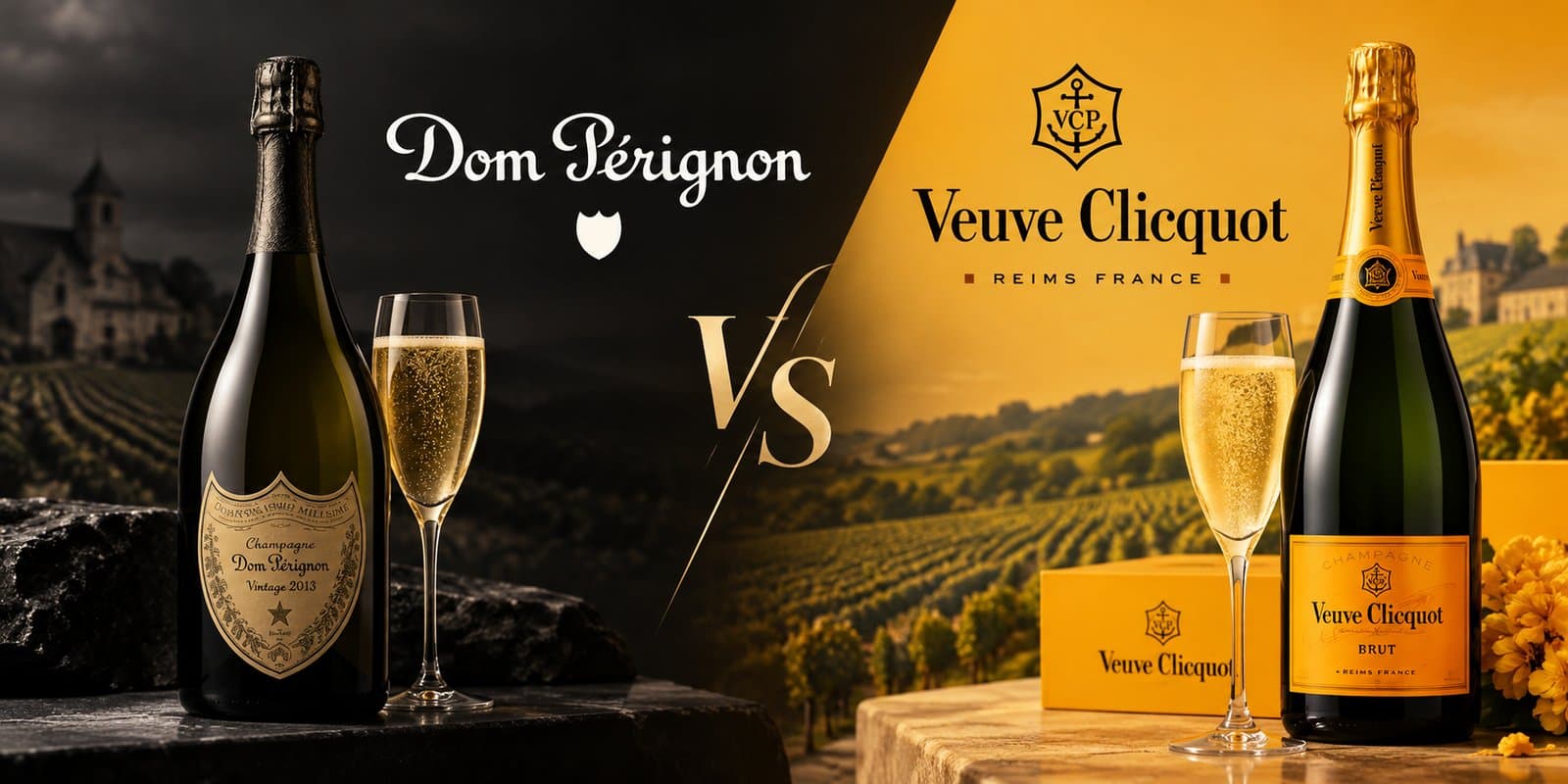
Dom Pérignon vs Veuve Clicquot: Which Champagne Is Better?
Standing in front of the champagne shelf, looking at a bottle of Veuve Clicquot for around $70 and a Dom Pérignon for $250 or more? You're not the first person to wonder whether the pricier one is really that much better.
These are two of the most famous names in champagne, and funnily enough, both belong to the same luxury group, LVMH. But they're built for very different moments and very different budgets. In this guide to Dom Pérignon vs Veuve Clicquot, we compare taste, price and production, put their bottles head-to-head, and help you pick by occasion, budget and taste. We'll also tell you honestly when Dom Pérignon is worth it, and when it isn't.
Short answer: Veuve Clicquot is the crowd-pleaser you can pop at almost any celebration, from weddings to a Friday night. Dom Pérignon is a rarer, more refined vintage champagne for milestones, luxury gifts and collecting, and it usually costs about three to four times as much. Both are excellent. The right pick depends on the moment.
Table of Contents
- Quick Comparison: Dom Pérignon vs Veuve Clicquot
- Champagne Basics: Vintage, Non-Vintage and Prestige Cuvée
- The History Behind Each House
- How They're Made: The Differences That Matter
- Dom Pérignon vs Veuve Clicquot Taste
- Bottle by Bottle: Dom Pérignon vs Veuve Clicquot Head-to-Head
- Dom Pérignon vs Veuve Clicquot Price
- Is Dom Pérignon Worth the Extra Money?
- Which One Should You Choose?
- Dom Pérignon or Veuve Clicquot: Which Makes the Better Gift?
- Dom Pérignon vs Veuve Clicquot vs Moët
- How to Serve and Store Them
- Final Verdict: Is Dom Pérignon Better Than Veuve Clicquot?
- Frequently Asked Questions
- Conclusion: Pick the Bottle That Fits the Moment
Quick Comparison: Dom Pérignon vs Veuve Clicquot
| Feature | Dom Pérignon | Veuve Clicquot |
|---|---|---|
| What it is | Prestige champagne brand, first released by Moët & Chandon in 1936 | Full champagne house, founded in Reims in 1772 |
| Range | Vintage only: Vintage, Rosé, Plénitude 2 | Yellow Label Brut, Rosé, Rich, Vintage, La Grande Dame |
| Production | Made only in exceptional years, from a single harvest | Mostly non-vintage blends for a consistent style, plus vintage cuvées |
| Grapes | Chardonnay and Pinot Noir only | Pinot Noir-led, with Chardonnay and Meunier |
| Aging before release | Roughly 8–10 years | At least 3 years for non-vintage |
| House style | Precise, creamy, mineral, layered | Rich, fruity, toasty, full-bodied |
| Typical price (750ml) | ~$250 to $500+ | ~$60 to $200+ |
| Best for | Milestones, luxury gifts, collecting | Weddings, parties, everyday and corporate gifting |
| Owned by | LVMH | LVMH |
Champagne Basics: Vintage, Non-Vintage and Prestige Cuvée
A few label words make this whole comparison much easier to follow.
- Non-vintage (NV): blended from several harvests so it tastes the same every year. Veuve Clicquot Yellow Label is the classic example.
- Vintage: made from a single year's harvest, only when that year is good enough.
- Prestige cuvée: a house's top bottle, made from its best grapes and aged much longer. Dom Pérignon is both vintage-only and a prestige cuvée. Veuve Clicquot's equivalent is La Grande Dame.
- Brut: the sweetness level. It means dry, and it's what most people drink, including both brands' core bottles. (What is Brut champagne?)
So the real difference at the heart of Dom Pérignon vs Veuve Clicquot is vintage vs non-vintage: one brand bets everything on great years, the other on consistency. Our vintage vs non-vintage champagne guide goes deeper.
The History Behind Each House
Dom Pérignon: The Monk and the Myth
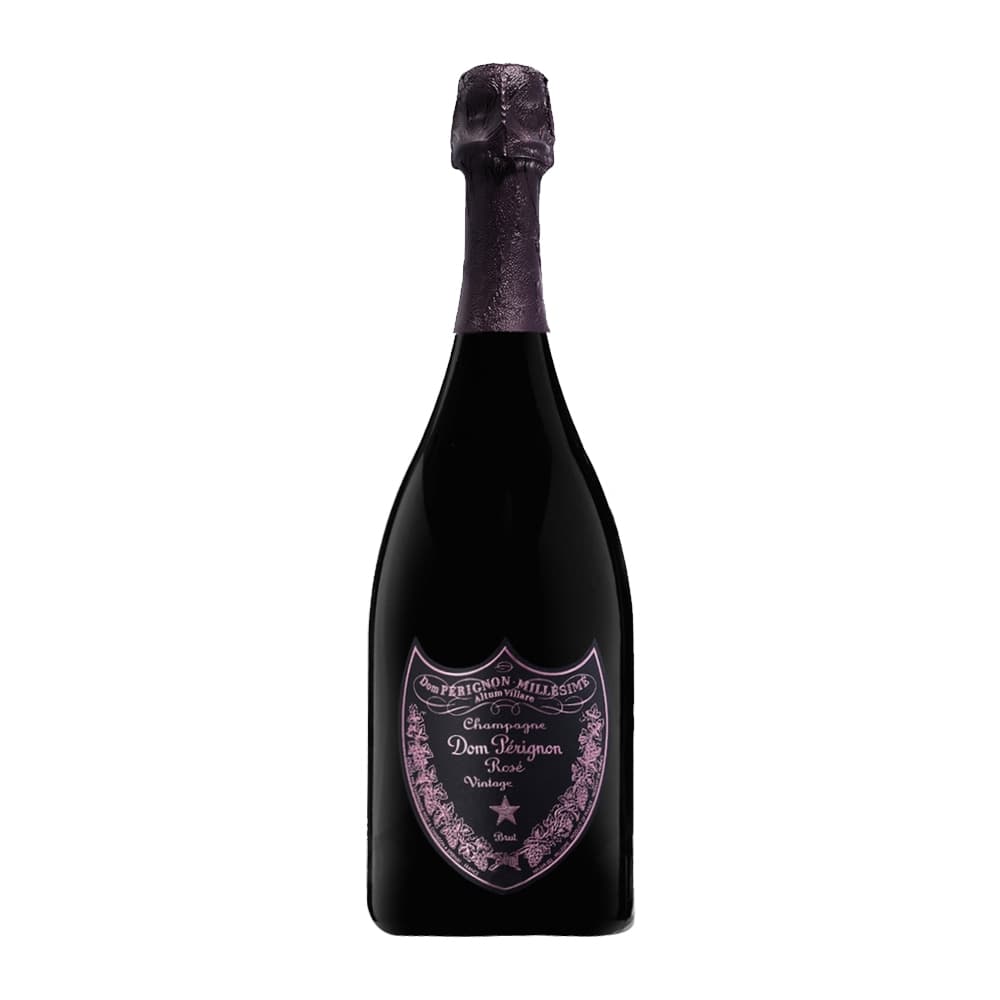
Dom Pérignon (say it dom peh-ree-NYON) is named after Dom Pierre Pérignon, a Benedictine monk and cellar master at the Abbey of Hautvillers in the late 1600s. There's a popular myth that he "invented" champagne. He didn't. Sparkling wine already existed. What he did was improve winemaking itself, especially the art of blending grapes from different vineyards, which raised quality across the whole Champagne region.
The champagne carrying his name came more than two centuries later. Moët & Chandon released the first Dom Pérignon, from the 1921 vintage, in 1936. It has been the name people picture when they think of luxury champagne ever since.



Veuve Clicquot: The Widow Who Changed Champagne
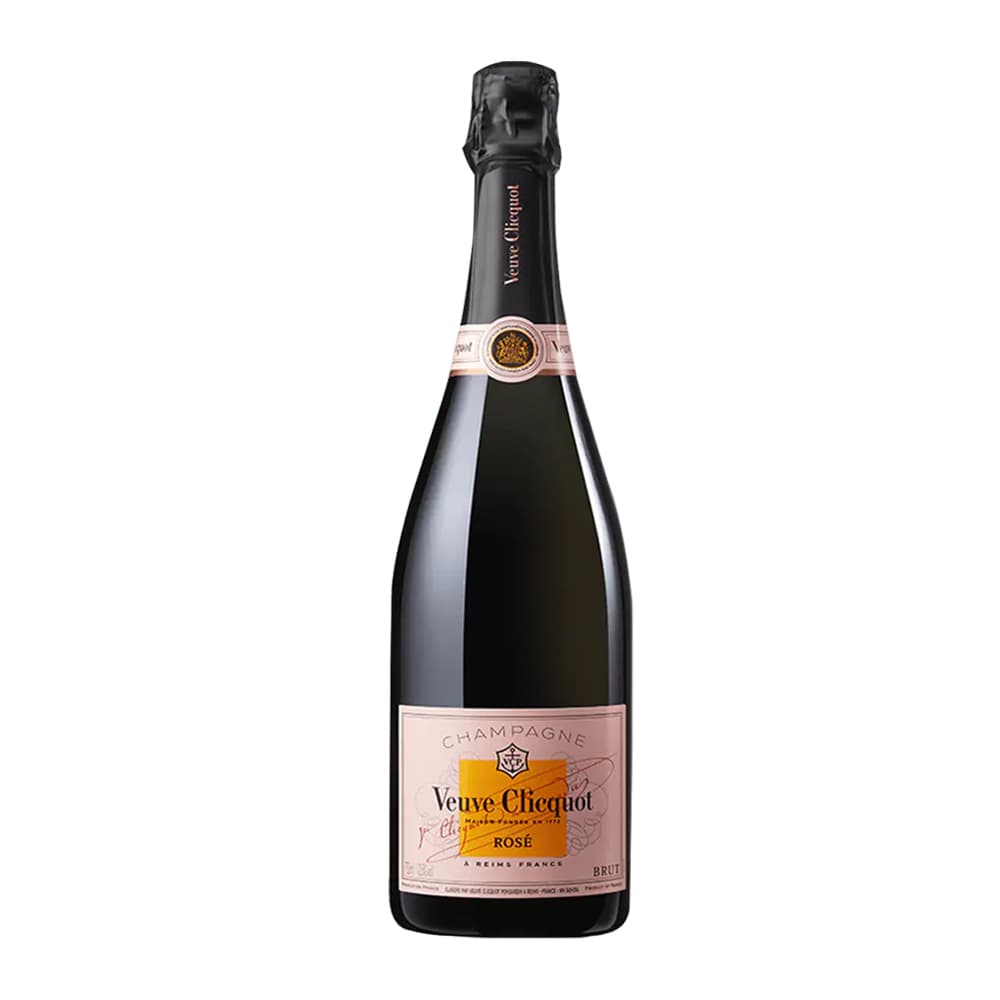
Veuve Clicquot (say it vuhv klee-KOH) was founded in Reims in 1772. Its legend is Barbe-Nicole Clicquot-Ponsardin, who was widowed at just 27 in 1805. "Veuve" means "widow" in French. At a time when women rarely ran businesses, she took charge and built one of the greatest houses in Champagne.
Did you know? Madame Clicquot invented the riddling table in 1816, which made champagne crystal-clear for the first time, and created the first known blended rosé champagne in 1818. Both techniques are still used across the industry today, including at Dom Pérignon.
The house registered its now-iconic Yellow Label in 1877, and it's still one of the most recognizable sights on any champagne shelf.


How They're Made: The Differences That Matter
Both are made in the Champagne region of France using the traditional method (méthode champenoise), where the second fermentation happens inside the bottle. The differences are in the grapes, the years and the time.
Grape Blend: What Makes Their Styles Different
Champagne is mostly made from three grapes, and each does a different job:
- Chardonnay: freshness, elegance and citrus
- Pinot Noir: body, structure and red-fruit power
- Meunier: soft, juicy fruitiness
Dom Pérignon uses only Chardonnay and Pinot Noir, in close balance, with the blend shifting each vintage. That gives it both finesse and depth. Veuve Clicquot is Pinot Noir-dominant, with Chardonnay and Meunier. Its Yellow Label draws on 50–60 different vineyard sites and up to 45% older reserve wines, which is how it tastes so consistent from bottle to bottle. More in our champagne grape varieties guide.
The Veuve Clicquot Riddling Process
Riddling (remuage) is how champagne gets clear. After the second fermentation, dead yeast (lees) forms sediment in the bottle. The bottles are tilted neck-down and slowly turned over several weeks until the sediment collects in the neck. The neck is then frozen and the plug of sediment shoots out when the cap is removed (disgorgement).
Madame Clicquot pioneered this method, and today both houses, Dom Pérignon included, rely on it.
The Dom Pérignon Aging Process
Time is the biggest difference between these two. Dom Pérignon releases each vintage at peaks it calls "plénitudes":
- Vintage (P1): released after roughly 8–10 years. This is the bottle most people buy.
- Plénitude 2 (P2): the same vintage aged around 12–15+ years. Deeper, richer and more intense.
- Plénitude 3 (P3): aged for decades. Extremely rare collector bottles.
Veuve Clicquot's non-vintage champagnes age for at least 3 years before release, which is generous for the category, while its vintage wines and La Grande Dame age longer. Even so, Veuve's style is built to be enjoyed on release, not cellared for decades.
Dom Pérignon vs Veuve Clicquot Taste
Taste is where these two start to feel like different drinks, not just different price tags.
What Does Dom Pérignon Taste Like?
Creamy, precise and layered. On the nose you'll find citrus, white flowers and a smoky, flinty edge that's a Dom Pérignon signature, with toasted brioche and roasted almond behind it. On the palate, crisp acidity and minerality come first, then honey and nuts as it opens up. The bubbles are fine and creamy rather than sharp, and the finish lingers and keeps changing as you sip.
What Does Veuve Clicquot Taste Like?
Bold, fruity and generous. Expect ripe apple, pear and citrus with toast and biscuit, and a hint of vanilla. Thanks to its Pinot Noir, it feels fuller and rounder in the mouth, with lively bubbles and a bright, satisfying finish. It's made to taste great the moment it's poured, and it has enough body to stand up to food.
Can a Beginner Taste the Difference?
Often, yes, but it's subtle. Most people notice that Dom Pérignon feels smoother and more refined, while Veuve Clicquot is louder and fruitier. At a noisy party with a hundred guests, you probably won't notice much. The difference shows up when you sip slowly, with good glasses and good company. If you're new to champagne, our guide to what champagne tastes like is a great starting point.
Food Pairing
- Dom Pérignon: oysters, caviar, lobster, scallops and other delicate seafood, where its minerality shines.
- Veuve Clicquot: sushi, roast chicken, Brie, mushroom dishes, fried appetizers and charcuterie. Its fuller body handles bolder flavors.
See our champagne and food pairing guide for more.
Bottle by Bottle: Dom Pérignon vs Veuve Clicquot Head-to-Head
Brand comparisons only go so far. Here's how their actual bottles stack up.
Dom Pérignon Brut vs Veuve Clicquot Yellow Label Brut
These are the two bottles most people are really choosing between. It isn't a like-for-like fight, since one is a vintage prestige cuvée and the other a non-vintage house Brut, but it's the comparison shoppers make most.
| Difference based on | Dom Pérignon Brut (Vintage) | Veuve Clicquot Yellow Label Brut |
|---|---|---|
| Type | Vintage prestige cuvée | Non-vintage house Brut |
| Style | Precise, mineral, elegant | Rich and structured |
| Main impression | Finesse and complexity | Power and generosity |
| Fruit profile | Citrus, white peach | Ripe apple, pear, yellow fruit |
| Secondary notes | Brioche, roasted almond, smoky hints | Toast, biscuit, vanilla |
| Body and bubbles | Light-to-medium, fine creamy mousse | Fuller, lively bubbles |
| Finish | Long, evolving | Bright, fruity |
| Aging before release | Roughly 8–10 years | At least 3 years |
| Typical price | ~$250–$400 | ~$60–$90 |
| Best suited for | Milestones, luxury gifts, collecting | Parties, weddings, everyday gifts |
Verdict: Dom Pérignon Brut is the better wine; Yellow Label is the better buy. Pouring for a crowd? Yellow Label wins easily. Marking one big moment? Dom Pérignon is worth the jump.
Dom Pérignon vs La Grande Dame (Prestige vs Prestige)
For a true like-for-like comparison, put Dom Pérignon against Veuve Clicquot's own prestige cuvée, La Grande Dame. Both are vintage-only, made in strong years and aged far longer than everyday champagne.
| Dom Pérignon Vintage | Veuve Clicquot La Grande Dame | |
|---|---|---|
| Style | Precise, mineral, elegant | Rich, powerful, red-fruited |
| Grapes | Chardonnay and Pinot Noir in balance | Around 90% Pinot Noir |
| Typical price | ~$250–$400 | ~$150–$200+ |
Verdict: a close call that comes down to style. Choose Dom Pérignon for finesse and collector prestige, or La Grande Dame for depth and better value.
Dom Pérignon Rosé vs Veuve Clicquot Rosé
Veuve Clicquot Rosé (~$70–$100) is non-vintage, fruit-forward and soft, with red berry notes, perfect for brunch, showers and summer parties. Dom Pérignon Rosé (~$400–$500) is a vintage rosé with deeper, savory notes of red fruit, spice and cocoa, best for serious food pairings or a showstopper gift.
Dom Pérignon vs Veuve Clicquot Price
| Champagne | Type | Typical price (750ml) |
|---|---|---|
| Veuve Clicquot Yellow Label Brut | Non-vintage | ~$60–$90 |
| Veuve Clicquot Rosé | Non-vintage | ~$70–$100 |
| Veuve Clicquot La Grande Dame | Vintage prestige cuvée | ~$150–$200+ |
| Dom Pérignon Vintage | Vintage | ~$250–$400 |
| Dom Pérignon Rosé | Vintage | ~$400–$500 |
| Dom Pérignon Plénitude 2 (P2) | Late-release vintage | ~$500 to well over $1,000 |
Typical US retail prices. Prices change often and vary by vintage, retailer and state.
So, is Dom Pérignon more expensive than Veuve Clicquot? Yes, by a lot. Dom Pérignon's entry bottle costs roughly three to four times Veuve Clicquot's most popular champagne, and even Veuve's top cuvée, La Grande Dame, is usually cheaper than a standard Dom Pérignon.
Why Is Dom Pérignon So Much More Expensive?
- Time: nearly a decade of aging ties up cellar space and money.
- Selection: it's made only in great years, from the best grapes. Some years, there's simply no Dom Pérignon. The house has already confirmed there will be no 2023 vintage.
- Limited supply and brand power: fewer bottles, high demand and one of the most famous names in wine.
What Is the Cheapest Bottle of Dom Pérignon?
The standard Dom Pérignon Vintage (Brut) in a 750ml bottle, typically starting around $250. The most recent release is the 2017 vintage, with the 2015 still easy to find. Older vintages and holiday promotions can sometimes bring the price down a little.
How Much Is a Bottle of Veuve Clicquot?
Veuve Clicquot ranges from about $60–$90 for the Yellow Label Brut to $70–$100 for the Rosé and $150 or more for La Grande Dame. For full breakdowns by size, style and vintage, see our Veuve Clicquot price guide and our Dom Pérignon price guide.
Is Dom Pérignon Worth the Extra Money?
Honestly? Sometimes yes, sometimes no.
When it's worth it:
- Weddings and milestone anniversaries: it feels special, and people remember it.
- Big achievements: a promotion, retirement, graduation or landmark birthday.
- Luxury gifts: the name and gift box carry real impact.
- Collecting: vintage bottles can be kept and enjoyed for years.
When it isn't:
- Large, casual parties: the nuance gets lost in the noise.
- Cocktails and mimosas: use something lighter (try our champagne cocktail ideas).
- Tight budgets: you'd be stretching a lot for a difference many guests won't notice.
The smart middle option: Dom Pérignon is highly rated (its 2015 vintage scored in the mid-to-high 90s with major critics), but the quality gap with Veuve Clicquot's own prestige bottles is much smaller than the price gap. A Veuve Clicquot Vintage or La Grande Dame gets you "special occasion" quality without the top-tier price.
Which One Should You Choose?
Choose Dom Pérignon if:
- You want crisp, refined champagne with layers that evolve in the glass
- You're celebrating a wedding, a big anniversary or a major milestone
- You want a gift that feels truly luxurious
- You'd like a bottle to cellar or collect
Choose Veuve Clicquot if:
- You prefer rich, fruity, full-bodied champagne
- You're buying your first bottle of "real" champagne
- You're hosting friends or serving a crowd
- You want great quality at a friendlier price
Still Not Sure? Pick by Occasion
| Occasion | Our pick |
|---|---|
| Weekend brunch or bridal shower | Veuve Clicquot Rosé |
| New Year's Eve or a big party | Veuve Clicquot Yellow Label |
| Wedding toast for guests | Veuve Clicquot Yellow Label |
| The couple's own first toast | Dom Pérignon Vintage |
| Milestone anniversary dinner | Dom Pérignon Vintage |
| Graduation or promotion | Veuve Clicquot Vintage or La Grande Dame |
| Top client or VIP corporate gift | Dom Pérignon (gift box) |
| Team or holiday corporate gifts | Veuve Clicquot Yellow Label |
| Collecting or cellaring | Dom Pérignon Vintage or P2 |
| Under $100 | Veuve Clicquot (more: best champagne under $100) |
Weddings
Veuve Clicquot usually wins, and it's simple math. Weddings often mean dozens of bottles, and Yellow Label's price makes that realistic. Plan on roughly one bottle for every six to eight guests for a toast (here's how many glasses of champagne are in a bottle). A popular compromise: serve Veuve Clicquot to guests and save one bottle of Dom Pérignon for the couple. More ideas in our best champagnes for a wedding toast.
Investment and Collecting
Dom Pérignon is the clear pick. It's vintage-only, ages beautifully when stored properly, and older vintages and P2 releases tend to hold or grow in value. Veuve's non-vintage range is made to drink within a few years. See our guides to the best vintage champagne and the most expensive champagne.
Dom Pérignon or Veuve Clicquot: Which Makes the Better Gift?
Both make excellent gifts thanks to instant brand recognition, but they send slightly different messages.
| Occasion / gift style | Dom Pérignon | Veuve Clicquot |
|---|---|---|
| Milestone anniversary | The bottle that says "this moment mattered" | A warm choice for yearly anniversaries |
| Wedding gift | A keepsake bottle for a future anniversary | A crowd-pleasing bottle to enjoy right away |
| Corporate gifting | Top clients and VIPs | Teams, clients and holiday gifting at scale |
| Birthday, housewarming, thank-you | Big birthdays only | The more versatile everyday luxury gift |
| Luxury impression | Exclusive, rare, collectible | Bold, iconic, instantly recognizable |
Read more on why Dom Pérignon makes such a good gift and why Veuve Clicquot is a good champagne gift.
What to Pair With Your Champagne Gift
One thoughtful extra turns a great bottle into a memorable gift:
- Anniversary: Dom Pérignon + dark chocolate. Its slight bitterness makes the champagne's creamy, layered taste stand out. (See our wine and chocolate pairings guide.)
- Wedding gift: Dom Pérignon + a pair of crystal champagne flutes for the couple's first toast.
- Birthday or brunch: Veuve Clicquot Rosé + strawberries or macarons. The berry notes match the fruit beautifully.
- Housewarming: Veuve Clicquot Yellow Label + salted nuts or a small cheese board, easy for the host to open and share.
- Promotion or graduation: Veuve Clicquot + a handwritten note. The bottle says "congratulations"; the note says "I'm proud of you."
Want it done for you? Our Dom Pérignon and Veuve Clicquot gift sets pair each bottle with chocolates, flutes and gourmet treats. For more ideas, see what to pair with champagne as a gift and the best anniversary champagne.
How to Serve and Store Them
- Temperature: chill both to 45–50°F (7–10°C), about 3 hours in the fridge or 30 minutes in an ice bucket with water. (Why temperature matters.)
- Glass: a tulip or white wine glass shows off the aromas better than a narrow flute. (Champagne glass types.)
- Opening: tilt the bottle, hold the cork firmly and turn the bottle slowly. You want a soft sigh, not a loud pop. (How to open champagne.)
- Pouring: give Dom Pérignon a few minutes in the glass to open up; Veuve Clicquot is ready straight from the fridge.
- Storage: keep bottles cool, dark and on their side. Enjoy non-vintage within a few years; vintage Dom Pérignon can rest much longer.
Final Verdict: Is Dom Pérignon Better Than Veuve Clicquot?
In pure quality terms, Dom Pérignon is the more complex, more age-worthy champagne. But "better" depends on what you need.
If you want a crowd-pleasing bottle you can pour often and share generously, Veuve Clicquot is the smarter pick. If you're marking a once-in-a-while moment and want something unforgettable, Dom Pérignon is worth the extra cost. And if you want to land in between, La Grande Dame or a Veuve Clicquot Vintage is a smart move.
In one line: Veuve Clicquot is the champagne you drink often. Dom Pérignon is the one you remember.
Frequently Asked Questions(FAQ's)
Which is better, Dom Pérignon or Veuve Clicquot?
Dom Pérignon is more refined, complex and age-worthy, making it better for milestones, luxury gifts and collecting. Veuve Clicquot is the better value for weddings, parties and everyday celebrations.
What is the difference between Dom Pérignon and Veuve Clicquot?
Dom Pérignon is a vintage-only prestige champagne made from Chardonnay and Pinot Noir in exceptional years and aged around 8–10 years. Veuve Clicquot is a full champagne house known for consistent, Pinot Noir-led non-vintage blends, topped by its prestige cuvée, La Grande Dame.
Is Dom Pérignon more expensive than Veuve Clicquot?
Yes. Dom Pérignon Vintage typically costs about $250–$400, while Veuve Clicquot Yellow Label costs about $60–$90. Even La Grande Dame is usually less expensive than Dom Pérignon.
What does Dom Pérignon taste like compared to Veuve Clicquot?
Dom Pérignon is creamy, mineral and layered, with citrus, brioche, almond and a long finish. Veuve Clicquot is bolder and fruitier, with apple, pear, toast and a fuller body. Both are dry (Brut).
Is Veuve Clicquot a good champagne?
Yes. It's a well-reviewed, consistent champagne from one of Champagne's most historic houses, and one of the most popular first champagnes for beginners. More in our guide: Is Veuve Clicquot good champagne?
What makes Dom Pérignon so special?
It's made only in exceptional years, aged for nearly a decade, and every bottle comes from a single vintage. That scarcity and patience set it apart. See: Is Dom Pérignon good champagne?
Which champagne is best for a wedding: Dom Pérignon or Veuve Clicquot?
Veuve Clicquot for serving guests, since you'll need many bottles. Dom Pérignon for the couple's own toast or as a wedding gift.
Are Dom Pérignon and Veuve Clicquot owned by the same company?
Yes. Both are owned by LVMH (Moët Hennessy Louis Vuitton), which also owns Moët & Chandon, Krug, Ruinart and Mercier.
What is the cheapest bottle of Dom Pérignon?
The standard Dom Pérignon Vintage (Brut) in a 750ml bottle, typically starting around $250.
How much does Veuve Clicquot cost?
Yellow Label Brut typically costs $60–$90, the Rosé $70–$100, and La Grande Dame from around $150.
Is Dom Pérignon a vintage champagne only?
Yes. Every Dom Pérignon comes from a single harvest year, and the house skips years that don't meet its standards. There is no non-vintage Dom Pérignon.
What's the difference between Veuve Clicquot Yellow Label and La Grande Dame?
Yellow Label is Veuve Clicquot's non-vintage everyday Brut (~$60–$90). La Grande Dame is its vintage prestige cuvée, made mostly from Pinot Noir in strong years and aged much longer (~$150–$200+). It's Veuve's answer to Dom Pérignon.
Is Veuve Clicquot sweet or dry?
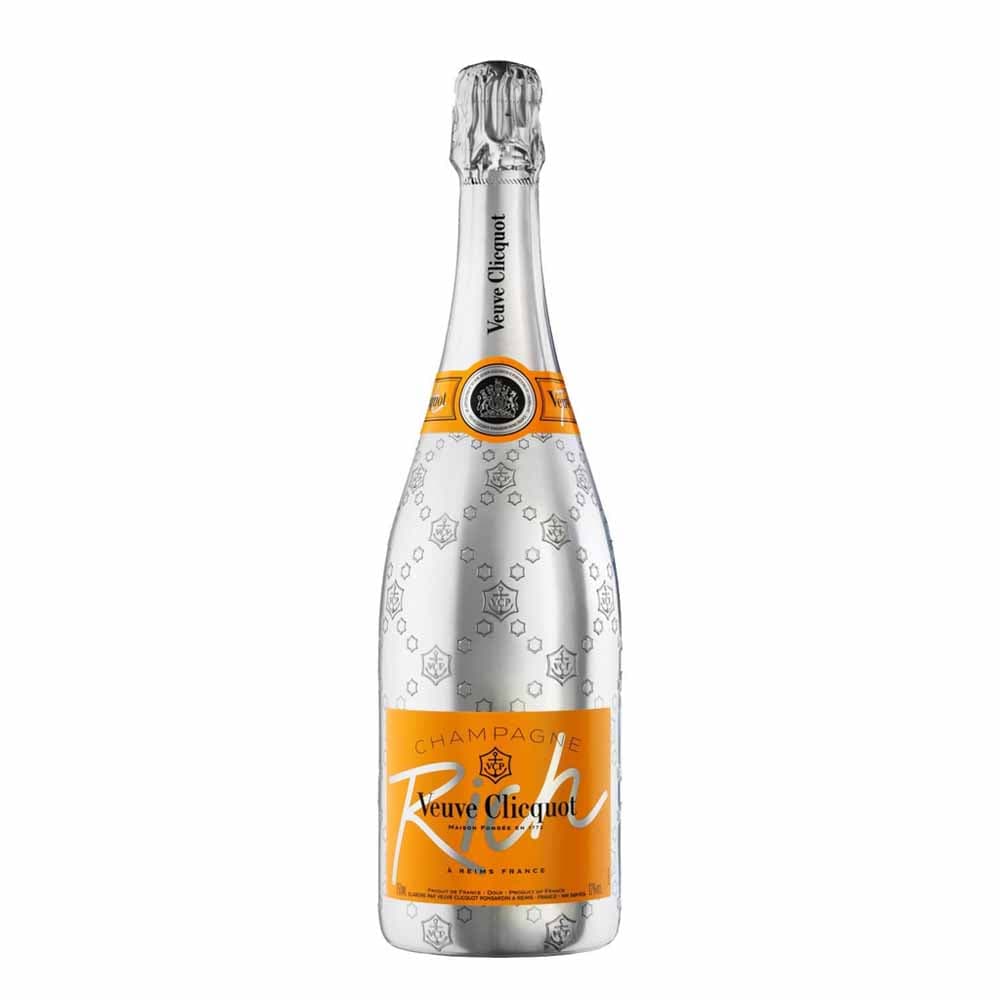
Yellow Label is Brut, so it's dry. If you prefer sweeter champagne, Veuve Clicquot Rich is designed for that and works well in cocktails.
How long can you store Dom Pérignon and Veuve Clicquot?
Non-vintage Veuve Clicquot is best within a few years of purchase. Dom Pérignon can age for 10 years or more when stored cool, dark and on its side.
Conclusion: Pick the Bottle That Fits the Moment
There's no wrong choice between Dom Pérignon and Veuve Clicquot, only the right bottle for the moment. Choose Veuve Clicquot when you want reliable, crowd-pleasing champagne to share. Choose Dom Pérignon when the occasion deserves something rare and unforgettable. Whichever you pick, the best champagne is the one shared with the right people.
Please drink responsibly. You must be 21+ to purchase alcohol.
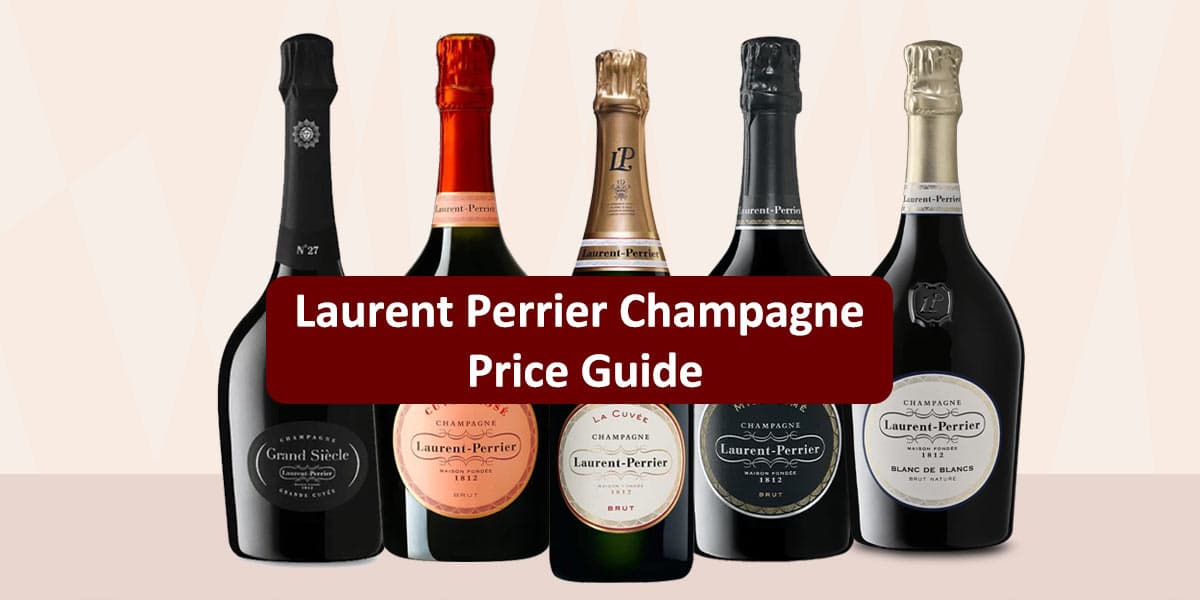
Laurent Perrier Price Guide (2026): History, Famous Bottles & Key Factors Determining Cost
Champagne is associated with celebration, milestones, and luxury gifts, and few brands have captured the essence of style as elegantly as Laurent-Perrier. With an incredible history of creating elegant and refined sparkling wines, based on Chardonnay and other grapes, the prestige of Laurent-Perrier's products has made them a favorite among both new and experienced wine connoisseurs alike.
When searching for a specific type of champagne, one may find a wide range in the price of a single bottle of Laurent-Perrier. While some are priced below $60 per bottle, others exceed $400. Laurent Perrier champagne costs differ for various reasons, including the type of cuvée (the blend of grapes), how many years it was aged, whether it's vintage or non-vintage champagne, and also its availability.
In this Laurent Perrier Price Guide, we'll provide information regarding the most popular varieties of Laurent-Perrier champagne, along with comparisons to help you determine why they are priced differently than other types of champagne. In addition to providing information about the Laurent Perrier champagne price, we will provide detailed descriptions of the champagne house, the ideal foods to pair with each variety of Laurent-Perrier champagne, as well as the practices used by Laurent-Perrier to create their fine champagnes.
The Laurent-Perrier Blog Uncovers:
- Laurent Perrier Champagne Price Guide
- Laurent Perrier Champagne House
- What Affects Laurent Perrier Champagne Cost?
- Most Prestigious Laurent Perrier Champagnes
- Laurent Perrier Winemaking Practices
- Food Pairings With Laurent Perrier Champagne
- Is Laurent-Perrier Worth The Price?
Laurent Perrier Champagne Price Guide
Here is a table showcasing Laurent Perrier prices across its most popular cuvées:
| Champagne | Average Price | Best For |
|---|---|---|
| Laurent-Perrier NV La Cuvée Brut | $50-$90 | Gifting and everyday celebration |
| Cuvée Rosé | $90-$120 | Anniversaries or romantic occasions |
| Ultra Brut | $75-$95 | Lovers of extra-dry champagne |
| Harmony Demi-Sec | $60-$75 | Dessert pairings |
| Blanc de Blancs Brut Nature | $100-$140 | Seafood dinners |
| Grand Siècle | $220-$320 | Luxury gifts and collectors |
| Alexandra Rosé Millésimé | $350-$500 | Milestone celebrations |
Note: Prices of each bottle may differ depending on the bottle size, packaging, retailer, and vintage availability.
Laurent Perrier Champagne House
Founded in 1812 in Tours-sur-Marne, France, by Laurent-Perrier, the Laurent-Perrier Champagne House is now one of the most renowned champagne producers in the world. Many of the large champagne houses have defined their style based on full-bodied, rich, Pinot Noir-based champagnes, while Laurent-Perrier has taken an alternate route, focusing on crispness, finesse, and harmony among all of its wines, with Chardonnay being utilized in a majority of its blends.
Laurent-Perrier was also established as a benchmark for high-end champagne through international recognition from Bernard de Nonancourt, who developed innovative methods to ensure quality and continually produced high-quality champagnes. Today, you can find Laurent-Perrier champagne in almost every Michelin-rated restaurant, luxury hotel, wedding, or celebration across the globe.
One of the main characteristics of Laurent-Perrier is its consistent house style — floral aromas, lively acidity, clean citrus fruit, and fine bubbles that make every sip refreshing and sophisticated.
What Affects Laurent Perrier Champagne Cost?
Several reasons influence Laurent Perrier champagne cost, making some bottles markedly more expensive than others. Some key contributing factors are:
-
Grape Quality
Prestige cuvées utilize Champagne's highest-standard vineyards, known for producing high-quality grapes that are complex and have great aging potential.
-
Aging Duration
Years are dedicated to aging champagne on its lees. Longer aging develops greater flavor and texture, but a higher financial cost.
-
Non-Vintage vs Prestige Cuvées
More basic bottles of champagne, such as Laurent-Perrier NV La Cuvée Brut, are non-vintage and blend wines from different harvest years to provide a consistent result. Prestige cuvées (i.e., Grand Siècle, Alexandra Rosé) are vintage-based, offered in limited production, and thus much more expensive.
-
Bottle Size
Champagnes available in magnum sizes and larger tend to be more expensive, as they are produced in limited quantities and are highly sought after for holidays, celebrations, and gifting.
-
Brand Prestige
Laurent-Perrier has more than 200 years of experience as a world-class company. As a result of offering such quality products, they are able to command high prices.
Most Prestigious Laurent Perrier Champagnes
-
Laurent-Perrier NV La Cuvée Brut
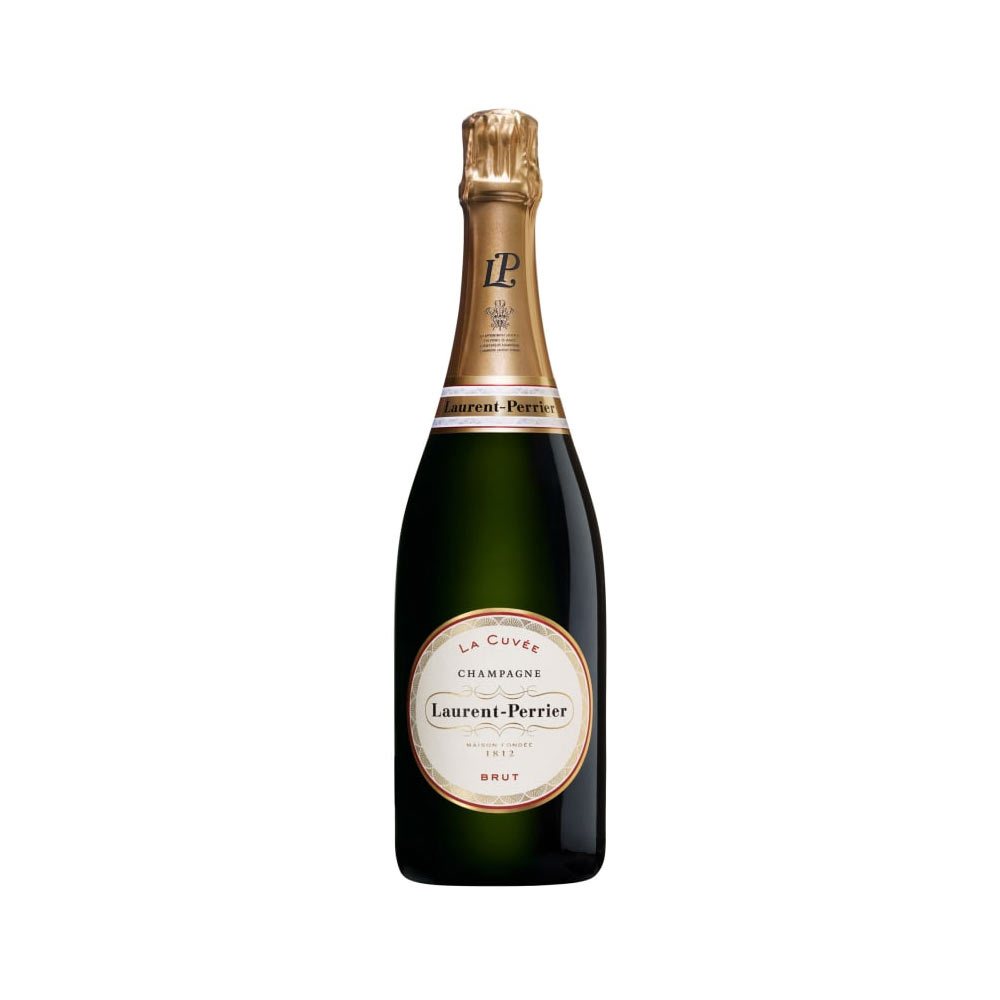
Average price: $55-$70
The Laurent-Perrier NV La Cuvée Brut represents the quintessential house style of elegance, making it an ideal starting point for those seeking to experience all that the house has to offer. The blend of Chardonnay as the primary grape variety, combined with small percentages of Pinot Noir and Pinot Meunier, provides a delicate balance of flavor and style. Aroma profiles consist of citrus fruit, green apple, white floral elements, and subtle notes of brioche. Its crisp acidity and fine bubbles make it suitable for both celebratory occasions, such as weddings or holiday gatherings, and dinner party settings. It also serves as a high-end option for corporate champagne gifts. If you are looking for the best value within the Laurent-Perrier portfolio, the La Cuvée Brut is a great place to start.
-
Laurent-Perrier Cuvée Rosé
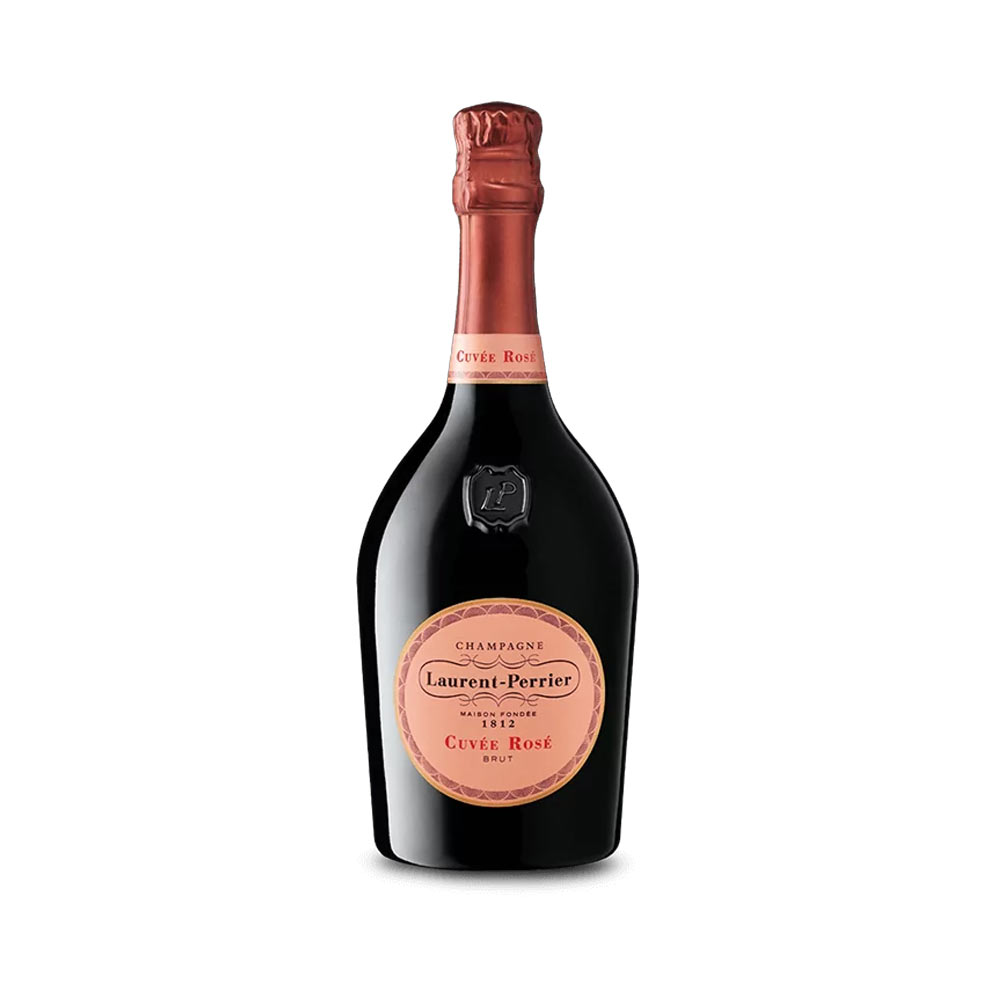
Average price: $90-$120
Cuvée Rosé is one of the world's most renowned rosé champagnes, identifiable through its unique curvaceous bottle. Traditionally produced via maceration, Cuvée Rosé presents intense fruit flavors consisting of raspberry, strawberry, black cherry, and rose petal. Elegantly structured and expressively flavored, Cuvée Rosé will complement anniversaries, Valentine's Day, bridal showers, or serve as a luxurious addition to gift baskets.
-
Blanc de Blancs Brut Nature
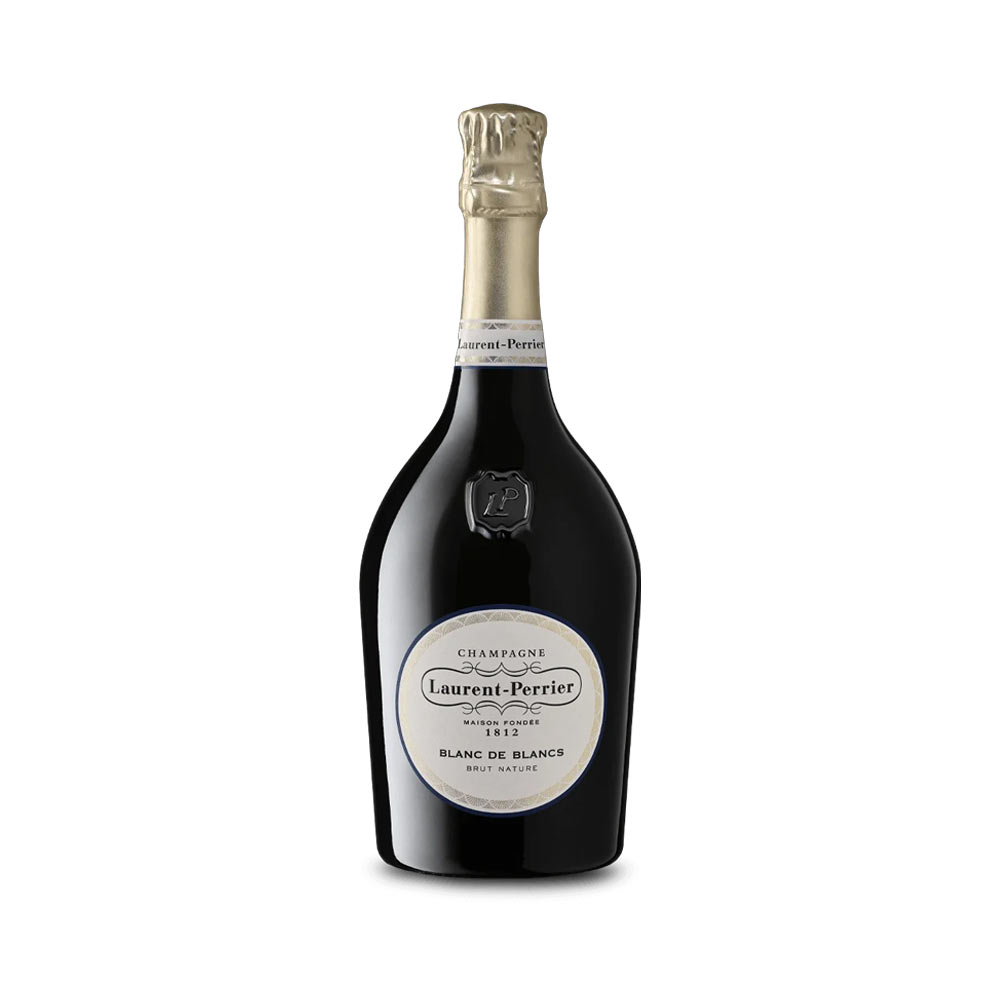
Average price: $100-$140
Blanc de Blancs Brut Nature, made only using Chardonnay grapes and without adding any dosage to the wine, brings a unique freshness and minerality. It will remind you of scents such as lemon zest, white flowers, green apple, and chalk. Due to its high acidity levels, this Laurent-Perrier champagne is one of the best to be served with oysters, lobster, sushi, and all sorts of seafood.
-
Grand Siècle
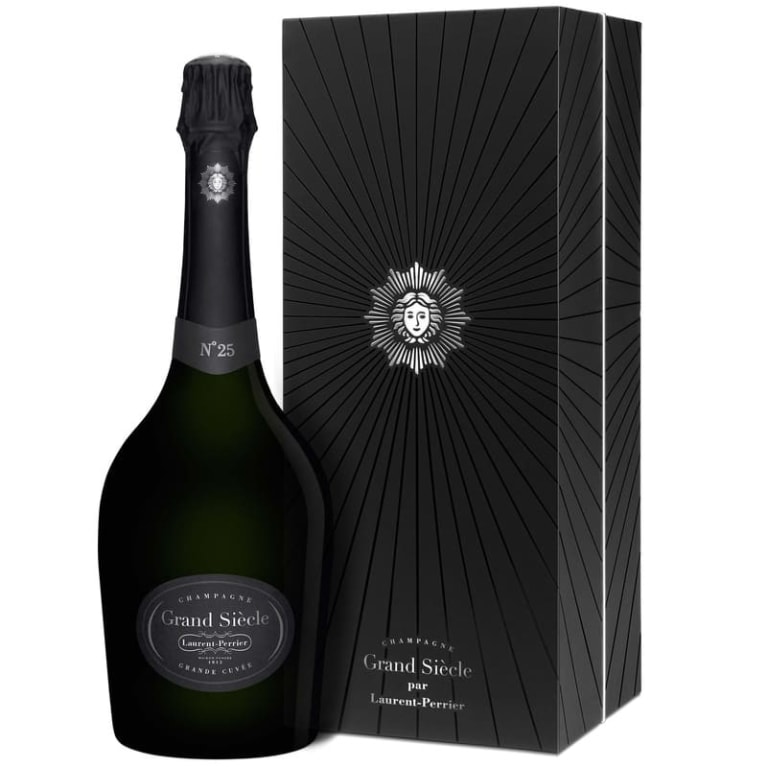
Average price: $220-$320
Not made according to a certain year, but rather created by mixing several excellent years to create a unique champagne, Grand Siècle is rich and exceptionally elegant. Among the numerous aromas that can be found in this wine are toasted brioche, citrus, almonds, honey, and minerals.
Did You Know? Grand Siècle is the sole variety of Champagne offered by Laurent-Perrier under the name of "Iterations." Instead of making vintage Champagne from one harvest year, the company combines three years which have yielded the best harvests in order to make an ideal Champagne. This is why there are terms such as Grand Siècle Iteration No. 27; it means that it is the 27th iteration of this champagne.
-
Alexandra Rosé Millésimé
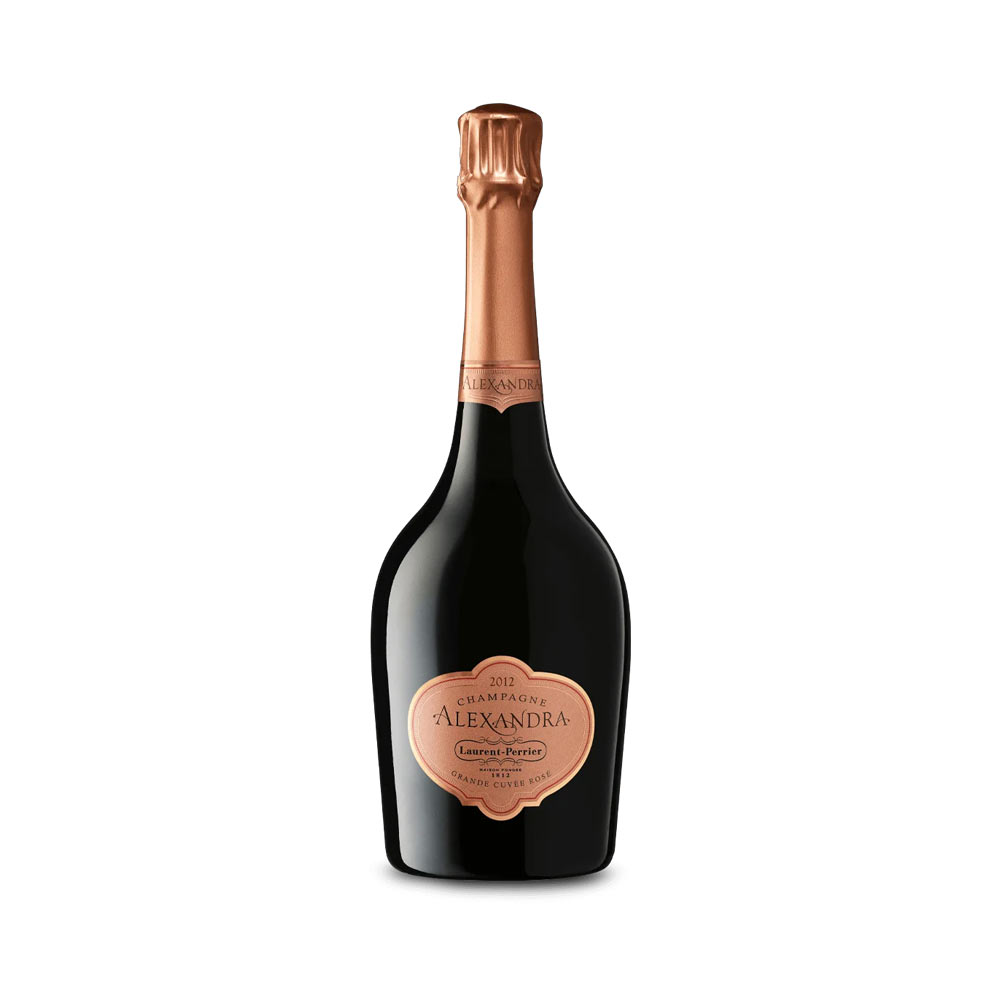
Average price: $350-$500
Produced only in outstanding years, Alexandra Rosé Millésimé is the most expensive champagne in the Laurent-Perrier line. Made from Chardonnay and Pinot Noir grapes from outstanding plots, it has amazing complexity and finesse with tastes of wild berries, blood orange, peach, and floral notes.
Laurent Perrier Winemaking Practices: How Is Laurent Perrier Champagne Made?
The elegance of Laurent-Perrier champagne starts in the vineyards, where grapes are hand-picked while fresh and pressed gently to extract the purest juices. Each grape variety is vinified separately, which helps the winemakers exercise full control over the winemaking process.
Fermentation is mostly carried out in stainless steel tanks, which helps preserve the characteristic fruitiness and acidity of the wine. A blend of reserve wines and the wines of the current year is made to guarantee consistency of the house style, especially in non-vintage champagnes.
A second fermentation occurs in the bottle, giving the champagne its bubbles, and maturation occurs while the yeast cells remain in the bottle. This long period of maturation gives complexity of flavors such as brioche, toasted almonds, and cream, combined with amazing freshness. After riddling and disgorging, the wine goes through the dosage stage and is aged again before being put on the market.
Food Pairings With Laurent Perrier Champagne
| Champagne | Best Food Pairing |
|---|---|
| Laurent-Perrier NV La Cuvée Brut | Roast chicken, sushi, parmesan, oysters |
| Cuvée Rosé | Salmon, duck, tuna, berry dessert |
| Blanc de Blancs Brut Nature | Goat cheese, scallops, lobster |
| Grand Siècle | Lobster, caviar, truffle dishes |
| Alexandra Rosé Millésimé | Aged cheese, lamb, foie gras |
Is Laurent-Perrier Worth The Price?
If you need top-quality champagne but are not willing to enter the ultra-luxury range, Laurent-Perrier is one of the best choices. This brand can be distinguished by its constant high quality, elegance, and precise production processes that make every bottle unique.
Laurent-Perrier NV La Cuvée Brut is the perfect option for regular luxury consumption, and Cuvée Rosé will bring more elegance to romantic dates. For collectors or those celebrating special events, Grand Siècle and Alexandra Rosé will be the perfect choice. Whether you need a bottle for yourself or want to send a champagne gift, Laurent-Perrier is a fantastic option.
Frequently Asked Questions (FAQs) About Laurent-Perrier
-
How much does Laurent Perrier Champagne cost?
Typical Laurent Perrier champagne prices range from $55 (La Cuvée Brut) to more than $500 (Alexandra Rosé Millésimé).
-
Which Laurent-Perrier Champagne is best?
As a daily wine, Laurent-Perrier NV La Cuvée Brut gives excellent value for money. As a luxury wine, Grand Siècle is highly appreciated by experts and customers as one of the best cuvées from this house.
-
Why is Laurent Perrier Champagne expensive?
The pricey nature of this sparkling wine can be explained by high vineyard quality, precise winemaking, prolonged lees aging, and the house's prestigious name.
-
Is Laurent-Perrier NV La Cuvée Brut worth buying?
Yes, it is. The wine is very elegant, fresh, complex, and affordable.
-
Is Laurent-Perrier a good Champagne gift?
Sure — its elegant design, good quality, and diverse price range make this brand perfect for presenting on different occasions, including birthdays, weddings, anniversaries, corporate events, or holidays.
Final Thoughts
From the first bottle to expanding an existing collection, this Laurent-Perrier Price Guide proves that there is a special champagne for each occasion and budget. From the affordable Laurent-Perrier NV La Cuvée Brut to the luxurious Grand Siècle and Alexandra Rosé, each bottle is a reflection of the elegance and precision of the Laurent-Perrier house.
When choosing a champagne that could be equally great as a gift, party drink, or celebration wine, Laurent-Perrier remains one of the top brands in the world of sparkling wines. You can explore the Laurent Perrier variety at our online store.

Bordeaux vs. Burgundy: A Tale Of Two Legends, Key Differences & Taste
Two of the most iconic names wine lovers and enthusiasts won’t stop talking about or drinking, right?
Browsing through wine shelves you must’ve been intrigued by Bordeaux and Burgundy - two of the most iconic wine regions and wines of France. Both these regions enjoy the love, fame and uniqueness of equal measure. But, they are vividly different in style and experience and thus, have their own respective fan clubs. Bordeaux and Burgundy wines are named after regions of their origin and this is true for French as well as wines from other old world wine regions.
THE REGIONS: BIG VS SMALL
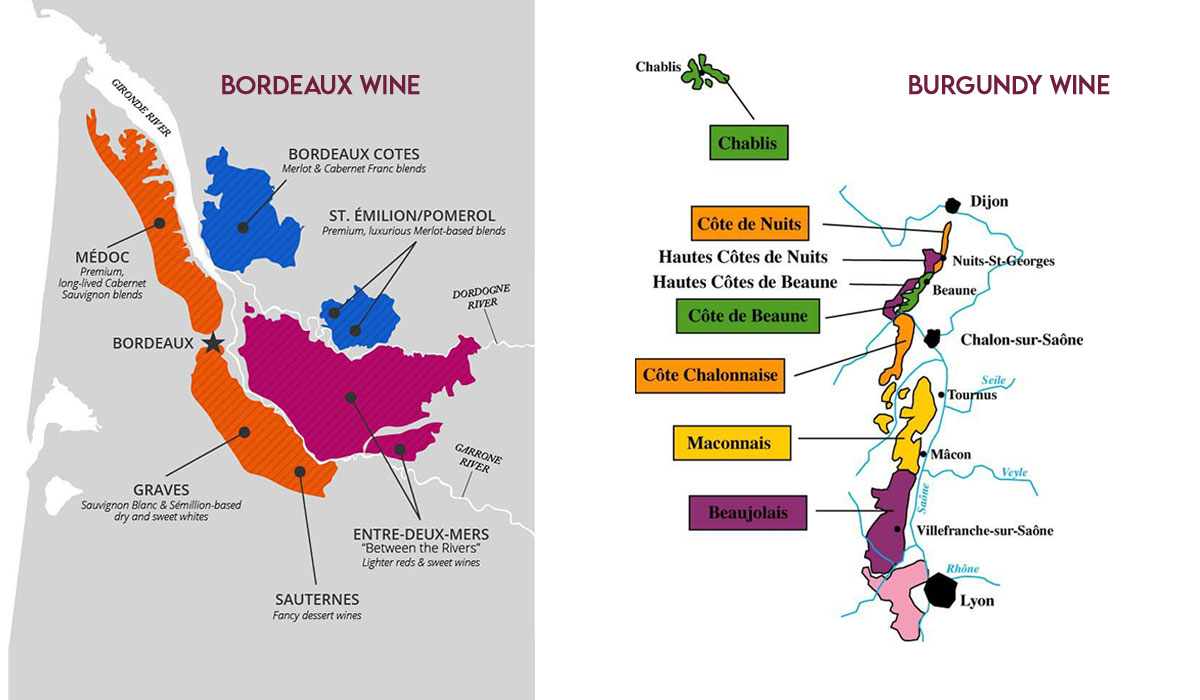
BORDEAUX is an opulent stage of iconic French wine, with 60+ appellations, some of world’s most famous châteaux, and a strong export market. Names like Pauillac, Margaux, Saint-Émilion, Saint Estephe carry serious weight in the wine world.
With over 120,000 hectares under vine (land in vineyard use), Bordeaux is a vast and complex wine region that’s immaculately organised. In Bordeaux, it’s about big estates, bold blends, cold winters moderated by the ocean, and an export and business model called ‘La Place de Bordeaux,’ that has been running like clockwork for centuries.
Bordeaux is a benchmark for age-worthy reds that are blended to perfect themselves with bottle ageing. Story of left vs. right bank, further adds to the intrigue of wine experts, collectors and casual drinkers alike. The Left Bank of Bordeaux is known for its Cabernet Sauvignon-heavy blends, thanks to gravel-rich soils that drain well and retain heat. The Right Bank, in contrast, leans towards Merlot, Cabernet Franc, and Petit Verdot, producing softer, rounder wines ideal for earlier drinking. Of course, Bordeaux is also known for iconic sweet wines like Sauternes and Barsac, as well as, for zesty yet intensely flavoured Bordeaux white wines which are usually a blend of Sauvignon Blanc and Sèmillon. The dry whites from Graves and Pessac-Léognan are especially prized, with higher acidity and minerality. Bordeaux wines has something for every palate, reflecting both power and poise, standing as a benchmark in the global wine culture.
If you romanticise picturesque vineyards, grand châteaux, a mesmerising wine city by the river, world’s first interactive wine museum and of course - some structured reds ! This Bordeaux wine and travel blog is for you. Save it if you’re planning a trip to Bordeaux.
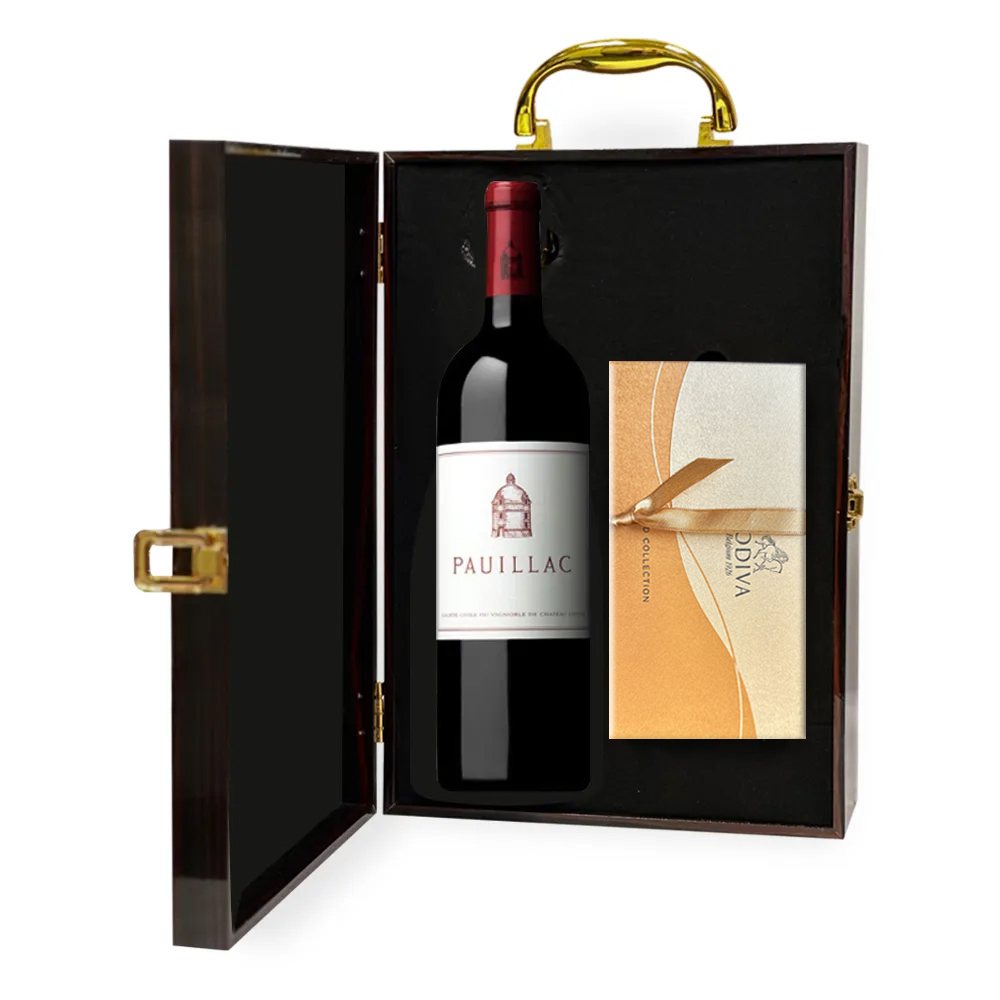
A breathtaking charcuterie and wine gift-set with the - iconic ‘Pauillac’ ! Perfect for a classy and rustic backyard evening. Find this and many more Bordeaux wine gift baskets paired with gourmet treats, ready to be shipped straight to your or well, anyone’s doorstep.
Buy Online
BURGUNDY or BOURGOGNE is more personal with smaller plots, single vineyards, varietal wines and producers focused on terroir - in short, a soulful experience. Nestled in the beauteous hills of eastern France, Burgundy is a region built on precision and place. Why precision? Burgundy wines are known for their ability to point at and showcase subtle differences in wines, just when grapes used are grown on two different plots of the very same vineyard.
Burgundy wines are not focused on big blends but on tiniest details of: soil, slope and direction of the hill, barrel age and size, and of course, the gentle and well towed hands that till the vineyards with their labour of love. It’s wine grown with humility and intention for excellence. The region experiences cold winters, creating distinct vintage expressions year after year.
The varietal wines are core of Burgundy, the red grape Pinot Noir and white grape Chardonnay captures the heart of the region. These grape varieties flourish in rich soils and in cold winters, creating refreshingly vibrant wines. What makes it special is elegance, finesse, and higher acidity. And honestly, no blending here, just pure and precise wines, perfect for gifting to someone who appreciates authenticity in every glass.
Burgundy is a beautiful patchwork of vineyards and is formed by many regions within it, each unique and special for its own qualities. It is broken down into sub-regions : Chablis, Côte de Nuits, Côte de Beaune, Côte Chalonnaise & Mâconnais. The wines we relish come from hundreds of villages and vineyards (climats) that lie within these sub-regions.
If pure one of those Pinot Noir lovers who have fallen for its mystical nature, read our special blog to know Pinot Noir through its many layers. Save this section, to look up these regions on a wine map or if you are planning a trip down the famous ‘Rue de Grand Cru’.
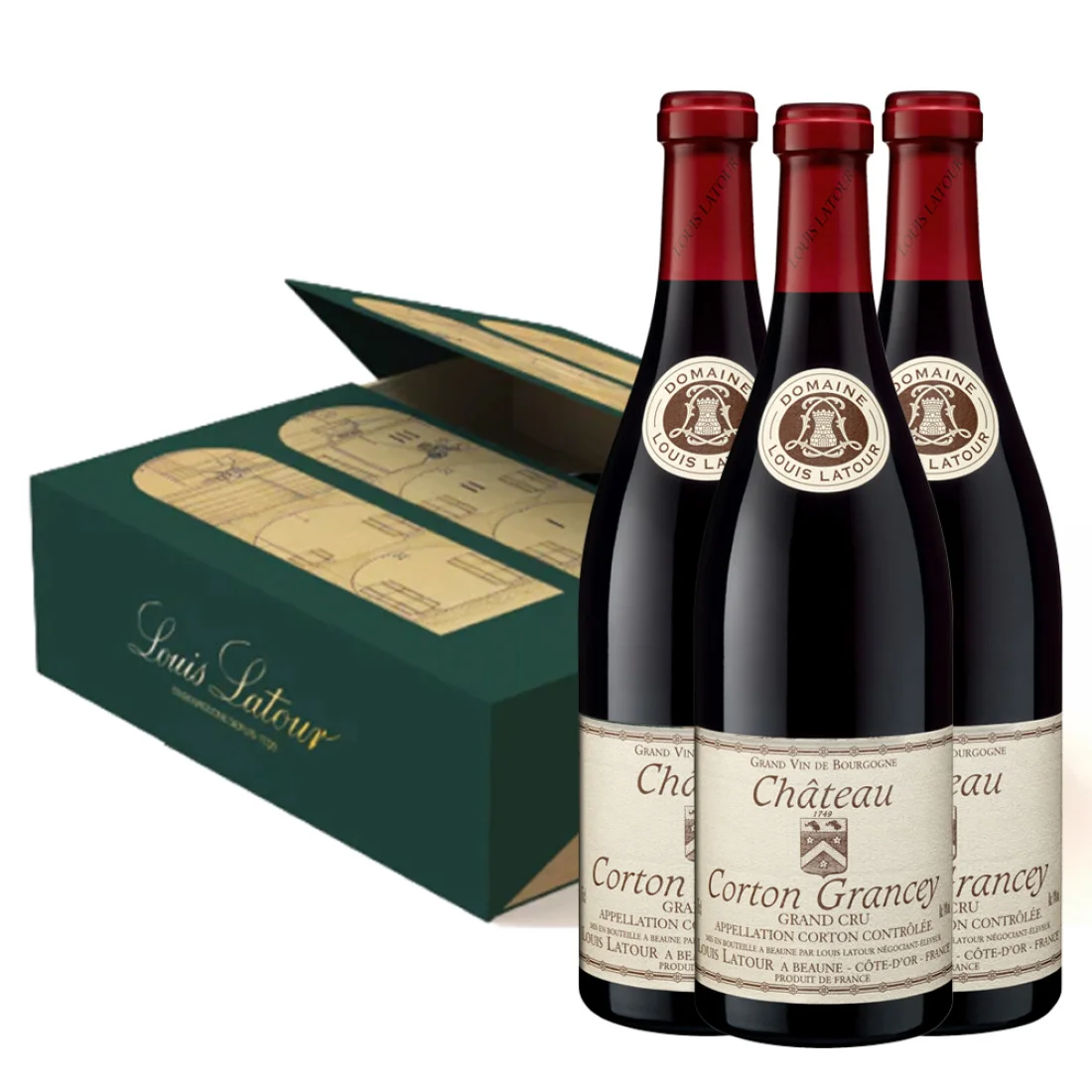
Whether you’re a host or a guest - this gift set of Burgundy royalty will ensure that you make a lasting impact.
Château Corton Grancey Grand Cru Three Vintages Gift Set
Buy Online
GRAPE VARIETIES - GREAT BLENDS VS VARIETAL PURITY
When you think about the difference between Bordeaux and Burgundy, the conversation always starts with grape varieties.
One of the biggest differences in Bordeaux and Burgundy lie in the grape varieties and how they are used.
Bordeaux is a region that has mastered the art of blending. Bordeaux reds are almost always blends, but the dominant grape in any blend depends on where you are - Left Bank or Right Bank. Located on either side of the river, both areas have their dominant grape varieties. It’s Cabernet Sauvignon on the warm gravelly soils of the Left Bank, whereas, blends of Merlot, Cabernet Franc, Petit Verdot and Malbec thrives on the cooler clay soils of the Right Bank.
Other black grape varieties like Cabernet Franc, Petit Verdot, Malbec are used as a part of these blends and add to the stricture and aroma profile of the wines. White wines of Bordeaux are usually a blend of Sauvignon Blanc and Sémillon, expect flavour depth and complexity. But hey, why blend at all? Read on ! Since Bordeaux has a maritime climate, rainfall is high and there can be a significant variation in each year’s crop - so to ensure balance, complexity and consistency Bordeaux’s expert winemakers have blended grapes for centuries to craft long-lived, great wines.
Burgundy is synonymous with varietal purity. The hero of red wines here is - Pinot Noir, while Chardonnay is the guy for whites. Wines are not blended but are rather terroir centric - red wines are 100% Pinot Noir and white wines are 100% Chardonnay.
Since the winemakers let terroir do the talking, no two Pinot Noirs from vineyards just meters away are same. Soil and microclimate do the talking here.
TASTING, WINE AND FOOD PAIRING - BORDEAUX AND BURGUNDY
Tasting bold vs elegant - that is exactly what you’re going to do when tasting wines from Bordeaux and Burgundy. Take a glance at how each wine region bursts into vividly different flavours on your palate:
| Region | Red Wine Tastes Like | White Wine Tastes Like |
|---|---|---|
| Bordeaux | Full-bodied, structured, dark fruit, cedar, tobacco, often high and structured tannins | Zesty, herbal, citrusy (especially from Graves), structured with medium body |
| Burgundy | Lighter, earthy, cherry, floral, silky tannins | Mineral, creamy, lemon curd, lemon tart, with ageing potential |
And yes - save this pocket chart for next time you open a bottle of these French icons.
Now, let us look at some food and wine pairings! Pairing wine and food is an exercise that allows you to take a deeper dive into wine’s hidden flavours. Bordeaux wines and Burgundy wines keep a lot undercover - want to open up complex layers of flavours and aromas?
Let’s see what they pair well with!
Here are a few of my personal favourites along with some vegan friendly pairing suggestions:
| Wine Style | Food pairings |
|---|---|
| Bordeaux Red Wines | Steak in mushroom sauce, lamb chops, aged sharp cheddar, butter chicken, tandoori lamb kebabs. Vegan - rajma (kidney beans) curry and steamed rice, stir fried tofu and veggies |
| Bordeaux White Wines | Oysters, goat cheese salad, grilled fish, paneer or chicken tikka (marinated cottage cheese or chicken cooked in a clay oven), butter garlic naan. Vegan - pesto hummus and pita, masala lemon rice |
| Burgundy Red (Pinot Noir) | Braised duck, mushroom risotto, mildly spiced roast lamb, dal makhani, kadhai paneer (cottage cheese in creamy gravy). Vegan - veg biryani, grilled cauliflower |
| Burgundy White(Chardonnay) | Lobster, roast chicken, Brie, malai kofta (veggie and dry fruit dumplings in a creamy gravy), fish moilee (south Indian delicacy). Vegan - methi corn pulao, jackfruit cutlets with mint chutney |
Every wine interacts differently with food flavours - So i’d say it’s a blank canvas laid out - go on and splash the flavours you love ! Save these food and wine pairings for your next wine themed party. It’s got something to please everyone!
Chateau Rauzan Segla Holiday Wishes Gift Basket
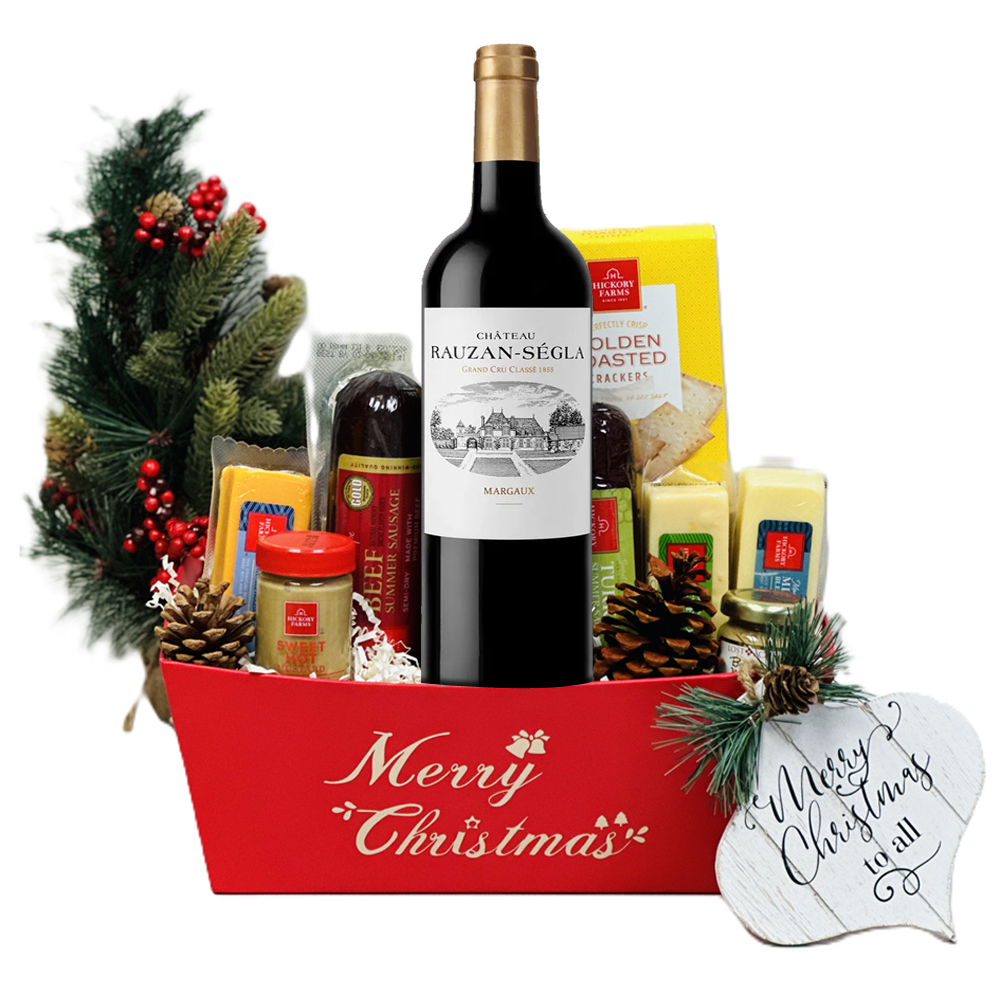
Now, we know Christmas is a bit away but we have to tell you what’s coming! We are stocking up on these gourmet Christmas wine gift baskets - exclusive and handpicked wines with treats that scream - holiday table! Browse and order from our - cute and classy collection of Wine and Chocolate Gift Baskets.
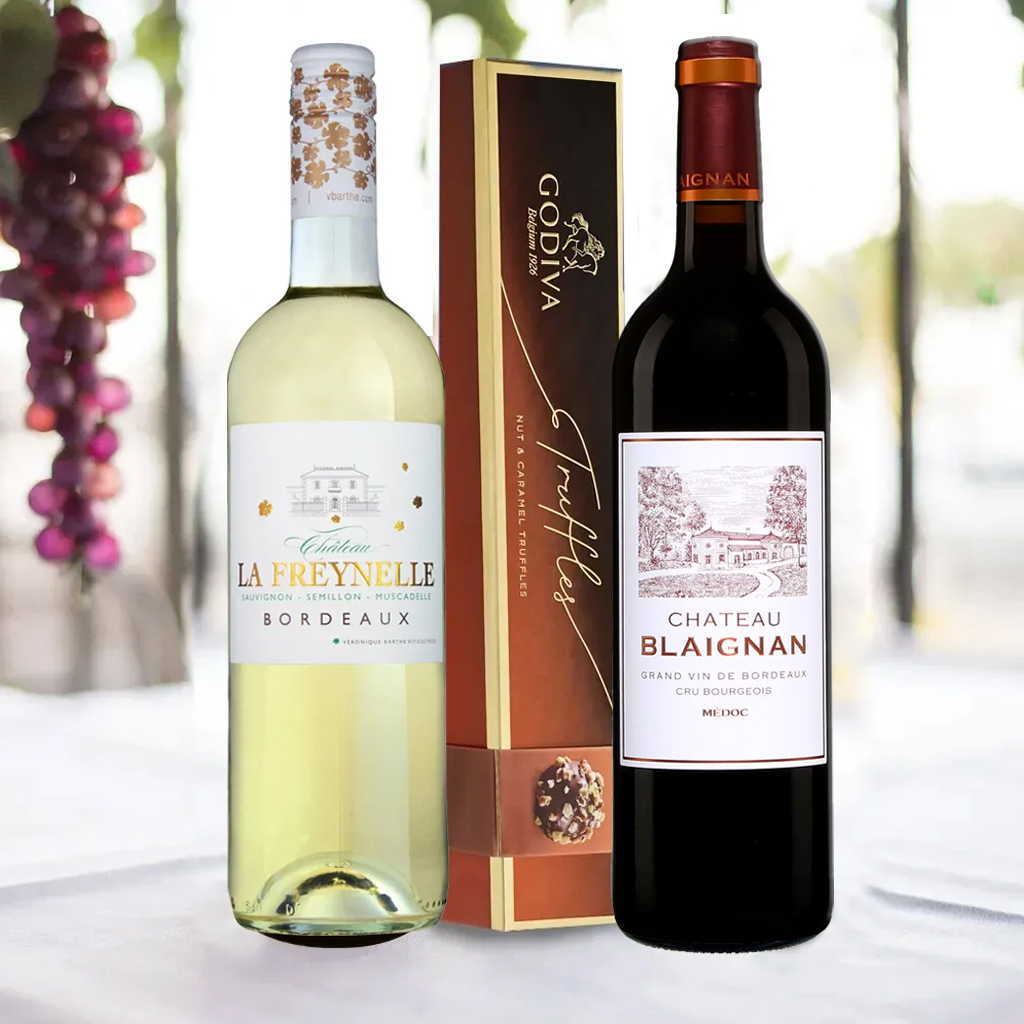
Savor the essence of France with our French Red and White Bordeaux Wine Gift Set. Perfect for any occasion, this gift set features refreshing a refreshing White wine from Chateau La Freynelle Bordeaux Blanc and a Chateau Blaignan Médoc Red Wine. Accompanied by a delightful Godiva chocolate box, it's a timeless wine and chocolate gift that brings joy to every celebration. Check out our exclusive range of hand crafted, gourmet French Wine Gift Baskets!
PRICING & PRESTIGE – WHY ARE THESE WINES SO EXPENSIVE?
You know: when most people hear Bordeaux or Burgundy , they also think…pretty dollars. And yes, both regions have bottles that sell for hundreds — even thousands — of dollars. But there’s more to the story.
Bordeaux is home to some of the most famous wine estates in the world — like Château Margaux , Lafite Rothschild , and Mouton Rothschild . These wines are made in large quantities, aged for decades, and traded like ultra luxe assets. The top-tier wines are called classified growths - collectors and investors go after them. But don’t worry — you don’t have to break the bank to enjoy a Bordeaux. The region does offer some great value buys like - Haut Medoc and Côte de Bordeaux to name a few.
Pro Tip: Look for second labels from top châteaux — they offer great quality for less as wines are from same producer, same winemaking expertise, only they’re made from younger vines and are meant to be enjoyed at an earlier age compared to - ‘Grand Vin’ (the château’s first wine/label). Check it out here.
In Burgundy, things work differently. The region is tiny, and many wines come from micro vineyards, sometimes as tiny as one side of a small slope. Because of that, supply is limited. When a vineyard is well-known (like Romanée-Conti), and the wine is excellent, the demand skyrockets and prices also see astronomical highs. Even so, there are delicious, affordable Burgundies too. Try - Bourgogne Rouge or Bourgogne Blanc, Mâcon-Village or Côte Chalonnaise wines.
Pro Tip: if you’re curious about a value label you’ve seen, read about the producer — even basic level wines can shine if made with care.
So, Bordeaux and Burgundy which Region Is More Expensive?
It depends. At the very top end, Burgundy can be pricier because of rarity. But Bordeaux wines offers more high-end names with wider availability. Both wine regions have smart and value buys if you know where to look.
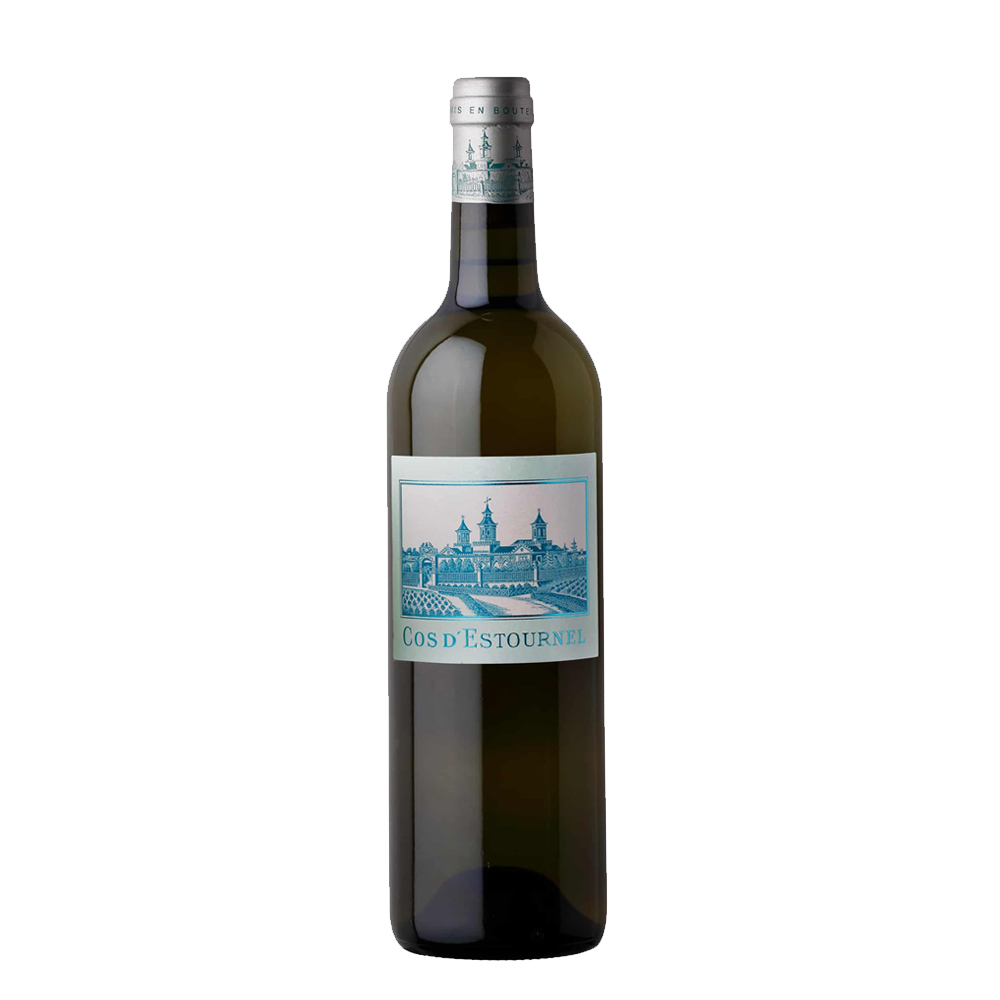
The Chateau Cos d'Estournel Blanc 2020 is a refined Bordeaux blend from Saint-Estèphe, offering bright aromas of citrus, white peach, and delicate blossom notes. Crisp and elegant on the palate, it balances fresh acidity with layered flavours of stone fruit, subtle spice, and mineral undertones. Pairs well with seafood, light poultry dishes, and soft cheeses. Shop now to enjoy a classic expression of balance, freshness, and finesse.
Buy Online
After exploring major differences between bordeaux and burgundy, things must be pretty clear in your mind. And if there is still some doubts left you can read our blogs on best bordeaux wines and best burgundy wines, and make your mind for your next purchase.
FINALLY - BORDEAUX VS. BURGUNDY, A CELEBRATION NOT A COMPETITION
Now that you’ve explored the wines, grapes, regions, and rich traditions behind Bordeaux and Burgundy, it’s clear - this isn’t about which is better. It’s about starting a conversation — one that continues every time you open a bottle, share a glass, or discover a new producer.
From opulent, age-worthy wines to affordable hidden gems, both regions offer something for every palate and pocket. Whether you're celebrating a milestone or just making a weeknight dinner feel special, the right bottle of French Wine can turn any moment into a memory.
Explore our Exquisite French Wine Gift Baskets — bring together handpicked bottles from the legendary regions of Bordeaux and Burgundy — two of the most iconic names in the wine world.
Choose from a curated selection of:
- Velvety, robust red wines from Bordeaux’s Left Bank, enriched with dark fruit, age-worthy depth, and structured elegance from the petite verdot and malbec duo
- Classy Burgundian Pinots and Chardonnays from Eastern France that express true terroir
- Unique Petit Verdot and Malbec notes from aged blends
- Zesty, mineral-rich white wines for summer evenings
- Curated selections of artisan pairings like wine and gourmet cheeses, wine and fine chocolates, and also charcuterie that embody wine culture at its finest
- Thoughtfully packed and fully customizable for birthdays, anniversaries, weddings, corporate gifting, or just because you want to pamper yourself!
Each basket is beautifully wrapped, with a personalised note option, and delivered straight to your door. That’s - Luxury made simple, Gifting made unforgettable.
Curious to learn more? Don’t miss our deep dives into Bordeaux (from my latest trip to the region) and Burgundy (a peek into Pinot Noir’s mystical nature) — the stories, grapes, and food pairings you’ll want to bookmark.
Know More: Best French Wines To Gift
Save this post for your next French Wine adventure and let every bottle be a talking point.
DRINK RESPONSIBLY AND TAKE LIFE ONE SIP AT A TIME!
Bordeaux Wine And Travel
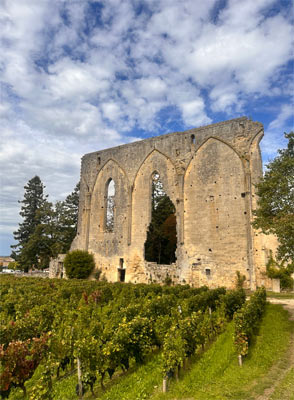
BORDEAUX, GRAND CRU VINEYARDS OF SAINT EMILLION
BORDEAUX is a wine region that needs no formal introduction. Touring the magnificent and spell binding Grand Cru vineyards of Bordeaux was one of a kind enriching experience. Every Bordeaux wine we savoured was bespoke of laboured love and generational tenacity. The city of Bordeaux is as vibrant and rich in culture as the region’s wine history. To explore Bordeaux’s wine magic and more, let me take you on an armchair travel to Bordeaux!
TRAVEL IN BORDEAUX
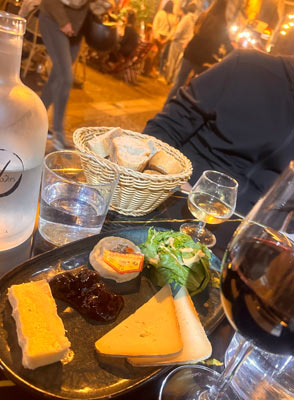
Bordeaux is every wine lover’s dream destination. Unique Bordeaux wines paired with region’s distinct gastronomic delights like gourmet cheeses and freshest baguettes offer a holistic food and wine treat that will always leave you longing for more.
Bordeaux, often hailed as the world’s wine capital, offers a multi dimensional journey through centuries of viticulture, from its historic châteaux to modern wine museums. Travellers can indulge in diverse experiences, including tastings of world renowned Bordeaux blends, exploring vineyards nestled within or outside the city, and participating in interactive exhibits at the wine museum , La Cité du Vin, all set against the backdrop of the city's rich architectural heritage. And just like me, if you find strolling amidst the sprawling yet humble vines therapeutic, Bordeaux is the place for you.

EXPLORING BORDEAUX THROUGH A WINE LOVER’S LENS
LA CITÉ DU VIN
A visit to La Cité du Vin in Bordeaux was nothing short of magical even if you’re a wine professional like me . Walking through the immersive exhibits, I was lost in the rich and real world of wine aromas, each scent telling a story of terroir and time. The journey through wine-making processes, from grape to glass, was both enlightening and inspiring. I concluded the experience with a glass of Bordeaux in hand, gazing out over the city’s skyline, feeling deeply connected and humbled by the region’s timeless love affair with wine.
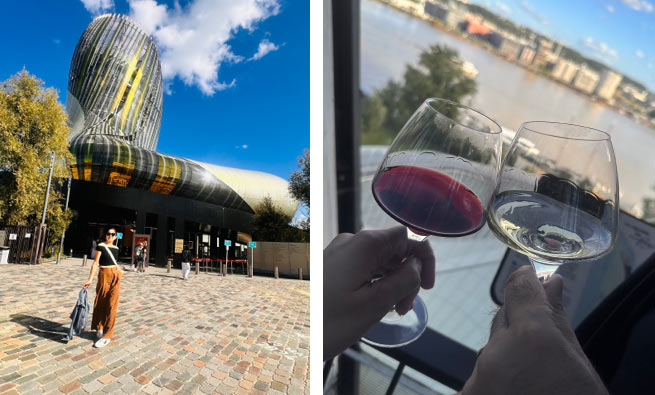
WINE TASTING AT A GRAND CRU CHATEAUX
Tasting wines at a Grand Cru Château in Bordeaux was a masterclass in elegance, each pour revealing layers of complexity, history, and craftsmanship. Sipping in the serene vineyard setting made the experience truly unforgettable. Chateaux Laniotte’s current custodians are 10th generation winemakers and every moment there made us feel that history!
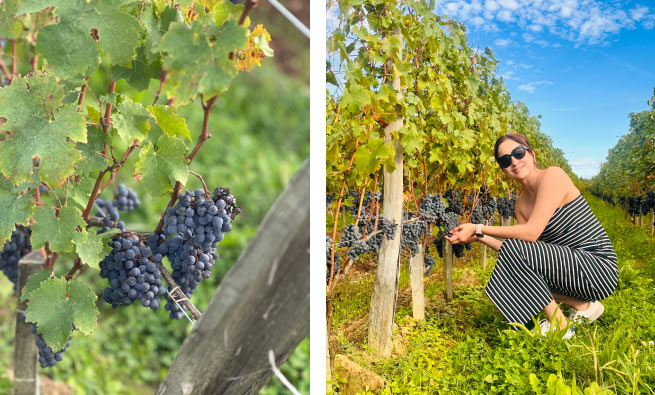
WINE ,MUSIC AND SERENITY ON STREETS AND RIVERS OF BORDEAUX
Sipping wine on the cobbled streets of Bordeaux with a wedge of cheese in hand, I felt completely in tune with the city’s rhythm. A street violinist played nearby, adding a touch of romance to an already perfect moment. Sipping wine while sailing on the Garonne was calm and beautiful, Bordeaux gliding by with every crafted sip. It’s no wonder Bordeaux often features in lists of the Top Wine Tours Around the World, offering an unforgettable blend of culture, scenery, and taste.
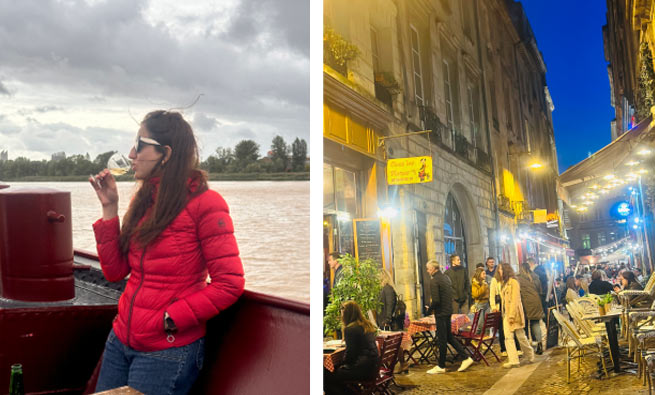
BORDEAUX WINES FOR CHRISTMAS 2025
Enjoying the marvels and historic charm of Bordeaux left me wanting for more and I was slightly bereft as this trip was just about concluding. But then, I thought one can surely enjoy a Bordeaux away from Bordeaux anytime via these iconic Bordeaux Wines ! Especially because it’s going to be CHRISTMAS in the blink of an eye. Christmas cheer is the time to make warm and fuzzy memories around friends and family with some great wine and food.
Along with being great on their own Bordeaux wines are very food friendly. Imagine your Christmas treats being served aside some iconic Bordeaux wines. Bordeaux wines have a rich, fruit forward and a deeply intimate palate that pairs with equally rich and flavourful Christmas delicacies. Think pairing this iconic Bordeaux wine set with a delectable Plum Cake or a fancy Charcuterie board. Bordeaux wine gift baskets can be the glitzy and fascinating pick for the upcoming gifting season of Christmas.
Make someone you care about feel truly special with these thoughtfully curated Bordeaux wine gift baskets. They might just be your new love language
BORDEAUX WINE AND FOOD PAIRINGS
I’ve put together some festive food pairings to spark that holiday magic (when it’s time)! All centred around the unique charm of Bordeaux wines. While these combinations are perfect for the season, don’t wait for the holidays, bring out a bottle at your next soirée and let the pairings shine anytime.
Product details :-
| WINE | TASTING NOTES | FOOD PAIRINGS |
|---|---|---|
| LE PETIT MOUTON DE MOUTON ROTHSCHILD PAUILLAC | Cabernet Sauvignon led blend from the iconic commune of Paulliac presents a complex palate of ripe dark fruits, cedar and tobacco notes from French oak. Leaves a velvety finish that lingers on with a touch of dark chocolate and sweet baking spice. | PRO TIP - salt enhances the flavours and texture of wine. Pair with rich and savoury meat dishes or creamy and flavourful vegetarian fare. Filet mignon, bolognese , Lamb roulade, grilled meats and even burgers. Veggie pie with sun-dried tomatoes, mushroom and eggplant casserole, fusilli with bocconcini in ragu sauce. If we’re thinking Indian this wine would be a great match with a lentil curry served aside flavoured cumin rice with poppadoms pickle oil onions (this is a vegan option too) or with mildly spiced chicken tikka masala and garlicky naan bread. |
| CHÂTEAU RAUZAN-SÉGLA MARGAUX GRAND CRU CLASSÉ | Margaux, the jewel of Médoc, is renowned for its elegant and aromatic wines. A blend of cabernets and Merlot, this wine presents a symphony of perfumed elegance with subtly powerful aromas of rich dark fruits, toast and cigar box. It leaves behind a trail of cocoa and clove as it finishes long and pleasant on the palate. A Grand Cru Classé, this wine stands in a league of its own—a true reflection of your refined taste in Bordeaux wines. |
Pairs beautifully with holiday favourites - tender meats like roast lamb or duck breast—it brings out the wine’s silky tannins and floral notes. It also works well with earthy dishes like Indian eggplant mash will complement the wine’s depth and elegance. For something lighter, try it with mushroom masala or tandoori cauliflower. Both will bring out the wine’s subtle spice and floral notes while keeping things plant based. |
| 2020 CHATEAU COS D'ESTOURNEL BLANC | A refined white Bordeaux blend from Saint-Estèphe, offering bright, expressive aromas of citrus, white peach, and delicate floral notes. Crisp and elegant on the palate, it balances fresh acidity with layered flavours of stone fruit, subtle spice, and mineral undertones. | This Bordeaux wine is a great match for Christmas classics like roast turkey, buttery mashed potatoes, and herb stuffing—it keeps things fresh and bright. The refreshing yet rich palate also pairs beautifully with creamy sides and roasted root vegetables. It’s a festive way to balance all those cozy holiday flavours and make lasting memories. |
| CHATEAU D'YQUEM SAUTERNES | Château d'Yquem is the only Sauternes classified as Premier Cru Supérieur in the 1855 Bordeaux classification, a mark of its unmatched legacy. With records dating back to the 16th century, it has long been celebrated as one of the world’s greatest dessert wines. This is truly a piece of history you can have in your wine glass. Look for layers of honey, apricot, and marmalade, with hints of spice and toasted nuts, all wrapped in a luxurious, velvety texture. Wine’s perfect balance of sweetness and acidity gives it remarkable freshness and an incredibly long finish. | Château d'Yquem is a dream with Christmas desserts—think spiced gingerbread, mince pies, or even a rich fruitcake. It also pairs surprisingly well with savoury bites like foie gras or a sharp blue cheese board, tuna canapés and so much more. It’s that one bottle that makes everything on the table feel a little more magical and surely sweeter. |
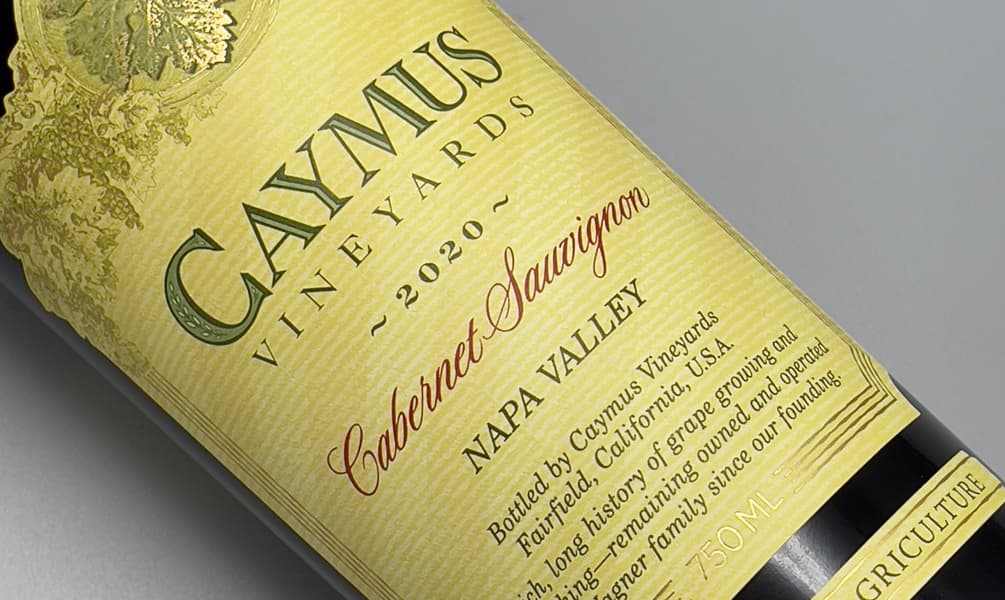
Caymus Wine Prices in 2026: Cost Breakdown by Style, Size & Vintage
Caymus is one of those Napa Valley wines that just gets people talking. Famous for its rich, velvety Cabernet Sauvignons, Caymus brings bold flavors with a touch of luxury—yet it’s still incredibly easy to enjoy. So, what makes Caymus stand out from the crowd? And how did this family-owned vineyard earn its place as one of Napa’s most talked-about wineries? From its history and winemaking style to prices, tasting notes, and pairings, here’s everything you need to know about Caymus wine.
The Caymus Vineyard Cabernet Sauvignon Blog Uncovers:
- What is Caymus Wine? A Family Legacy in Napa Valley
- Caymus Wine Prices: Napa Valley Cabernet vs. Special Selection
- How Does Aging Determine Caymus Cabernet Price?
- Factors Influencing the Caymus Wine Price
- Why is Caymus Cabernet Sauvignon so Expensive?
- Is Caymus Cabernet Sauvignon Worth Its Price?
- What Is So Special About Caymus Cabernet Sauvignon?
- The Caymus Approach to Winemaking
- Tasting Caymus: A Rich, Layered Experience
- Food Pairings to Bring Out the Best in Caymus
- Caymus’s Role in American Wine Culture
- The Lasting Appeal of Caymus
What is Caymus Wine? History & Family Legacy in Napa Valley
Caymus Vineyards started back in 1972 when Chuck Wagner and his parents decided to turn their Rutherford farmland into a vineyard. They kicked things off with just 250 cases of Cabernet Sauvignon, but it didn’t take long for wine lovers to catch on. Their dedication to quality and character in every bottle quickly drew a crowd, and before long, Caymus was known for its bold, unforgettable style. Even now, Caymus stays true to that family-driven spirit, blending tradition with a bit of innovation as it’s grown into a name recognized around the world.
Napa Valley has changed a ton since Caymus first got started. What used to be a quiet farming area has turned into a global wine hotspot. Yet, through all that change, Caymus Vineyards has stayed true to its roots. The winery’s bold, fruit-forward style captures the evolution of Napa while still preserving its heritage, balancing old-world charm with a fresh, modern touch.
Caymus Wine Prices and Notable Vintages
For those looking to bring Caymus into their collection, there are two main types of Cabernet Sauvignon:
- Caymus Napa Valley Cabernet Sauvignon: Priced around $80–$150, this flagship wine is crafted to be enjoyed young, though it can benefit from a few years of aging. It’s known for its accessible luxury, making it a popular pick for wine enthusiasts looking to experience Napa without breaking the bank.
- Caymus Special Selection Cabernet Sauvignon: This premium wine ranges from $160 to $500, depending on the vintage. It’s produced only in top years from the best barrels, offering a more elegant, complex profile than the standard Caymus Cabernet. This bottle is ideal for collectors or those looking for a standout Napa Cabernet.
Here is a table showcasing Caymus Wine prices:
When searching for Caymus wine price, you’ll find that it varies depending on the bottle and vintage.
| Wine | Average Price (2026) | Profile |
|---|---|---|
|
Caymus Napa Valley Cabernet Sauvignon |
$80 – $150 | Fruit-forward, smooth tannins, approachable when young; short-to-medium aging potential |
|
Caymus Special Selection Cabernet Sauvignon |
$160 – $500 | Crafted only in top vintages; rich, layered, collectible; excellent long aging potential |
|
Caymus Limited Releases |
$250 – $1,200+ | Rare and exclusive bottlings; includes older vintages and anniversary editions; highly sought after by collectors |
|
Caymus Magnum Cabernet Sauvignon (1.5L) |
$180 – $350+ | Large-format bottle; ages more gracefully; perfect for sharing or gifting |
|
Caymus Double Magnum Cabernet Sauvignon (3L) |
$400 – $800+ | Also called Jeroboam; impressive bottle size; ideal for celebrations and collectors |
|
Older Vintage Caymus Wines |
$500 – $2,000+ (depending on year) | Scarce supply of older Napa Valley and Special Selection vintages; prized for maturity, complexity, and rarity |
In addition to these mainstays, Caymus occasionally releases limited edition bottlings that can command even higher prices, particularly for older vintages. Recent vintages like the 2015, 2016, and 2019 Special Selections have received especially high praise, each showcasing a unique side of Caymus’s style.
How Does Aging Determine Caymus Cabernet Price?
When determining the cost of Caymus Cabernet Sauvignon, aging becomes a primary factor. The aging process allows the wine to achieve an amazing flavor profile, contributing to the complexity and enhancing its overall appeal. The 16 months aging process in oak barrels makes the wine’s flavor profile even richer by adding complexity, depth, and smoothness. As the wine continues to age, the tannins become softer, creating a fine and harmonious texture. Caymus Cabernet is renowned for its aging potential, allowing flavors to refine over time. This well-aging ability combined with the limited availability of aged bottles affects the price of Caymus Cabernet.
Factors Influencing the Caymus Wine Price
Caymus Cabernet Sauvignon price is affected by many factors that contribute to the wine's exceptional quality and flavor profile:
- Terroir: Caymus Cabernet Sauvignon results from the amazing terroir that Napa Valley offers. With its Mediterranean climate of hot days and cool nights, the grapes retain high acidity and ripen slowly, developing complex flavors, while the soil adds minerality.
- Vintage: Wines produced in exceptional vintages are typically priced at the higher end. The quality of the wine is also influenced by growing conditions, making certain vintages more costly than others. However, even average bottles of Caymus Cabernet can command higher prices due to the brand’s reputation.
- Size: The size of the bottle contributes to the cost of Caymus Cabernet. Large format Wine bottles— Magnum (1.5L) and Jeroboam (3L)—require different glass sizes for production, increasing production costs. Larger bottles are also rare and produced in small quantities, making them more exclusive and priced higher. Additionally, large bottles age more slowly, adding to their complex flavor profile.
These factors, along with the wine's impressive aging potential and the brand's commitment to exceptional quality, contribute to the cost of Caymus Cabernet Sauvignon.
Why is Caymus Cabernet Sauvignon so Expensive?
Caymus Napa Valley Cabernet Sauvignon is known for its premium price due to a variety of reasons. To start with, the exceptional quality of the wine’s fruit. The Wagner Family has its traditional farming roots in Napa Valley, and due to its access to some of the best vineyards, mainly in the Rutherford District, with an ideal terroir required for Cabernet Sauvignon. The wine's deep and rich taste is the result of high-quality fruit. The Wagner family has been mastering the winemaking process since Caymus's inception in 1972, ensuring a dedication to excellence and building a reputation for continuously producing some of the best wines, which has contributed to Caymus wines' premium price.
Caymus Napa Valley Cabernet Sauvignon owes its strong brand identity and consumer loyalty. Critics have consistently awarded 90+ ratings to the wine, making it a top choice among wine drinkers. Wine enthusiasts often choose it without even consulting a wine list, a testament to the brand's loyal following. Its fruit-forward, juicy profile and food-friendly nature make it a go-to for many, particularly for special occasions or date-night splurges, adding to Caymus Cabernet Sauvignon's higher price.
Due to its limited production, maintaining the exclusive nature of the wine, though not as much expensive, the Caymus Cabernet still gets positively affected by the reputation of the brand. However, increases in prices owing to inflation have not affected the demand at all. Consumers are ready to pay for fine quality wine that offers consistent quality.
Is Caymus Cabernet Sauvignon Worth Its Price?
For many wine lovers, the answer is yes. Caymus Cabernet Sauvignon is renowned for its high quality and well-regarded for its rich flavor profile, silky texture, and consistent performance across vintages that it is produced in. To answer whether it’s considered worth the price totally depends on personal preferences and priorities.
Reasons Caymus is worth it:
- Quality: Napa Valley is known for its exceptional Cabernet Sauvignon, which contributes to the flavor profile of Caymus that tastes of bold fruit flavors, balanced tannins, and a velvety finish. Owing to the region's terroir, the wine gets its depth and character.
- Consistency: Caymus is qualified as an exceptional wine for its consistency. The winery guarantees producing high-quality and reliable wines each year. Most vintages are well received, ensuring that buyers receive the best possible bottles.
- Aging Potential: Caymus Cabernet wines have good aging potential. The wine develops its flavor as it ages, resulting in a more complex wine.
- Price Point: The cost of Caymus Cabernet Sauvignon is higher compared to other Napa Valley Cabs, which may pose some questions regarding its value compared to alternatives.
- Market Judgment: Some wine connoisseurs believe that the brand’s reputation can significantly lead to a rise in the price of Caymus Cab, also noting that there are other wines that can offer similar quality at a lower price.
In conclusion, whether Caymus Cabernet Sauvignon is worth its price depends on personal budget and preference. If someone is a fan of the wines that Napa Valley has to offer, then it is considered a good investment, whereas lower-cost alternatives may provide similar quality.
What Is So Special About Caymus Cabernet Sauvignon?
There’s just something about Caymus Cabernets that grabs you from the first sip. These wines are bold and fruit-forward, delivering that luxurious feel while still being easy to enjoy. Unlike many Cabernets that need years to really come into their own, Caymus makes wines you can open and love right away—though they only get better with time.
The secret lies in Caymus’s “hang time” technique, where grapes are left to ripen on the vine for longer than usual. This extra ripening period brings out intense flavors of ripe blackberries, cassis, and plum, along with velvety tannins that give each sip a smooth, lush feel. Another hallmark of Caymus is its balance of richness and refinement—each bottle delivers a deep, layered experience without overwhelming the palate. Whether it’s the classic Napa Valley Cabernet or the prestigious Special Selection, Caymus offers a taste of Napa’s best, with a warmth and elegance that make it a favorite for both collectors and casual wine drinkers alike.
The Caymus Approach to Winemaking
At Caymus, winemaking is all about creating wines that people love from the first sip. The vineyard’s unique approach to ripening is part of what gives Caymus its signature style. By letting the grapes hang on the vine a little longer than usual, the Wagners achieve bold, layered flavors and that famously smooth, full-bodied feel. And there’s more to what makes Caymus special—they source grapes from some of Napa’s best areas, like Rutherford, Oakville, and St. Helena. Each spot has its own character, which lets Caymus blend a little bit of everything Napa has to offer into a style that’s all their own.
One of the crown jewels of their collection is the Caymus Special Selection. Crafted only in the best years from the vineyard’s finest barrels, it’s the only wine to ever receive Wine Spectator’s “Wine of the Year” honor twice. This standout bottle embodies everything Caymus stands for: quality, depth, and a touch of Napa Valley luxury. And if you’re looking to enjoy Caymus with a touch of elegance, the Caymus Cabernet Sauvignon Magnum with Golden Gift Basket makes any occasion feel just a bit more special.
Tasting Caymus: A Rich, Layered Experience
From the very first sip, Caymus wines pull you into a whole world of flavor. Their Napa Valley Cabernet Sauvignon opens up with inviting aromas of dark berries, vanilla, and a hint of cocoa. Then, as you taste it, you get layers of ripe blackberry, cassis, and plum, balanced out with touches of mocha, licorice, and a little toasted oak. It’s complex but smooth, with a long, velvety finish that makes it feel indulgent yet approachable. It’s the kind of wine that works just as well for a big celebration as it does for a cozy evening at home.
The Caymus Special Selection Cabernet Sauvignon kicks things up a notch, delivering even deeper flavors. Crafted from Caymus’s top barrels and aged longer, it brings out bold black fruit flavors with hints of espresso, leather, and spices. The result is a wine that’s complex, structured, and rich, perfect for savoring alongside hearty dishes like braised short ribs or a perfectly cooked steak. If you’re planning a special evening or want to share Caymus with friends, the Caymus Wine and Cheese Gift Basket makes a thoughtful pairing to enjoy together.
Food Pairings to Bring Out the Best in Caymus
One of the best things about Caymus wines is how versatile they are with food. With their bold, rich flavors, these wines can stand up to dishes that are equally packed with flavor. Here’s what pairs best with each of Caymus’s main wines:
- Caymus Napa Valley Cabernet Sauvignon: This wine’s easygoing style makes it a great match for roasted meats like lamb or beef, hearty pastas with mushrooms or truffles, and rich cheeses for charcuterie. It’s perfect for dinners with friends or special gatherings, pairing beautifully with all kinds of warm, comforting flavors.
- Caymus Special Selection: This wine has a lot of depth and complexity, so it calls for dishes that can hold their own, like a juicy filet mignon, braised short ribs, or even game meats.
These pairings bring out the best in Caymus, making every meal feel just a little more special. If you’re giving Caymus as a gift or planning a wine-focused evening, the Caymus Wine and Cheese Gift Basket adds a thoughtful touch, with artisan cheeses that balance and highlight the wine’s flavors. For more delicious ideas, check out our guide to food and wine pairings that elevate every sip.
Caymus’s Role in American Wine Culture
Caymus holds a special place in American wine culture. It’s a name that both collectors and casual wine drinkers know—a wine with a personality that doesn’t feel pretentious. But with that popularity comes a bit of controversy. Caymus’s rich, fruit-forward style has made it a staple in high-end restaurants and wine bars, though it gets mixed reactions from critics. Some think its bold, approachable flavors appeal too much to popular tastes, while others love it for how it connects with people.
Chuck Wagner has said that Caymus isn’t made to please everyone. It’s for those who enjoy a rich, layered wine that brings people together. That “relaxed luxury” vibe is part of what makes Caymus so special. It’s not just about tasting notes or scores; it’s about good moments with good company. Whether new to wine or a seasoned collector, Caymus is easy to enjoy and appreciate.
Where to Buy Caymus Wine Online
Caymus wines are available through select wine retailers, luxury shops, and winery partners—but the easiest way to enjoy or gift Caymus is right here at Wine & Champagne Gifts.
Popular options include:
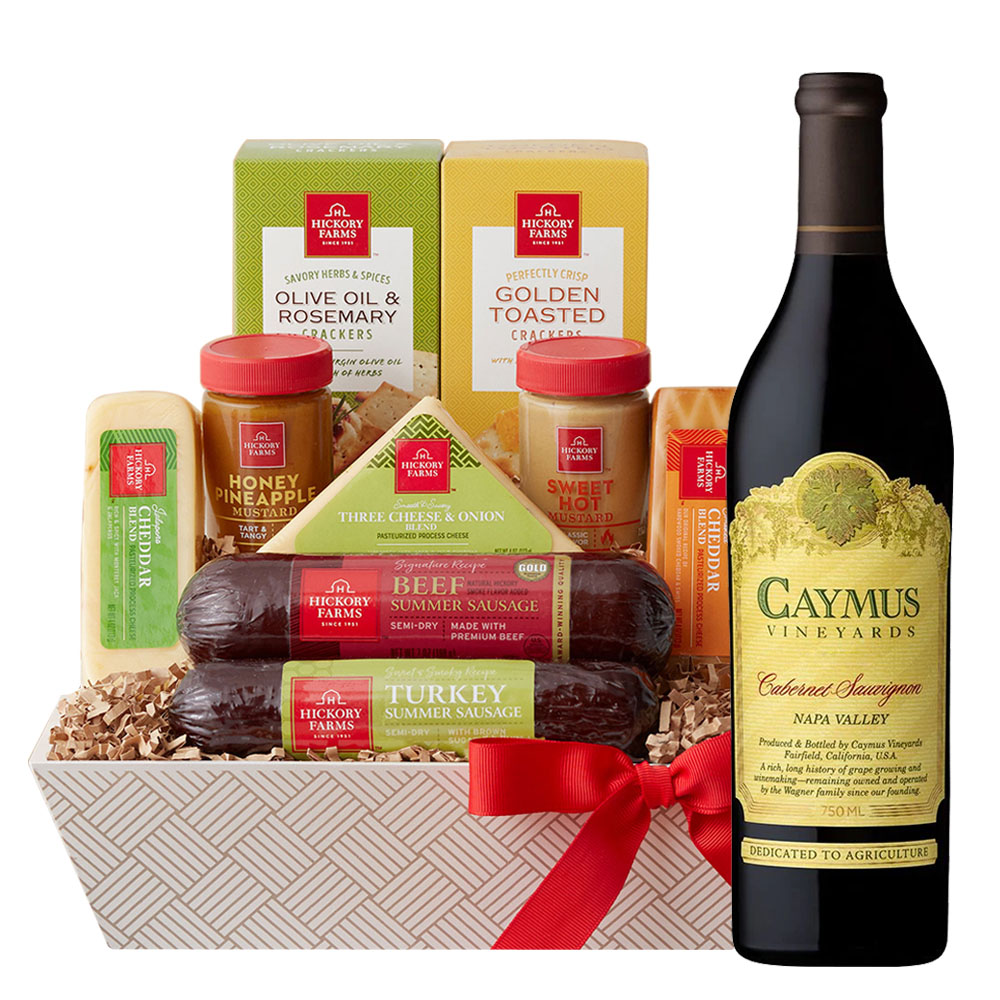
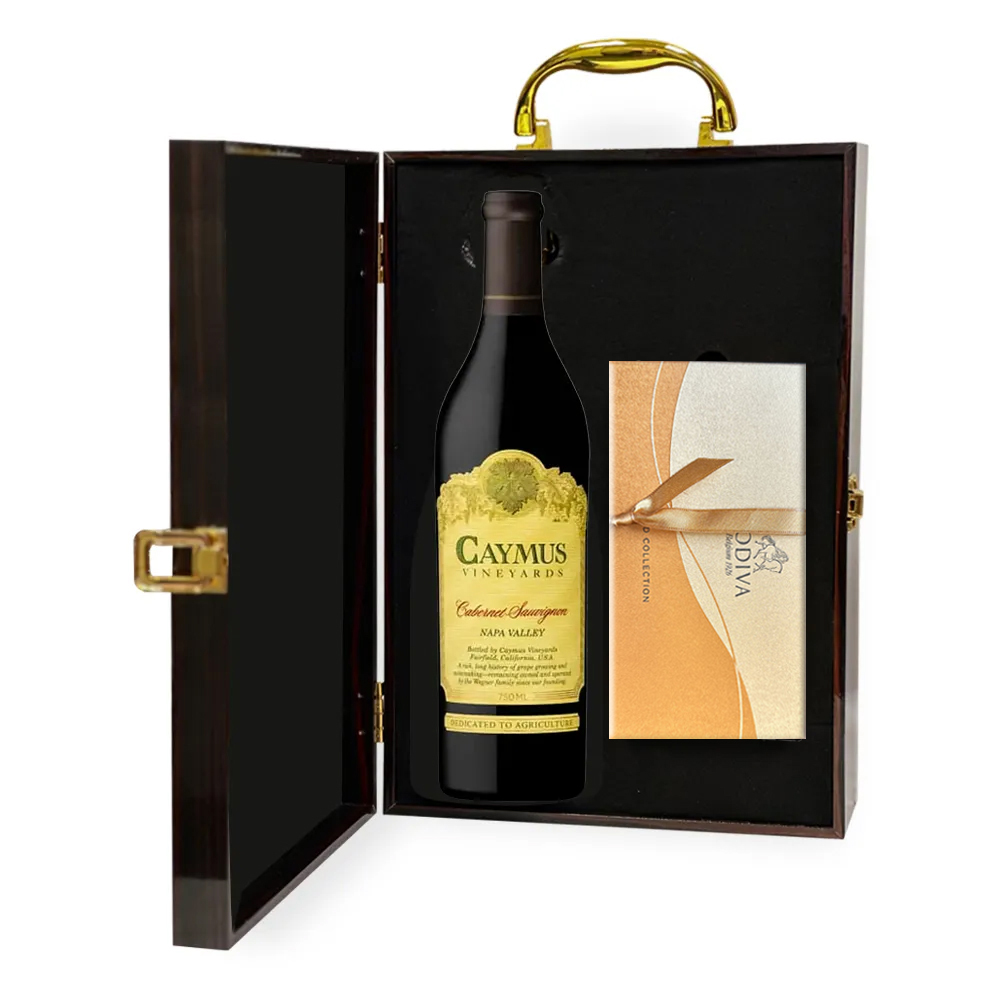
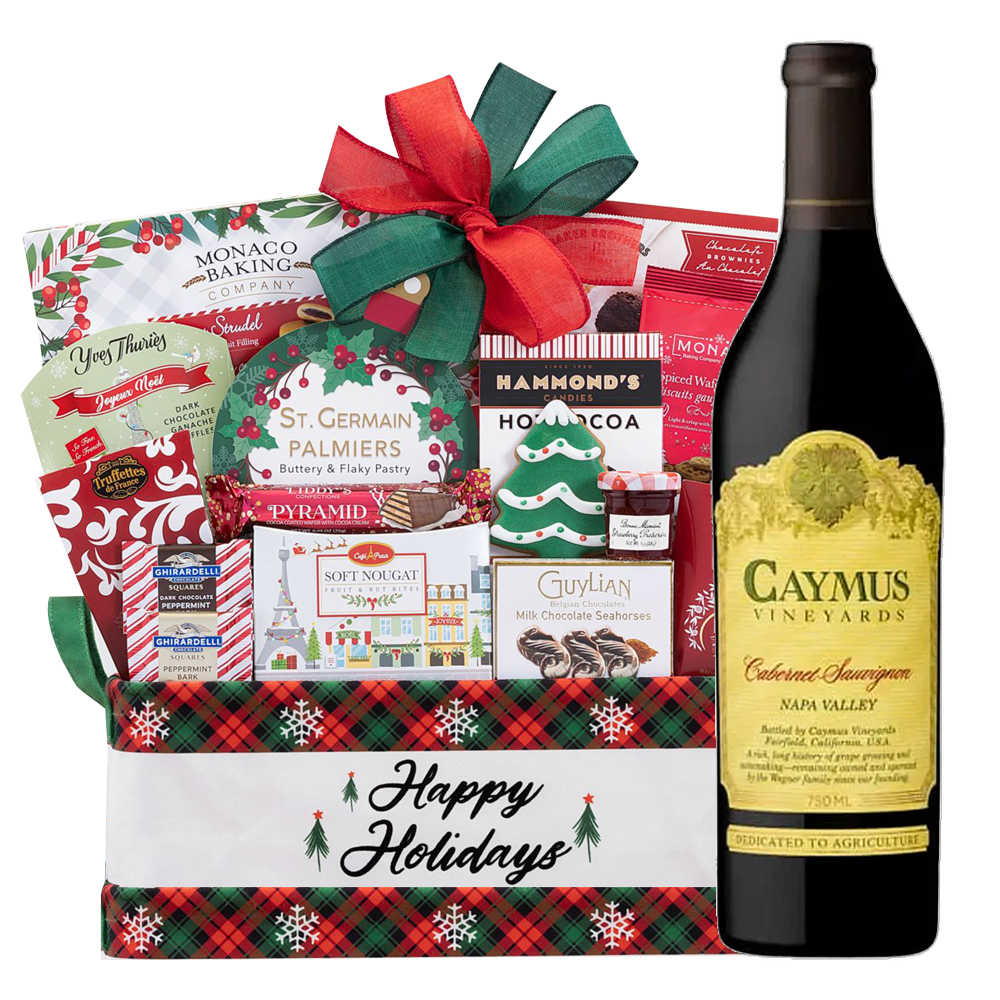
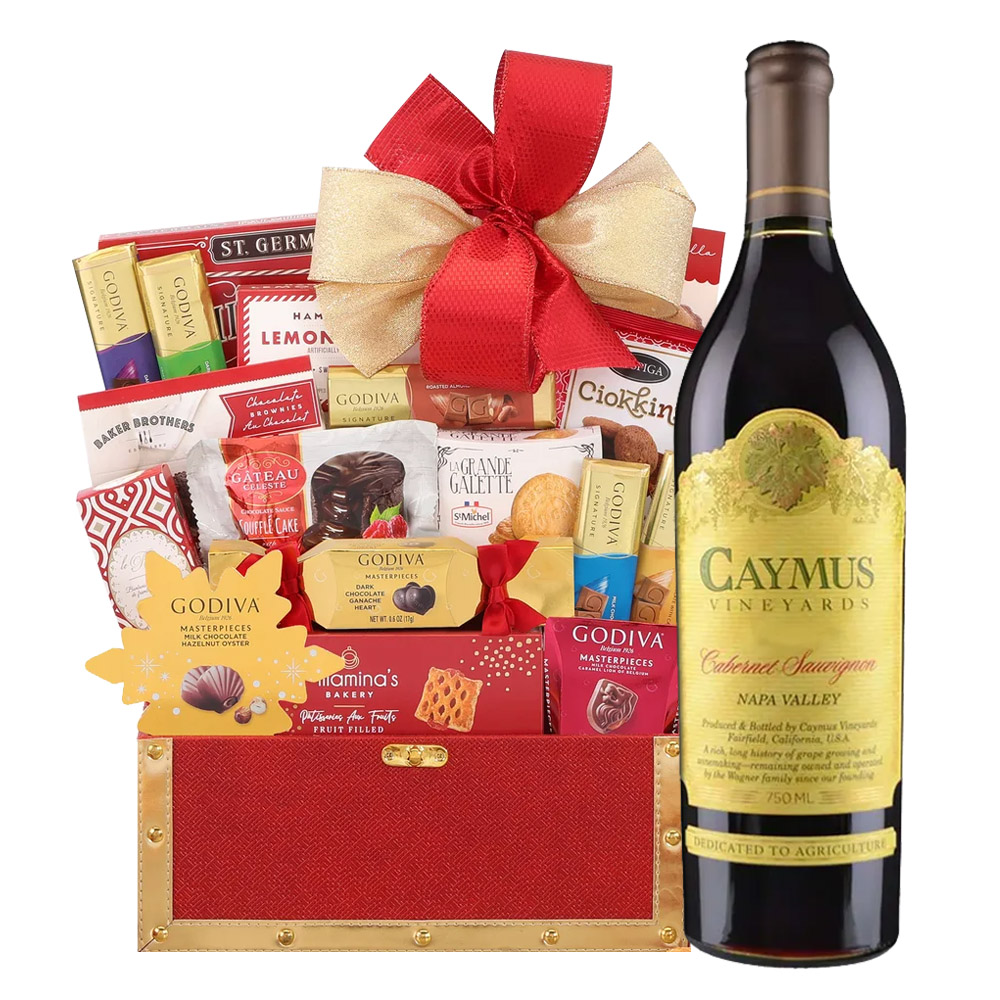
We don’t just offer bottles—we go beyond the bottle. Our Caymus Wine Gift Baskets combine this world-renowned Napa Cabernet with gourmet pairings like artisan cheeses, fine chocolates, and elegant keepsakes. Whether you’re celebrating a milestone, sending thanks, or surprising a wine lover, our baskets add a touch of luxury to every occasion.
When you shop with Wine & Champagne Gifts, you’re not just buying a bottle—you’re sending a full experience. Each Caymus Wine Gift is thoughtfully designed to delight, making Caymus even more memorable.
The Lasting Appeal of Caymus
Wine trends come and go, but Caymus has a way of staying both timeless and totally relevant. With its rich, bold, and approachable wines, Caymus has become a true Napa Valley classic that people just keep coming back to. Even with new boutique wineries popping up and trends like natural wine on the rise, Caymus holds its own by making wines that genuinely connect with people. For anyone who loves a great Napa Cabernet, Caymus is often a top choice.
In a world where wine can sometimes feel exclusive, Caymus brings a touch of luxury that feels warm and genuine. It’s a wine you can share with friends, bring to a gathering, or open on a quiet night at home and know you’ll enjoy. If Caymus has sparked a love for rich, lush wines, there’s a whole world of Napa Valley wines waiting to be explored. Whether it’s a bottle from Caymus or another Napa gem, each glass brings a taste of this beautiful wine region into your home.

Is Moet & Chandon a Good Champagne? Discover the Legacy, Quality, and Allure
Champagne epitomizes luxury and celebration, but with so many options, choosing the perfect bottle can be daunting. Moët & Chandon stands out among the most prestigious champagne brands worldwide, frequently associated with grand events and sophisticated occasions. Its name is synonymous with elegance, making it a staple in high society and popular culture alike.
But what truly sets Moët & Chandon apart? Is it merely a symbol of prestige, or does it offer genuine quality and craftsmanship? In this article, we’ll explore the brand’s illustrious history, unique features, and assess whether Moët & Chandon lives up to its celebrated status. From its origins in the Champagne region to its current range of offerings, we’ll examine what makes Moët & Chandon exceptional.
We’ll delve into the elements of its production and the qualities that contribute to its renowned reputation. Join us as we uncover the story behind this iconic champagne brand and determine if Moët & Chandon is as remarkable as its esteemed reputation suggests. Discover whether this champagne truly lives up to its status as a symbol of luxury and excellence.
This Moët & Chandon Blog Covers:
- Best Moët & Chandon Champagne
- History of Moët & Chandon Brand
- The Winemaking Process
- Moët’s Brand Reputation
- What Do Experts and Critics Say?
- How Does Moët Compare to Other Champagnes?
- Popularity vs. Prestige
- Moët’s Influence on Popular Culture
- Pricing: Is Moët Worth the Cost?
- Final Thoughts: Is Moët Really a Good Champagne?
Best Moët & Chandon Champagne
Moët & Chandon’s broad appeal is a testament to its diverse range of champagne offerings, each crafted to cater to various tastes and occasions. Among its standout selections, the most notable & Good Moët champagnes include:
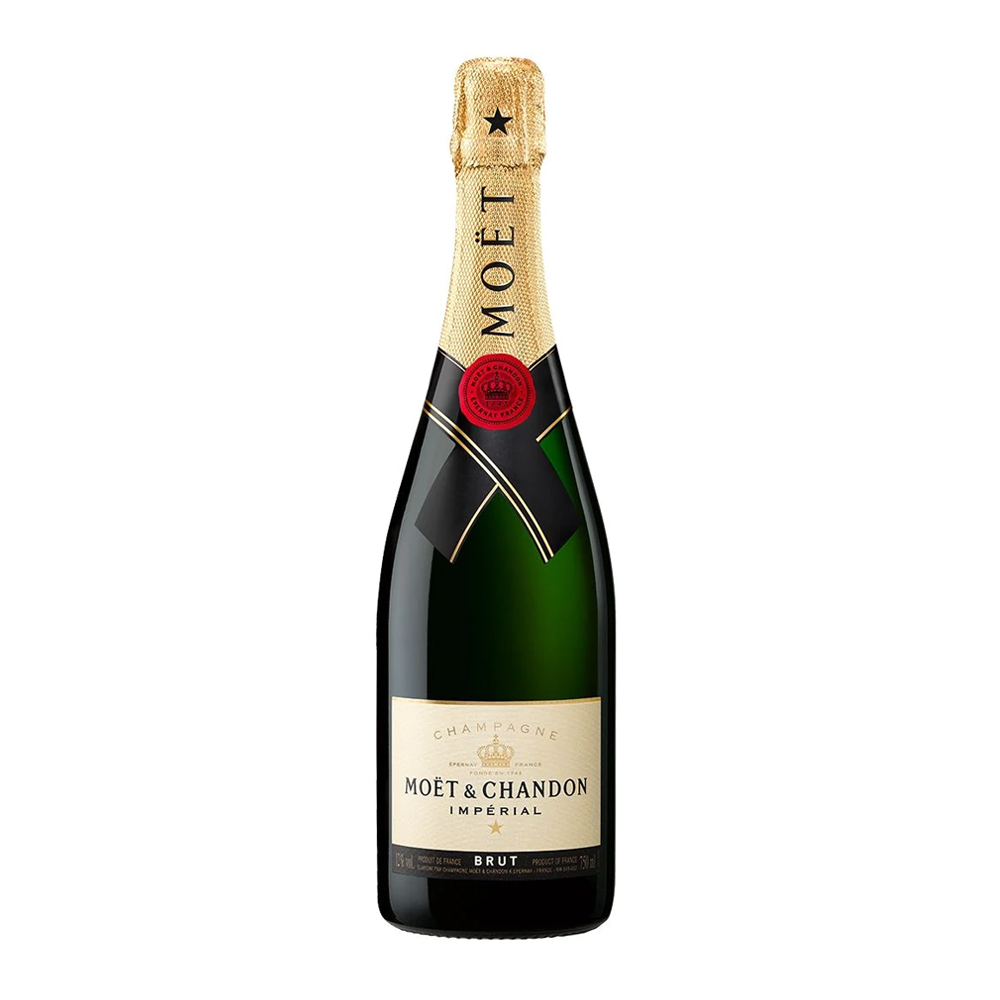
Appearance: Pale Straw, Fine Bubbles
Dosage: 9 G/L
Flavor Profile: Vibrant, Fruity, Subtle Toasty Notes
Aging Potential: 3-5 Years
Food Pairing: Shellfish, White Fish, Light Pasta
Serving Temperature: 46.4°F-50°F
Best Moët Champagne For: Weddings, Festive Gatherings, Toasting Success
Buy Online
Since its introduction in 1869, Moet & Chandon Imperial Brut has been a global symbol of celebration. This non-vintage Champagne blends over 100 different wines, with a dominant focus on Pinot Noir, creating a well-rounded balance between brightness and body. Its complexity comes from the inclusion of 20-30% reserve wines, ensuring consistent quality in every bottle.
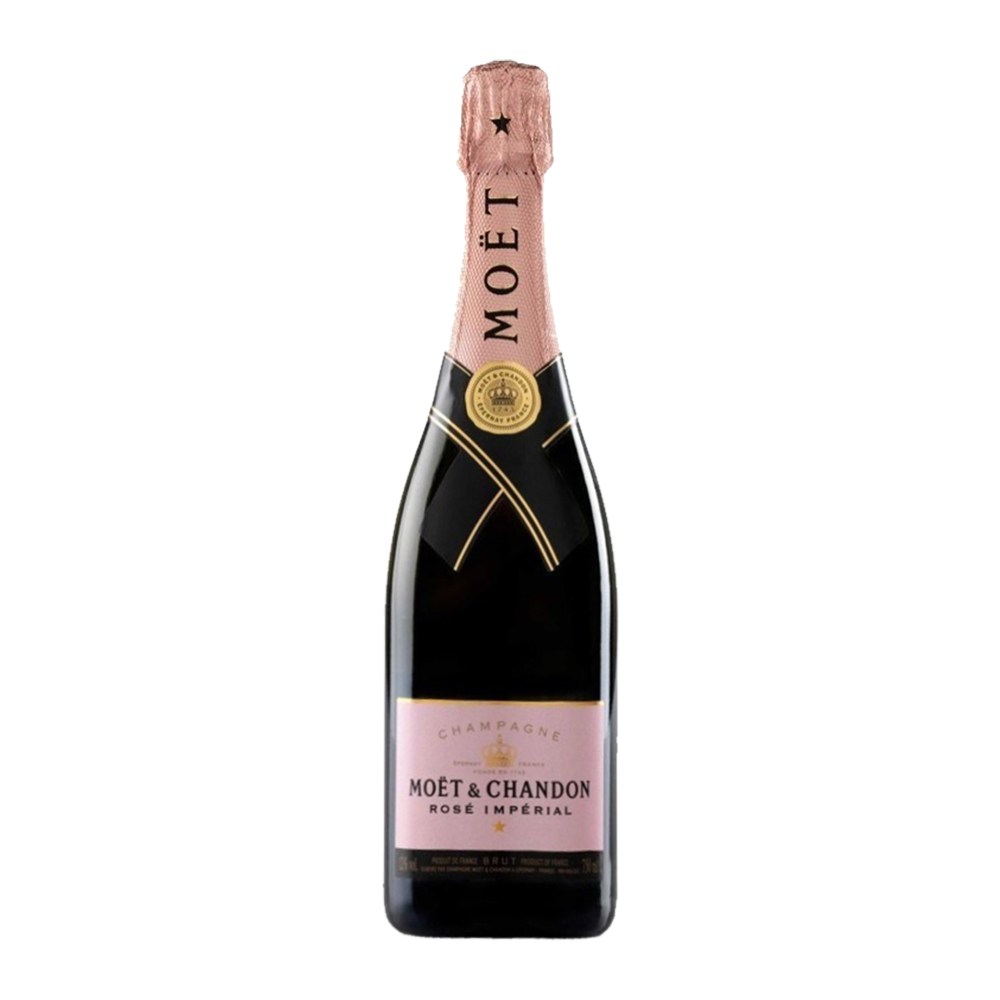
Appearance: Pink, Amber Highlights, Fine Bubbles
Dosage: 9 G/L
Flavor Profile: Red Fruits, Floral, Subtle Pepper
Aging Potential: 3-5 Years
Food Pairing: Grilled Meats, Red Fruit Desserts, Charcuterie
Serving Temperature: 46.4°F-50°F
Good Moët Champagne For: Romantic Dinners, Summer Events, Garden Parties
Buy Online
The Moet & Chandon Rosé Imperial Brut is an expression of intensity and freshness, released in the 1990s. Crafted from a blend dominated by Pinot Noir with a touch of Pinot Meunier and Chardonnay, this vibrant rosé offers bold fruity flavors balanced with a delicate structure, making it an alluring choice for celebrations.
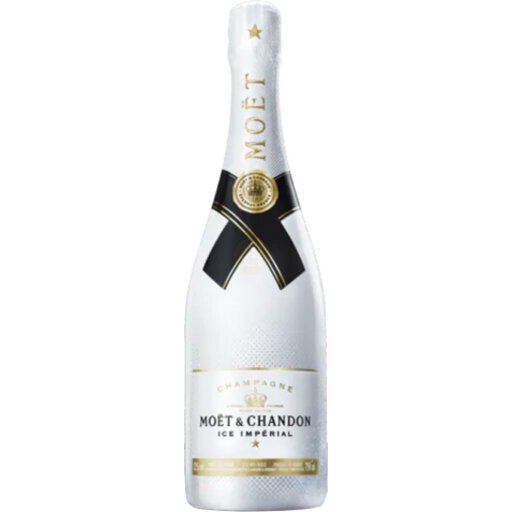
Appearance: Bright Gold, Large Bubbles
Dosage: 45 G/L
Flavor Profile: Tropical Fruits, Sweetness, Hints of Mint
Aging Potential: 2-3 Years
Food Pairing: Fresh Fruits, Salads, Light Desserts
Serving Temperature: 42°F-46°F (Serve with Ice)
Best Moët Champagne For: Poolside Parties, Picnics, Outdoor Celebrations
Buy Online
Introduced in 2011, Moet & Chandon Ice Imperial was designed to be enjoyed over ice, a revolutionary concept for Champagne. With its higher dosage, this demi-sec Champagne presents an exciting tropical and rich sweetness, perfect for outdoor festivities and summer moments.
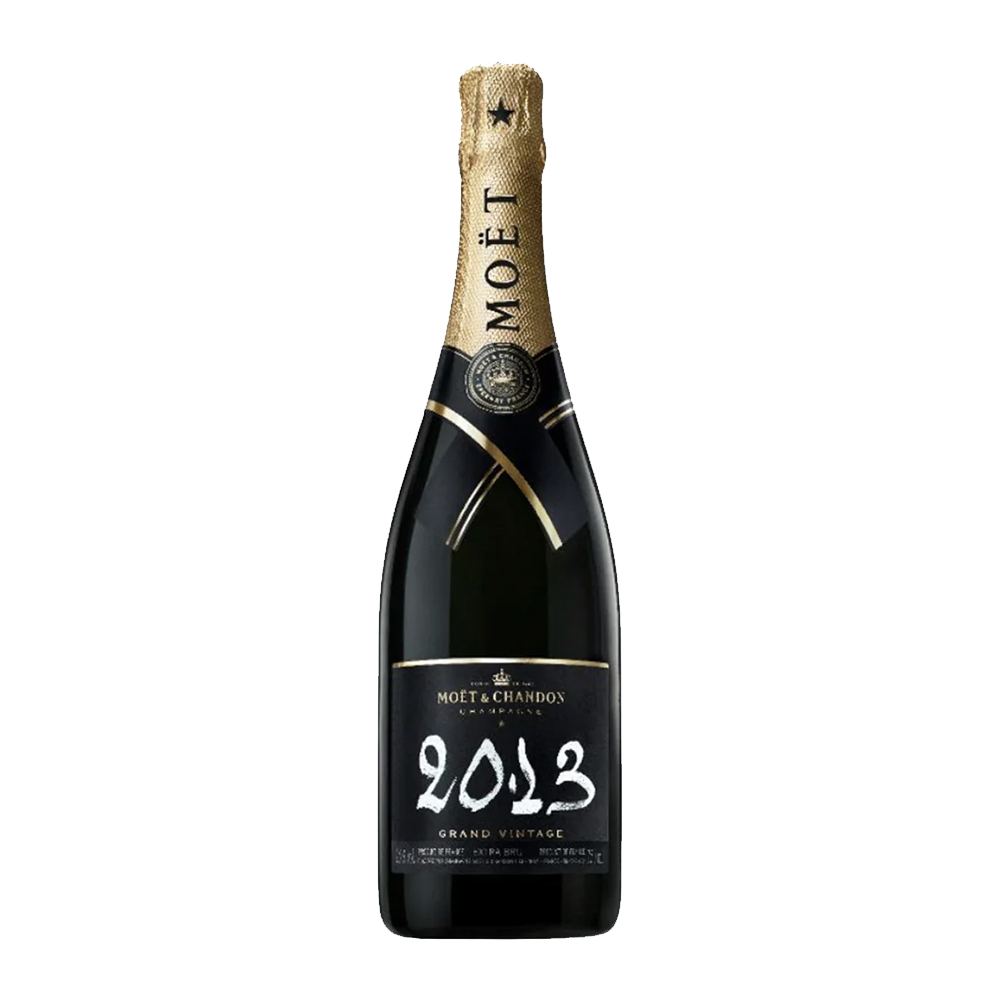
Appearance: Pale Gold, Delicate Bubbles
Dosage: 5 G/L
Flavor Profile: Citrus Zest, Brioche, Mineral Notes
Aging Potential: 10+ Years
Food Pairing: Lobster, Veal, Hard Cheeses
Serving Temperature: 46.4°F-50°F
Good Moët Champagne For: Formal Dinners, Vintage Celebrations, Collector’s Tastings
Buy Online
The Moet & Chandon Grand Vintage 2013 celebrates unique vintage qualities, released only in exceptional years. This Extra Brut Champagne is made with grapes exclusively from the 2013 harvest, delivering a mature, complex, and refined taste with a lower dosage, showcasing the purity of the vintage.
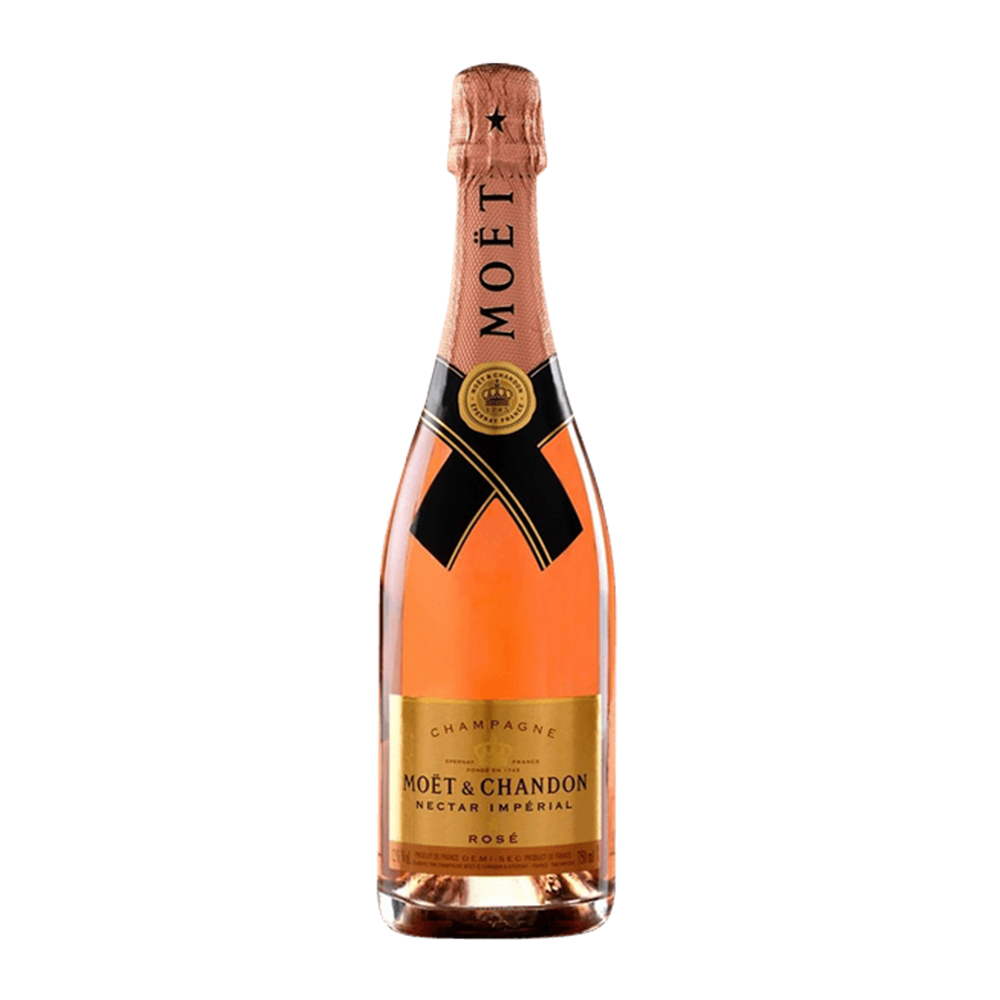
Appearance: Bright Pink, Coppery Hues, Lively Bubbles
Dosage: 45 G/L
Flavor Profile: Ripe Berries, Lush Sweetness, Hints of Spices
Aging Potential: 3-5 Years
Food Pairing: Spicy Cuisine, Fruit Tarts, Blue Cheese
Serving Temperature: 46.4°F-50°F
Top Moët Champagne For: Sunset Celebrations, Bold Flavors, Indulgent Moments
Buy Online
Launched in the early 2000s, Moet & Chandon Nectar Imperial Rosé is a semi-sweet rosé that stands out for its intense fruitiness and richness. Blended from predominantly Pinot Noir, this luscious Champagne offers a perfect harmony of bold fruit, sweetness, and vibrant bubbles.
These different styles allow Moët & Chandon to cater to diverse preferences, from those who enjoy classic Brut styles to those with a preference for sweeter or rosé champagnes.
History of Moët & Chandon
Founded in 1743 by Claude Moët, Moët & Chandon is one of the oldest and most prestigious champagne houses in the world. The company quickly gained a reputation for producing high-quality sparkling wines, and by the 18th century, it had secured its place as the favored champagne among European aristocracy. Notably, Moët was a favorite of Napoleon Bonaparte, and the brand became intertwined with European high society.
Moët & Chandon also played a significant role in the development of champagne as a drink of celebration. In 1962, Moët became the first champagne house listed on the Paris Stock Exchange, symbolizing its commercial success and growing global presence. Today, it is part of the luxury conglomerate LVMH (Moët Hennessy Louis Vuitton), and it continues to thrive as a brand known for producing a wide variety of champagnes.
The Winemaking Process
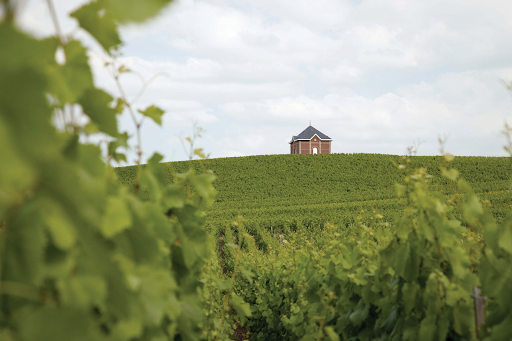
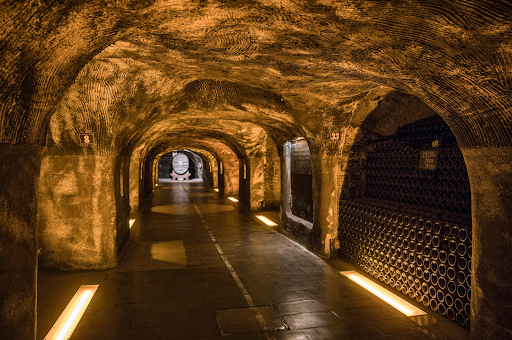
A Legacy of Precision and Expertise
Moët & Chandon’s winemaking process is a testament to its legacy of precision and expertise, refined over centuries. The champagne house draws from an extensive vineyard portfolio, spanning over 1,000 hectares in the renowned Champagne region of France. Notably, a significant portion of these vineyards are classified as Grand Cru and Premier Cru, representing the pinnacle of Champagne's quality tiers.
Key Grape Varieties
At the heart of Moët & Chandon’s champagne are three primary grape varieties, each contributing distinct characteristics:
- Chardonnay: This grape imparts elegance and freshness, enhancing the champagne's crispness and finesse.
- Pinot Noir: Known for adding body and structure, Pinot Noir provides depth and complexity to the blend.
- Pinot Meunier: This variety introduces a fruity and round profile, balancing the other components with its richness.
Traditional Methods and Craftsmanship
The cellar master at Moët & Chandon meticulously oversees the blending of these grapes to ensure consistency and uphold the brand’s signature style. The traditional méthode champenoise is employed, where the second fermentation occurs in the bottle. This process is essential for creating the champagne’s distinctive, effervescent bubbles.
The Role of Aging
Aging is a critical aspect of Moët & Chandon’s production. Moët Impérial, the house’s iconic non-vintage champagne, is aged for approximately 24 months. This aging period allows the champagne to develop its characteristic flavor profile while maintaining its freshness. In contrast, the Grand Vintage champagnes undergo a more extended aging process, with a minimum duration of five years. This prolonged maturation imparts a deeper complexity and richness, showcasing the intricate flavors that are highly sought after by connoisseurs.
Preserving Heritage and Quality
Through this careful and time-honored process, Moët & Chandon not only preserves its prestigious heritage but also continues to deliver champagnes of exceptional quality, resonating with both traditional and contemporary tastes.
Moët’s Brand Reputation
Moët & Chandon has positioned itself as a luxurious, yet accessible champagne brand. It is known for its widespread availability, but this has led some to question whether its quality lives up to its reputation.
On the positive side, Moët is often associated with high-end events, from celebrity parties to prestigious sporting tournaments like the French Open and Formula 1. Its brand image is one of glamour and celebration, making it a popular choice for those looking to make a statement with their beverage selection.
However, there are critics who argue that Moët’s mass-market presence compromises its exclusivity. Because it produces such a high volume of champagne, some suggest that it lacks the artisanal touch of smaller champagne houses that focus on limited production runs and handcrafted techniques.
What Do Experts and Critics Say?
Moët & Chandon garners a spectrum of opinions from champagne experts and critics, reflecting its broad appeal and established reputation. While it is widely recognized for its consistency and quality, particularly with flagship offerings like Moët Impérial, there are varying perspectives on its depth and character.
Positive Reviews:
Renowned wine critic James Suckling highlights Moët Impérial for its bright fruitiness and smooth texture, praising it as an excellent choice for everyday celebrations. This endorsement underscores Moët’s ability to deliver a reliable, high-quality champagne suitable for a variety of occasions.
Decanter also sings the praises of Moët & Chandon Grand Vintage line, especially noting well-regarded vintages like 2008 and 2012. The publication commends these champagnes for their richness and depth, reflecting the craftsmanship and expertise that elevate them above standard offerings.
Criticism:
Despite these accolades, some critics argue that Moët & Chandon’s mass production can lead to a more commercial and less distinctive product compared to boutique or artisanal champagnes. This perspective suggests that while Moët & Chandon excels in consistency, it may lack the nuanced character and unique qualities found in smaller, independent champagne houses.
Enthusiasts seeking a more personalized or distinctive champagne experience might therefore consider exploring lesser-known producers, which often offer a more tailored and unique tasting journey.
In short, while Moët & Chandon enjoys significant acclaim for its quality and consistency, it also faces criticism for its commercial nature, prompting some to seek out more artisanal options for a different kind of champagne experience.
Comparing Moët & Chandon to Its Peers
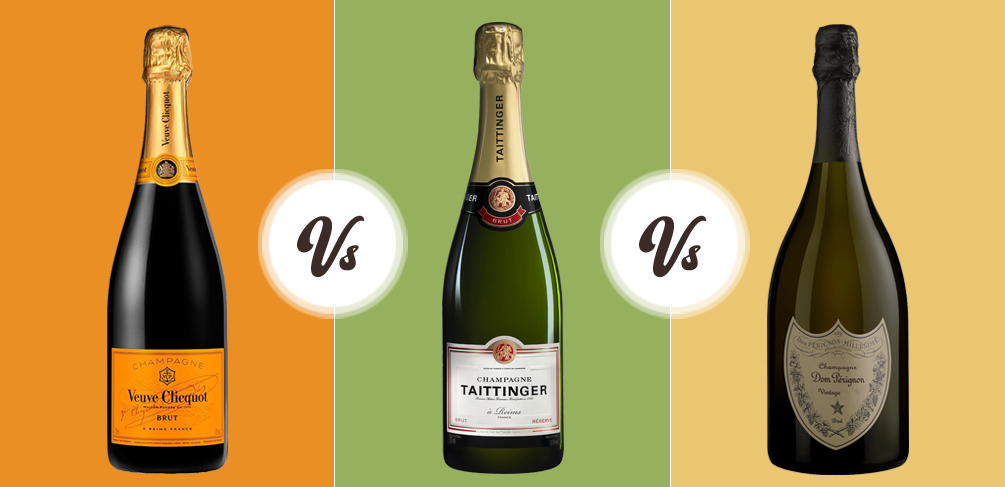
In the world of champagne, comparisons are inevitable as each major house brings its own unique characteristics to the table. Moët & Chandon’s primary competitors include Veuve Clicquot, Taittinger, and Dom Pérignon (also owned by Moët Hennessy). Each of these brands has distinct strengths, and preferences often come down to individual taste.
Veuve Clicquot is renowned for its full-bodied style and rich, toasty flavors. This makes it a favorite among those who enjoy a more robust champagne. Its signature richness is achieved through a high proportion of Pinot Noir in the blend, which adds depth and complexity.
Taittinger is celebrated for its elegant and lighter style, with a notable emphasis on Chardonnay. This focus imparts delicate, floral notes and a refined freshness. Taittinger’s champagnes are often preferred by those who appreciate a more subtle, nuanced profile.
Dom Pérignon, Moët & Chandon’s sister brand, is synonymous with premium prestige and sophistication. Known for its vintage-only offerings, Dom Pérignon delivers a complex and refined experience. Its limited production and meticulous aging process contribute to its esteemed reputation and higher price point.
Accessibility and Popularity
Moët & Chandon distinguishes itself through its widespread availability. As one of the most accessible premium champagnes, it is commonly found in restaurants, hotels, and even airports. This extensive presence is both a testament to its broad appeal and a point of contention for those seeking a more exclusive champagne experience.
In essence, while Moët & Chandon is a celebrated choice for its consistency and wide availability, its competitors offer alternative profiles that cater to different preferences, from robust and toasty to elegant and refined.
Popularity vs. Prestige
One of the interesting aspects of Moët & Chandon is the balance it strikes between popularity and prestige. On one hand, Moët is undeniably one of the most well-known champagne brands in the world, but on the other hand, this very popularity has led some to view it as a more mainstream, commercialized product.
For many, the appeal of Moët lies in its name recognition and the sense of luxury it conveys. However, wine enthusiasts who seek out rare or boutique champagne may look past Moët in favor of smaller producers with a more exclusive, artisanal approach.
This dichotomy between mass appeal and the search for something unique often defines the debate surrounding Moët. While it may not be as niche as other brands, its consistent quality and history make it a reliable choice for many.
Moët’s Influence on Popular Culture
Moët & Chandon has crafted an indelible mark on popular culture, elevating itself beyond a mere luxury champagne to a symbol of opulence and celebration. Its name has become synonymous with moments of grandeur, gracing film festivals, music, and high-profile events with an air of sophistication and indulgence.
The champagne’s allure is poetically captured in its cultural ubiquity. Iconic rapper Jay-Z’s nod to Moët in his song "Show Me What You Got" transforms the brand into a lyrical emblem of success and extravagance. This reference positions Moët as a symbol of achieving dreams and savoring triumphs.
Moët & Chandon’s golden bottles frequently appear in Hollywood’s glamorous tapestry, where their shimmering presence adds a touch of splendor to red carpets and after-parties. In film, champagne is often depicted as the drink of choice for celebratory moments, embodying the essence of high society and the magic of cinema.
The brand’s prominence at prestigious awards shows and lavish gatherings reinforces its role as a beacon of celebration. Its distinct golden hue and elegant branding transform any event into a spectacle of luxury and festivity, making Moët & Chandon not just a drink, but a statement of excellence and sophistication.
Pricing: Is Moët Worth the Cost?
Moët & Chandon champagne price falls within the mid-range spectrum of the market. A standard bottle of Moët Impérial typically costs between $50 and $60, while the Grand Vintage champagne can range from $80 to $120 per bottle, depending on the vintage.
When assessing whether Moët & Chandon champagne is worth the cost, it’s essential to consider both its quality and brand prestige. Moët Impérial, as a non-vintage champagne, offers a consistent and enjoyable experience that many find reliable for celebrations. However, some critics argue that smaller, artisanal champagne houses might provide better value for a similar price, with more distinctive characteristics.
For those who value the brand's renowned status and seek a dependable choice for various occasions, Moët & Chandon is a solid investment. Its established reputation and reliable quality make it a best champagne brand. On the other hand, wine connoisseurs in search of unique expressions of terroir and exceptional craftsmanship might find more intriguing options among lesser-known producers.
Final Thoughts: Is Moët Really a Good Champagne?
So, is Moët a good champagne? The answer depends on what you’re looking for.
If you value consistency, brand recognition, and a champagne that delivers a reliably pleasant experience, then Moët & Chandon is an excellent choice. It may not offer the artisanal intricacies of smaller champagne houses, but it provides a level of quality that is hard to beat for its price and availability.
For the casual drinker or those new to champagne, Moët is a safe bet that combines elegance with accessibility. However, for seasoned champagne aficionados looking for unique expressions of terroir and winemaking, it may be worth exploring other, smaller producers alongside enjoying Moët’s flagship offerings.
For the casual drinker or those new to champagne, Moët is a safe bet that combines elegance with accessibility. If you’re interested in understanding how to drink champagne to fully appreciate its flavors and aromas, consider checking out our detailed guide on this topic. However, for seasoned champagne aficionados looking for unique expressions of terroir and winemaking, it may be worth exploring other, smaller producers alongside enjoying Moët’s flagship offerings.
Ultimately, Moët & Chandon has earned its place as a champagne icon—and for good reason. Whether or not it’s the best champagne is a matter of personal taste, but there’s no denying that it’s one of the most important names in the world of sparkling wine. Moët champagne is a good gift, making it a perfect choice for celebrations and special occasions. In fact, many consider "moet champagne good gift" to be an ideal phrase when selecting a present for loved ones.
FAQs About Is Moët & Chandon a Good Champagne?
-
What makes Moët & Chandon champagne stand out?
Moët & Chandon is renowned for its consistent quality and wide range of styles. Its legacy, including a history of prestigious events, along with diverse offerings from brut to rosé, sets it apart.
-
How does Moët & Chandon’s winemaking process differ from others?
Moët & Chandon uses traditional methods, including méthode champenoise and extended aging, to create its signature bubbles and flavor profiles. This dedication to craftsmanship ensures both consistency and refinement.
-
Is Moët & Chandon worth the price?
Moët & Chandon offers good value within its price range, balancing brand prestige with quality. While not the most expensive, its reliable quality and renowned status make it a worthwhile choice for many.
-
What occasions are best suited for Moët & Chandon champagnes?
Moët & Chandon champagnes are ideal for a variety of occasions including weddings, celebrations, romantic dinners, and casual gatherings, thanks to their broad appeal and sophisticated flavors.
-
How does Moët & Chandon compare to other champagne brands?
Compared to brands like Veuve Clicquot or Dom Pérignon, Moët & Chandon is more widely available and accessible. It offers consistency and quality but may lack the niche characteristics of boutique producers.
-
What are the key characteristics of Moët & Chandon’s styles?
Moët & Chandon offers diverse styles: Impérial for classic brightness, Rosé Impérial for vibrant fruitiness, and Ice Impérial for a refreshing twist, each catering to different tastes and occasions.
-
What do experts say about Moët & Chandon champagnes?
Experts appreciate Moët & Chandon for its consistent quality and reliability. However, some critics feel it lacks the unique characteristics found in smaller, artisanal champagne houses.
-
How has Moët & Chandon influenced popular culture?
Moët & Chandon is a symbol of luxury and celebration, appearing in high-profile events, music and film. It’s associated with glamor and success, enhancing its appeal beyond just a drink.
-
What is the history behind Moët & Chandon’s popularity?
Founded in 1743, Moët & Chandon quickly became a favorite among European aristocracy. Its history of innovation and luxury, including being the first listed on the Paris Stock Exchange, has solidified its prestigious status.
-
What are the best food pairings for Moët & Chandon champagnes?
Moët & Chandon champagnes pair well with various foods: Impérial compliments seafood, Rosé Impérial goes well with grilled meats and desserts, and Ice Impérial is perfect with fresh fruits and salads.