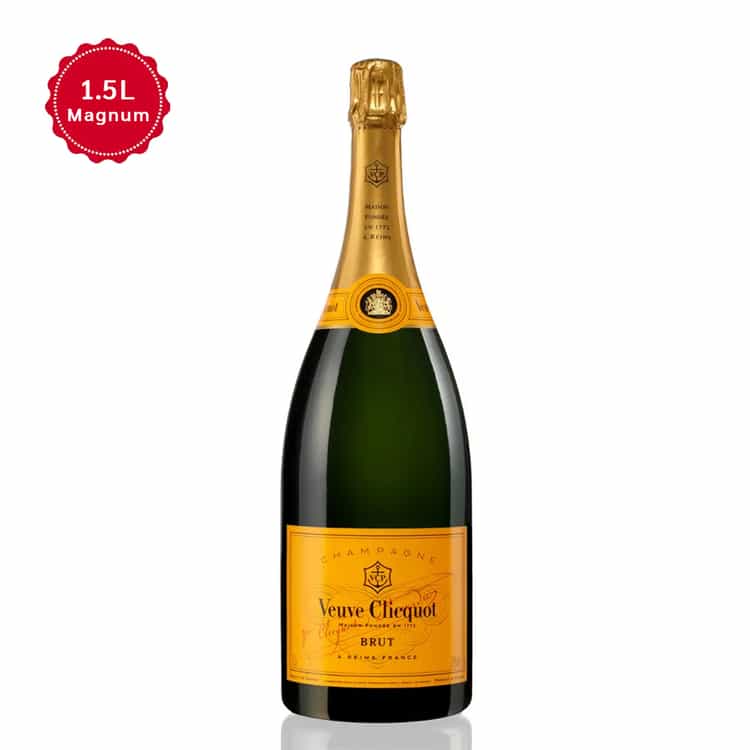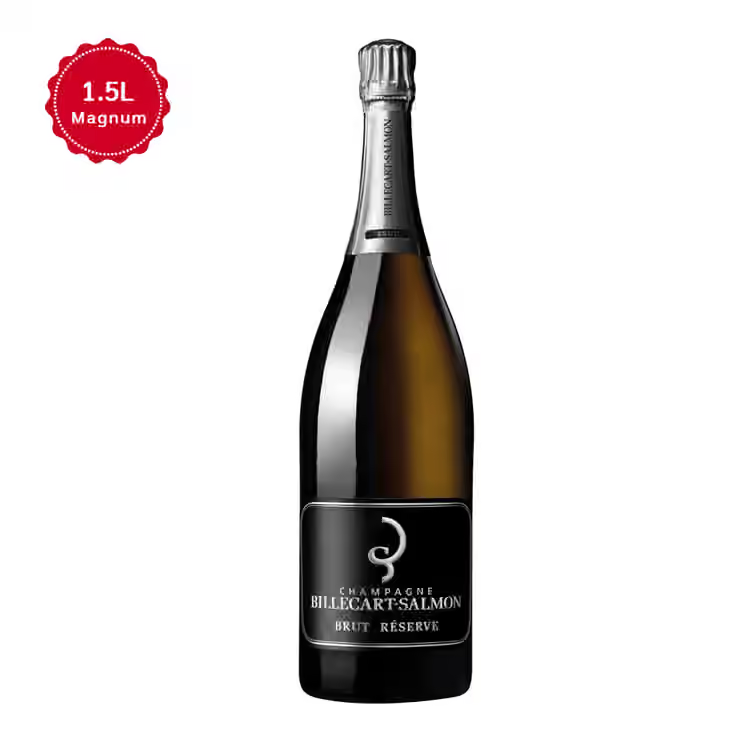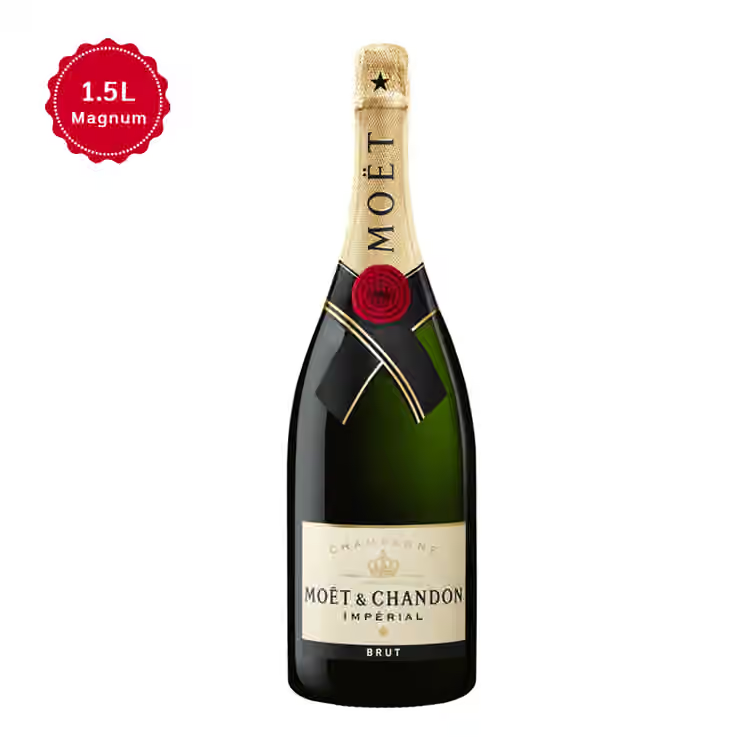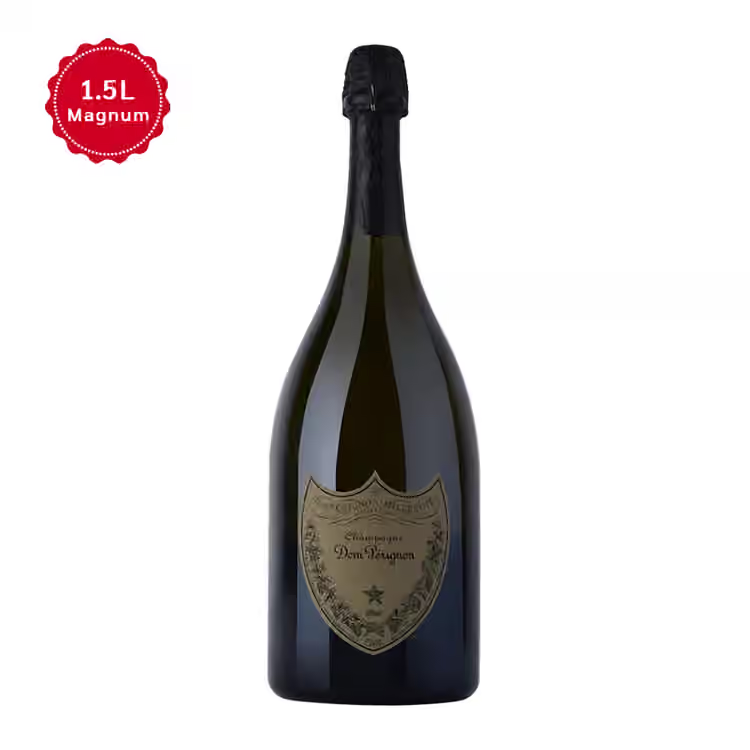
Not every gift needs a reason. Some do — an anniversary, a promotion, a client you actually want to thank properly. But the best ones usually come down to the same question: does this feel like it was chosen for them, or could it have gone to anyone?
That's the line most gifting sites blur. A gift shows up, it's fine, it gets a polite thank-you, and by next week it's forgotten. Wine & Champagne Gifts was built around closing that gap — the idea that a bottle, picked well and presented right, can hold its place in someone's memory long after it's finished. A glass shared at a wedding toast, a bottle opened after a promotion, a personalized surprise that lands exactly right — those moments outlast the bottle itself.
Here are the ten things that keep customers coming back, in order of what they mention most.
Every gift sent is a stand-in for something that matters to someone — an anniversary, a thank-you, a milestone worth marking. Over the past five years, thousands of customers have used these gifts to celebrate everything from quiet personal moments to major corporate wins. Here's what keeps them coming back.
Every occasion is different, and a gift should feel like it. Custom engraving on the bottle, hand-painted designs, a heartfelt note tucked inside the box — these are the small details that turn a bottle into a keepsake. A name engraved for an anniversary. A hand-painted design that makes a proposal unforgettable. A short handwritten note for a close friend. None of it is complicated, but all of it signals the same thing: this wasn't grabbed at the last minute.
Why it matters: Personalized wine gifts show intention. They tell the recipient the gift was chosen with care, not picked off a shelf — and that's usually what makes people hold onto them.
Choosing the right bottle starts with knowing the person, not just the occasion. Crisp whites, bold reds, classic Champagne, sparkling wines from a handful of regions — the range makes it easier to pick something the recipient will actually enjoy, whether they stick to what they know or like trying something new. There's a mix of familiar labels and smaller, lesser-known finds too, so it's rarely a choice between "safe" and "interesting."
Why it matters: A bottle chosen around someone's actual taste reads as thoughtful. A bottle chosen only around the occasion reads as generic.
A good bottle deserves good company. Wines and champagnes can be paired with elegant glassware, a classic wine opener, or an artisan wooden box—details that can be added directly at checkout. These aren't filler. A set of glasses or a wine opener gets used long after the bottle is finished, which is exactly why they extend the life of the gift instead of just decorating it.
Why it matters: The bottle gets emptied and remembered fondly; the glass or opener stays in a kitchen drawer, quietly reminding the recipient of the occasion every time it's used.
Sometimes the gift is only meaningful if it arrives on time. Same-day delivery is available in Northern Virginia and Los Angeles for orders placed before the cutoff, so a last-minute anniversary or an unexpected celebration doesn't turn into a scramble. Across the rest of the U.S., orders are packed and shipped promptly to ensure every bottle arrives safely and on schedule.
Why it matters: Even the perfect gift loses some of its impact if it shows up late. Reliable delivery means the thought behind the gift actually lands when it's supposed to.
How a gift looks when it's opened shapes how it's remembered. Options like wooden gift boxes and curated wine gift sets combine the bottle with complementary items for a more complete unboxing, and the packaging itself can be matched to the tone of the occasion — a wedding calls for something different than a client thank-you.
Why it matters: Presentation is often the first impression. A well-packaged gift signals care before the recipient has even opened it.
Picking the right gift isn't always obvious. Whether you're comparing wine gift baskets for a retirement versus a promotion, weighing a champagne gift basket for a client celebration, or just trying to figure out how personalization works, these are ordinary questions — and getting a real answer quickly matters more than most sites admit. Support is there to give direct, specific guidance rather than a canned response, especially when a gift is time-sensitive and a decision needs to happen fast.
Why it matters: Good support removes the guesswork, so customers can order with confidence instead of hoping they picked right.
Corporate gifting gets complicated fast — different recipients, different addresses, different timing, different budgets. A downloadable bulk order form lets a company submit its full list, budget, and delivery details in one pass instead of a dozen back-and-forth emails. Every gift on that list gets the same attention as a single order, whether it's ten bottles or two hundred.
Why it matters: Well-run corporate wine gifting strengthens client relationships and shows employees they're genuinely valued — and none of that works if the logistics fall apart.
Not every meaningful gift needs a big budget behind it. Some occasions call for something simple and elegant; others call for a premium set with personalization and extras. The collection spans a wide range of price points without cutting corners on quality or presentation, so the budget doesn't have to compromise the moment.
Why it matters: The most memorable gifts aren't necessarily the most expensive ones — they're the ones chosen with actual thought, at whatever price point makes sense.
A bottle on its own is nice. A bottle paired with the right bite is something people actually sit down and enjoy. Artisan cheeses, charcuterie, savory crackers, and premium chocolates can be paired with wine or champagne to create something closer to a shared experience than a single product — a rich cabernet next to sharp cheese, or champagne next to something delicate and sweet.
Why it matters: Pairings turn a gift into an occasion in its own right, giving the recipient a reason to sit down, pour a glass, and actually enjoy it rather than setting the bottle aside for later.
Trust doesn't happen in one order, it's built order after order. More than 50,000+ customers have used these gifts to mark birthdays, anniversaries, weddings, retirements, and corporate milestones, and a lot of them come back the next time there's something worth celebrating. As one customer, Pamela York, put it: "It was easy to order, get exactly what I wanted and then shipped to the recipients on time! A great experience for all of us!" It's that kind of consistency, repeated enough times, that turns a first-time buyer into a returning one.
Why it matters: Repeat customers are the clearest signal that a gift experience actually delivers what it promises.
Picking a bottle for someone else can feel harder than it should. A few things tend to make the decision easier:
A gift is only as good as the experience behind it. Every order is packed with care and shipped with one simple goal: to arrive on time, intact, and looking just as impressive as the moment it was chosen.
Some gifts are forgotten by the following week. Others become part of the story—the champagne toasted at an engagement, the personalized bottle at a retirement dinner, or the corporate gift that genuinely strengthens a business relationship.
We don't just move bottles from point A to point B. We ensure every package arrives looking and feeling meant for that exact moment. Celebrations deserve more than standard delivery—they deserve gifts worth remembering.
That's what lets customers order with confidence, whether it's one bottle for a close friend or a shipment crossing the country. The promise doesn't change. Not once.
Yes. Engraving on the bottle, hand-painted designs, and custom gift messages are available, so you can add a personal touch suited to the occasion — an anniversary, a proposal, or a simple thank-you.
Same-day delivery is currently available in Northern Virginia and Los Angeles for orders placed before the cutoff time. Everywhere else in the U.S., orders are packed and shipped promptly to arrive on schedule.
Yes. Many gifts can be paired with premium glassware, a wine opener, or a corkscrew — often presented together in an elegant wooden box.
Yes. For larger orders, a bulk order form can be downloaded and filled in with the full recipient list, budget, and delivery details in one go — no back-and-forth required. Whether it's ten gifts or two hundred, each one is chosen and packed with the same care.
Birthdays, anniversaries, weddings, engagements, retirements, promotions, graduations, housewarmings, holidays, thank-you gifts, and client or employee recognition all work well.
Both work well depending on the occasion. Champagne is traditionally tied to celebrations like weddings and promotions, while wine offers more range and can be matched more precisely to someone's personal taste.
Every gift is backed by a satisfaction commitment. If an order doesn't arrive on time or as expected, the team works to make it right — a gift that falls short of the occasion isn't left unresolved.
You took a sip of a red wine and after the wine left your palate, your mouth suddenly felt dry, your gums tightened slightly, and your tongue felt as though it had lost some of its usual softness. This sensation is often described as the "grip" of a wine.
That mouth-drying feeling or sensation comes from tannins - one of the most fascinating and misunderstood elements in wine.
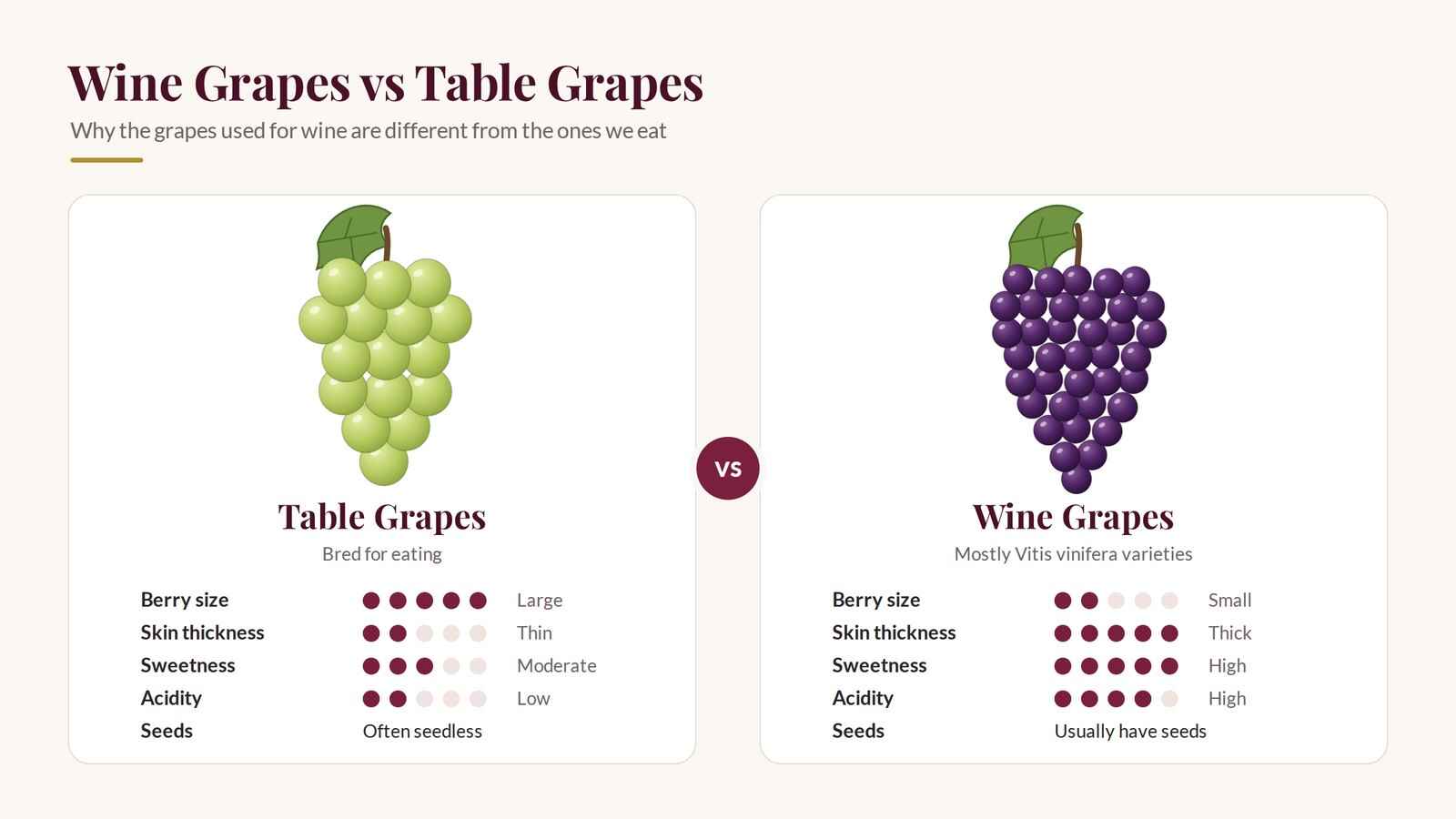
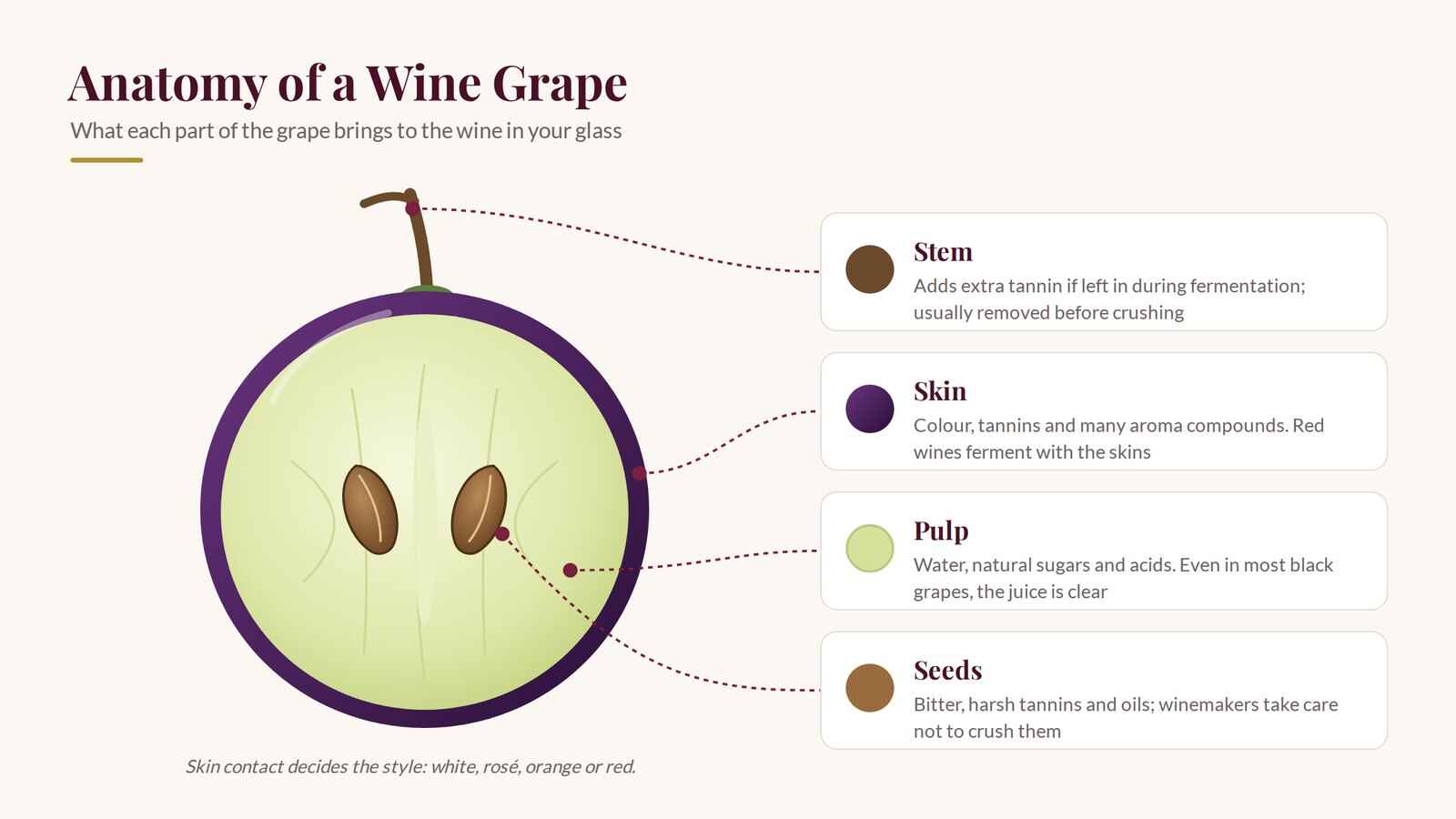
If you're a beginner in wine drinking, tannins can seem harsh or bitter, something that makes the wine feel too strong. Tannins are found in the skins of black grape varieties in varying degrees, hence all red wines have tannins ranging from low to high levels. Red or white wines aged in new oak barrels can also absorb tannins, as they're naturally present in the oak wood.
Tannins are far more than just a sensation. They are the backbone of many great wines, giving them shape, texture, ageing ability, and a sense of balance.
A red wine without tannins can sometimes feel flat or watery and lacking in structure, while a wine with well-integrated, high tannins can feel elegant, complex, and beautifully composed on the palate.
So, what exactly are tannins, and why do they matter so much in wine?
Tannins are naturally occurring compounds called polyphenols that are found in plants. They act as a natural defence mechanism for the fruit, creating bitterness and astringency that discourage animals from eating them. Tannins have a natural tendency to bind with proteins wherever they find them.
The word "tannin" comes from the process of tanning leather, where plant tannins were traditionally used to transform animal hides into leather by binding with proteins.
In simple terms, tannin is a plant compound that creates a drying, puckering sensation when it interacts with proteins in our saliva. As tannins go and bind with that saliva protein, it dries up and the mouth feels that drying sensation for a while.
Tannins are present mainly in the skins of black grape varieties and many everyday foods and drinks like:
Wine tannins come mainly from grape skins, seeds, and stems. For red winemaking, grape skins and juice are in contact during fermentation, allowing the tannins, along with colour and flavours, to come into the final wine.
Oak ageing can also contribute to tannins. When red wine or white wine is aged in oak barrels, it absorbs tannins from the wood, adding another layer of structure and complexity.
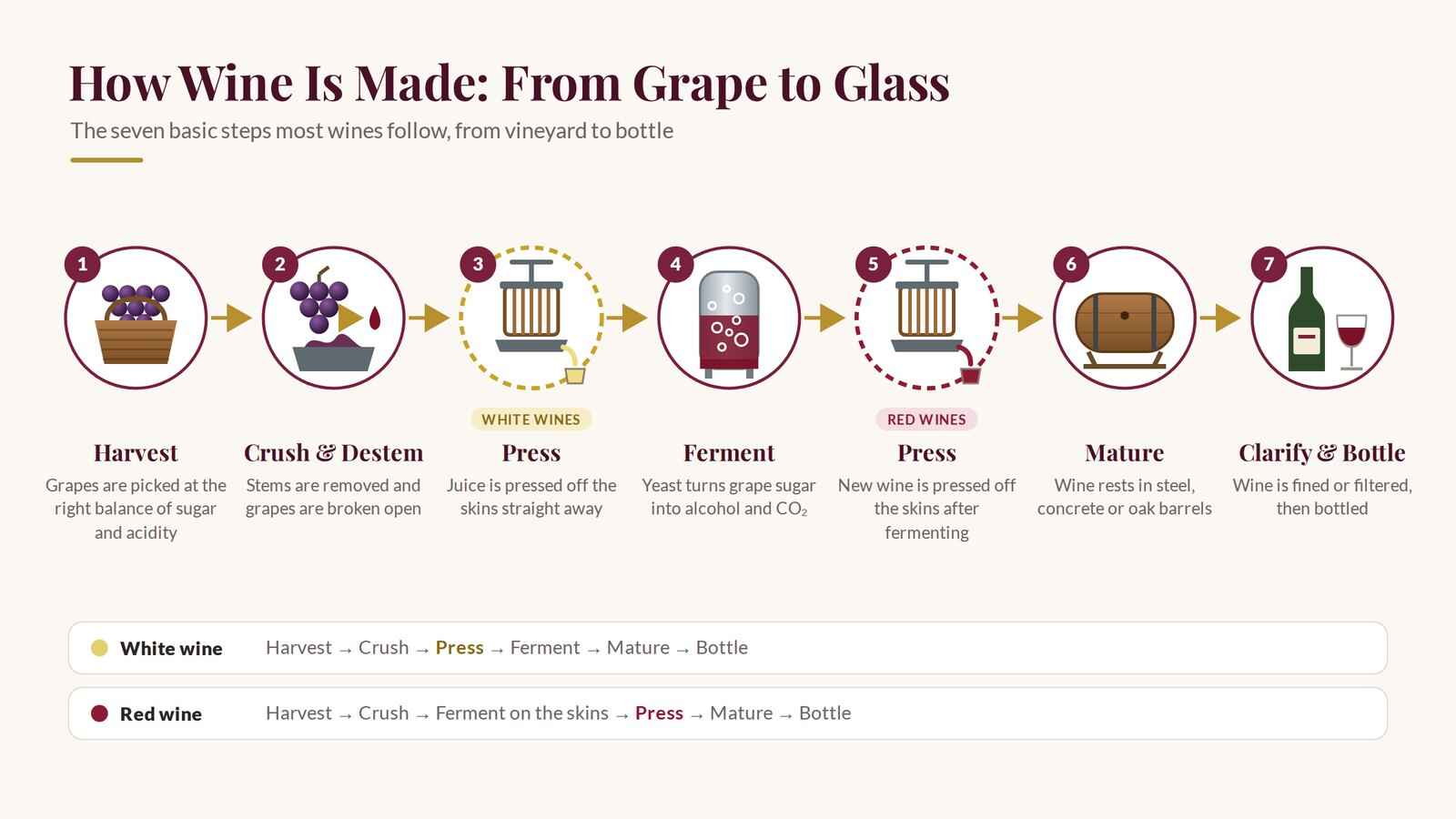
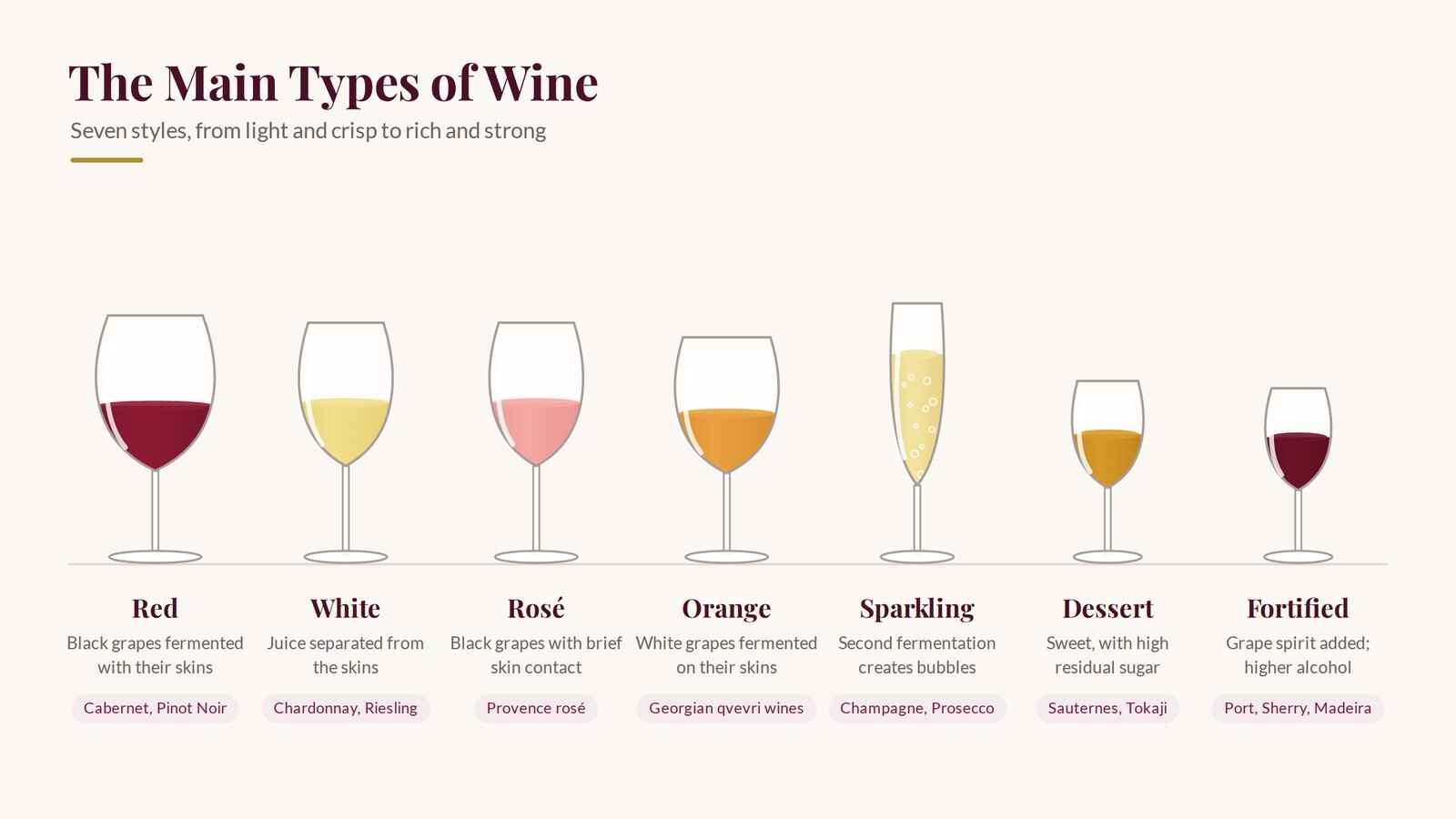
Some white grape varieties may contain tannins but in much lower amounts than black grapes. White wines are usually fermented after separating the skins from the juice, so there is no significant presence of tannins, unless a small amount gets absorbed from oak barrel ageing. Therefore, tannins are typically not considered a factor in white wines.
A wine tannin is essentially the compound that creates the varying levels of drying sensation we experience while tasting red wines.
Unlike acidity in wine, which makes your mouth water, tannins create a sensation of dryness because they bind with proteins in saliva. This reduces the lubrication in your mouth, leaving behind that friction-like, rough or grippy feeling.
A useful way to understand this difference:
Both are important structural elements in wine, but they work in completely different ways.
Red wines usually contain much higher tannin levels than white wines. For red wine production, grape skins stay in contact with the fermenting juice for several days or even weeks. Since grape skins contain colour pigments and tannins, the red wine extracts both during this process.
This is why wines made from thick-skinned black grape varieties often have more tannins.
Examples of red wines naturally high in tannins include:
Premium and high-quality wines from these grape varieties often have the ability to age for many years because tannins act as natural preservatives, giving the much-needed backbone to wines as they evolve with bottle ageing. More simple, easy-drinking table wines often have a lighter texture with lower tannins.
Interestingly, tannins do not really have a flavour in the same way sugar or other common wine notes do. Instead, tannins are experienced through texture and mouth-drying sensation.
A tannic red wine may feel:
Imagine the sensation after drinking a strong cup of black tea without milk. That drying feeling on your tongue and cheeks is very similar to how tannins express themselves in wine.
When someone describes a wine as tannic, they are referring to the amount and nature of tannins present. A tannic wine is one where tannins are quite noticeable and prominent, causing an intense mouth-drying effect. A young Cabernet Sauvignon, for example, may feel strongly tannic because its tannin structure is still developing. With time, those tannins soften and integrate with the fruit characteristics, creating a smoother and more harmonious wine.
A well-made wine with high tannins is:
An unbalanced tannic wine may feel:
Tannins perform several important roles.
They Provide Structure
Think of tannins as the framework of a wine. They give it shape and help balance other components such as fruit, alcohol, and acidity.
They Help Wine Age
One of the most important things tannins do is protect wine during bottle ageing. Over time, tannins gradually soften and combine with other compounds, creating a smoother texture and more complex flavours. This is why some powerful red wines need time for their tannins to mature.
They Influence Texture
Tannins create the physical experience of wine as we taste it. Based on their nature, they can make a wine feel:
A wine's texture is often what separates a memorable wine from an ordinary one.
Several factors influence tannin levels:
Some of the most tannic wines in the world include:
Especially from regions such as Napa Valley, Bordeaux, and parts of Australia, where wines are full-bodied with high and ripe tannins.
The grape behind Italian wines Barolo and Barbaresco. It is famously high in tannin despite its lighter colour and floral notes.
The name itself comes from its tannic character. Wines from Uruguay and southwest France often show intense structure and were historically even known as "black wines" due to their deep colour and very tannic nature.
A widely grown grape of Napa Valley, known for deep colour, power, and significant tannin, despite the smaller berry size.
If you prefer lighter, softer, smoother reds, look for wines with naturally lower tannin levels:
Beyond giving texture, body, and structure to red wines, tannins are essential tools in winemaking. They help to:
A winemaker does not add tannin, but instead tries to achieve the right balance in wine with regard to the natural level of tannins in a grape variety.
Tannins are often the first thing that challenges new wine drinkers. Unlike sweetness or fruitiness, they do not immediately announce themselves as pleasant. They require understanding, which comes with drinking wines that possess varying levels and natures of tannins.
But once recognised, tannins become a part of drinking wine proficiently and appreciating it well.
Wine tannins are the quiet architecture behind many great bottles, giving them the confidence, longevity, and personality.
A beautifully structured wine does not just taste good — it feels complete.
And that feeling — the gentle grip, the elegant texture, the promise of what the wine may become with time as it rests in the bottle — is the magic of tannins.
Champagne is associated with celebration, milestones, and luxury gifts, and few brands have captured the essence of style as elegantly as Laurent-Perrier. With an incredible history of creating elegant and refined sparkling wines, based on Chardonnay and other grapes, the prestige of Laurent-Perrier's products has made them a favorite among both new and experienced wine connoisseurs alike.
When searching for a specific type of champagne, one may find a wide range in the price of a single bottle of Laurent-Perrier. While some are priced below $60 per bottle, others exceed $400. Laurent Perrier champagne costs differ for various reasons, including the type of cuvée (the blend of grapes), how many years it was aged, whether it's vintage or non-vintage champagne, and also its availability.
In this Laurent Perrier Price Guide, we'll provide information regarding the most popular varieties of Laurent-Perrier champagne, along with comparisons to help you determine why they are priced differently than other types of champagne. In addition to providing information about the Laurent Perrier champagne price, we will provide detailed descriptions of the champagne house, the ideal foods to pair with each variety of Laurent-Perrier champagne, as well as the practices used by Laurent-Perrier to create their fine champagnes.
Here is a table showcasing Laurent Perrier prices across its most popular cuvées:
| Champagne | Average Price | Best For |
|---|---|---|
| Laurent-Perrier NV La Cuvée Brut | $50-$90 | Gifting and everyday celebration |
| Cuvée Rosé | $90-$120 | Anniversaries or romantic occasions |
| Ultra Brut | $75-$95 | Lovers of extra-dry champagne |
| Harmony Demi-Sec | $60-$75 | Dessert pairings |
| Blanc de Blancs Brut Nature | $100-$140 | Seafood dinners |
| Grand Siècle | $220-$320 | Luxury gifts and collectors |
| Alexandra Rosé Millésimé | $350-$500 | Milestone celebrations |
Note: Prices of each bottle may differ depending on the bottle size, packaging, retailer, and vintage availability.
Founded in 1812 in Tours-sur-Marne, France, by Laurent-Perrier, the Laurent-Perrier Champagne House is now one of the most renowned champagne producers in the world. Many of the large champagne houses have defined their style based on full-bodied, rich, Pinot Noir-based champagnes, while Laurent-Perrier has taken an alternate route, focusing on crispness, finesse, and harmony among all of its wines, with Chardonnay being utilized in a majority of its blends.
Laurent-Perrier was also established as a benchmark for high-end champagne through international recognition from Bernard de Nonancourt, who developed innovative methods to ensure quality and continually produced high-quality champagnes. Today, you can find Laurent-Perrier champagne in almost every Michelin-rated restaurant, luxury hotel, wedding, or celebration across the globe.
One of the main characteristics of Laurent-Perrier is its consistent house style — floral aromas, lively acidity, clean citrus fruit, and fine bubbles that make every sip refreshing and sophisticated.
Several reasons influence Laurent Perrier champagne cost, making some bottles markedly more expensive than others. Some key contributing factors are:
Prestige cuvées utilize Champagne's highest-standard vineyards, known for producing high-quality grapes that are complex and have great aging potential.
Years are dedicated to aging champagne on its lees. Longer aging develops greater flavor and texture, but a higher financial cost.
More basic bottles of champagne, such as Laurent-Perrier NV La Cuvée Brut, are non-vintage and blend wines from different harvest years to provide a consistent result. Prestige cuvées (i.e., Grand Siècle, Alexandra Rosé) are vintage-based, offered in limited production, and thus much more expensive.
Champagnes available in magnum sizes and larger tend to be more expensive, as they are produced in limited quantities and are highly sought after for holidays, celebrations, and gifting.
Laurent-Perrier has more than 200 years of experience as a world-class company. As a result of offering such quality products, they are able to command high prices.
Average price: $55-$70
The Laurent-Perrier NV La Cuvée Brut represents the quintessential house style of elegance, making it an ideal starting point for those seeking to experience all that the house has to offer. The blend of Chardonnay as the primary grape variety, combined with small percentages of Pinot Noir and Pinot Meunier, provides a delicate balance of flavor and style. Aroma profiles consist of citrus fruit, green apple, white floral elements, and subtle notes of brioche. Its crisp acidity and fine bubbles make it suitable for both celebratory occasions, such as weddings or holiday gatherings, and dinner party settings. It also serves as a high-end option for corporate champagne gifts. If you are looking for the best value within the Laurent-Perrier portfolio, the La Cuvée Brut is a great place to start.
Average price: $90-$120
Cuvée Rosé is one of the world's most renowned rosé champagnes, identifiable through its unique curvaceous bottle. Traditionally produced via maceration, Cuvée Rosé presents intense fruit flavors consisting of raspberry, strawberry, black cherry, and rose petal. Elegantly structured and expressively flavored, Cuvée Rosé will complement anniversaries, Valentine's Day, bridal showers, or serve as a luxurious addition to gift baskets.
Average price: $100-$140
Blanc de Blancs Brut Nature, made only using Chardonnay grapes and without adding any dosage to the wine, brings a unique freshness and minerality. It will remind you of scents such as lemon zest, white flowers, green apple, and chalk. Due to its high acidity levels, this Laurent-Perrier champagne is one of the best to be served with oysters, lobster, sushi, and all sorts of seafood.
Average price: $220-$320
Not made according to a certain year, but rather created by mixing several excellent years to create a unique champagne, Grand Siècle is rich and exceptionally elegant. Among the numerous aromas that can be found in this wine are toasted brioche, citrus, almonds, honey, and minerals.
Did You Know? Grand Siècle is the sole variety of Champagne offered by Laurent-Perrier under the name of "Iterations." Instead of making vintage Champagne from one harvest year, the company combines three years which have yielded the best harvests in order to make an ideal Champagne. This is why there are terms such as Grand Siècle Iteration No. 27; it means that it is the 27th iteration of this champagne.
Average price: $350-$500
Produced only in outstanding years, Alexandra Rosé Millésimé is the most expensive champagne in the Laurent-Perrier line. Made from Chardonnay and Pinot Noir grapes from outstanding plots, it has amazing complexity and finesse with tastes of wild berries, blood orange, peach, and floral notes.
The elegance of Laurent-Perrier champagne starts in the vineyards, where grapes are hand-picked while fresh and pressed gently to extract the purest juices. Each grape variety is vinified separately, which helps the winemakers exercise full control over the winemaking process.
Fermentation is mostly carried out in stainless steel tanks, which helps preserve the characteristic fruitiness and acidity of the wine. A blend of reserve wines and the wines of the current year is made to guarantee consistency of the house style, especially in non-vintage champagnes.
A second fermentation occurs in the bottle, giving the champagne its bubbles, and maturation occurs while the yeast cells remain in the bottle. This long period of maturation gives complexity of flavors such as brioche, toasted almonds, and cream, combined with amazing freshness. After riddling and disgorging, the wine goes through the dosage stage and is aged again before being put on the market.
| Champagne | Best Food Pairing |
|---|---|
| Laurent-Perrier NV La Cuvée Brut | Roast chicken, sushi, parmesan, oysters |
| Cuvée Rosé | Salmon, duck, tuna, berry dessert |
| Blanc de Blancs Brut Nature | Goat cheese, scallops, lobster |
| Grand Siècle | Lobster, caviar, truffle dishes |
| Alexandra Rosé Millésimé | Aged cheese, lamb, foie gras |
If you need top-quality champagne but are not willing to enter the ultra-luxury range, Laurent-Perrier is one of the best choices. This brand can be distinguished by its constant high quality, elegance, and precise production processes that make every bottle unique.
Laurent-Perrier NV La Cuvée Brut is the perfect option for regular luxury consumption, and Cuvée Rosé will bring more elegance to romantic dates. For collectors or those celebrating special events, Grand Siècle and Alexandra Rosé will be the perfect choice. Whether you need a bottle for yourself or want to send a champagne gift, Laurent-Perrier is a fantastic option.
Frequently Asked Questions (FAQs) About Laurent-Perrier
Typical Laurent Perrier champagne prices range from $55 (La Cuvée Brut) to more than $500 (Alexandra Rosé Millésimé).
As a daily wine, Laurent-Perrier NV La Cuvée Brut gives excellent value for money. As a luxury wine, Grand Siècle is highly appreciated by experts and customers as one of the best cuvées from this house.
The pricey nature of this sparkling wine can be explained by high vineyard quality, precise winemaking, prolonged lees aging, and the house's prestigious name.
Yes, it is. The wine is very elegant, fresh, complex, and affordable.
Sure — its elegant design, good quality, and diverse price range make this brand perfect for presenting on different occasions, including birthdays, weddings, anniversaries, corporate events, or holidays.
From the first bottle to expanding an existing collection, this Laurent-Perrier Price Guide proves that there is a special champagne for each occasion and budget. From the affordable Laurent-Perrier NV La Cuvée Brut to the luxurious Grand Siècle and Alexandra Rosé, each bottle is a reflection of the elegance and precision of the Laurent-Perrier house.
When choosing a champagne that could be equally great as a gift, party drink, or celebration wine, Laurent-Perrier remains one of the top brands in the world of sparkling wines. You can explore the Laurent Perrier variety at our online store.
Corporate gifting is about more than just saying thank you. It's about thanking a client for their loyalty, celebrating a successful partnership, and recognizing a team member's hard work, all while keeping your company at the forefront of your client's and employee's mind.
With overcrowded inboxes and overused promotional products, corporate wine gifts have stood out as one of the most thoughtful corporate wine gift ideas a business can choose. There is something about selecting a specific bottle of wine that carries an air of celebration, appreciation, and sophistication that few other gift types achieve.
This corporate wine gift buying guide will help you discover the best wine gift for clients, executives, employees, and business associates, while making sure each pick fits naturally into your company's broader corporate gifting strategy.
What was the last corporate gift you received? If you're honest with yourself, it probably consisted of something like a branded notebook, coffee mug, or desk item. Usable? Yes. Memorable? Unlikely.
Wine offers an entirely different experience. Unlike many traditional gift items, wine is intended for enjoyment from the moment it's opened. It transforms a promotion into a reason to celebrate, a client thank-you into a meaningful gesture, and a business milestone into a shared memory worth recalling. This emotional connection is exactly why good corporate wine gifts continue to be one of the most popular choices among businesses building stronger professional relationships.
Before selecting a wine, simply ask yourself: who is receiving this? A good corporate wine gift doesn't need to be the most expensive bottle available. It just needs to feel fitting for the relationship, and it should reflect your company's overall corporate gifting strategy rather than feel like a one-off purchase.
Clients and customers appreciate gifts that feel thoughtful and upscale without being overly personal. These are safe, well-received choices for almost any corporate gifting occasion:
When recognizing high-level executives or business partners, presentation matters just as much as the wine itself. These high-end corporate wine gifts work well at the executive level:
Employee recognition needs to feel celebratory but still approachable for everyday use. Good corporate wine gift options for employee and staff appreciation include:
A bottle of wine on its own is always welcome, but pairing it with complementary items elevates the entire gifting experience.
A go-to option for client appreciation. The variety inside makes this gift appealing to a broad range of tastes and instantly raises the perceived quality of the gift.
Typical contents:
Custom corporate gifts have become increasingly popular because of their ability to feel one-of-a-kind. Small custom touches turn a standard gift into a memorable keepsake, and a personalized bottle works especially well as a corporate thank-you gift. Consider:
Instead of sending a single bottle to your highest-value relationships, a curated collection of premium Napa Valley wines creates an instant sense of luxury. A 2-3 bottle selection immediately signals a high-end corporate wine gift, ideal for executives or top-tier clients.
The trickiest, and most interesting, part of choosing wine for corporate gifts is matching the bottle to the recipient's taste and the occasion. Here's a quick breakdown to help you choose with confidence.
Structured, bold, and prestigious, Cabernet Sauvignon is a timeless choice that adds a touch of elegance to any celebration. Its full-bodied flavor makes it a strong fit for luxury gifting, corporate milestones, employee anniversaries, and other special corporate occasions.
Pinot Noir is approachable and genuinely enjoyable, typically offering bright cherry and raspberry notes, subtle earthy undertones, and a hint of spice or vanilla when barrel-aged. Its elegance and flexibility make it well-suited for client gifting, team recognition, or mixed groups of recipients.
Chardonnay has long been one of the safest, most broadly accepted white wines, which makes it a smart pick for holiday gifting and large-scale corporate gifting where you want something that pleases a wide audience.
Nothing says "congratulations" quite like bubbles. Sparkling wine and champagne are perfect for company milestones, new partnerships, promotions, and year-end appreciation gifting.
A quick note for recipients who don't drink: Not every client, employee, or partner drinks alcohol, for religious, health, or personal reasons. In that case, a non-alcoholic gift basket, a chocolate gift basket, or a gourmet gift basket pairs just as well with the same level of thoughtfulness, without assuming everyone drinks.
Before finalizing any corporate wine gift, it's worth checking two things:
A small amount of upfront checking here avoids an awkward (and sometimes non-compliant) situation later.
A smart corporate gifting strategy matches the value of the gift to the value of the relationship.
Under $100: ideal for employees, event guests, and mass holiday gifting:
$100 to $250: a good fit for valued clients, referral partners, and department leaders:
$250 to $500: appropriate for key business relationships, executive clients, and strategic partners:
Over $500: reserved for VIP clients, major stakeholders, and C-suite executives:
Approachable, crowd-pleasing options like sparkling wine, Pinot Noir, or a chocolate-and-wine gift set work well for employee and staff recognition, since they feel celebratory without being overly formal.
Yes, wine is widely considered a safe and well-received corporate wine gift idea for clients and customers. Just confirm the recipient's company gifting policy and personal preferences first, and consider a non-alcoholic gift basket, chocolate gift basket, or gourmet gift basket if you're unsure.
It depends on the relationship. A reasonable range is under $100 for employees and event guests, $100 to $250 for valued clients, $250 to $500 for executives or strategic partners, and $500 plus for VIP or C-suite recipients.
Start with the occasion and the recipient's role. Cabernet Sauvignon suits milestones and executive gifting, Pinot Noir works well for mixed groups, Chardonnay is a safe large-scale pick, and sparkling wine or champagne fits any celebration.
Yes. Custom corporate gifts like engraved bottles, custom corporate messaging, branded packaging, and custom wooden crates are all popular ways to turn a standard bottle into a personalized gift.
Why does wine continue to be such a successful way to celebrate accomplishments, build relationships, and create lasting impressions? Because long after a promotion has passed or a promotional product has been forgotten in a drawer, a quality bottle of wine remains memorable. Pairing wine with a thoughtfully curated gift basket, set, or box makes the gesture even more meaningful, and far more memorable than yet another branded mug.
Ready to choose the perfect bottle? Explore our curated corporate wine gift collections for clients, executives, and employees, or get in touch for a custom quote on bulk corporate orders.
Ever wondered what is the meaning behind the term ‘Cuvée’ mentioned in a Champagne or wine label? you’re not alone! This term appears in different contexts in the world of wine. So, what is Cuvée and why does it matter? Let’s explore this term in a way that’s easy to understand.
"Cuvée" is one of those elegant French wine terms that people nod along to without fully understanding. Even the pronunciation puzzles you when it usually appears on a wine label – the term cuvee pronounced as ‘koo-vay’ and it rolls off the tongue just as elegantly as it tastes.
Even though the pronunciation sounds smooth, the meaning can be surprisingly elusive. Part of the confusion comes from the fact that the term is not regulated, which means different producers use it in their own way. Sometimes it signals superior quality, sometimes it reflects a special selection, and other times it simply highlights the style or blend. At its heart, cuvée comes from the French word cuve, which literally means a “tank” or a “vat”.
In this guide, we’re keeping things clear, friendly, and beautifully simple — because decoding wine should feel like joy, not homework. From what is cuvée in a wine to what is cuvée in Champagne, from tête de cuvée to cuvée in non-wine context, we’re covering everything. Let’s swirl right into it.
In winemaking terms, "cuvée" refers to the first batch of grape juice taken from a vat or tank after the grapes are pressed for the very first time when they arrive at the winery. This initial portion is also known as “free run juice” – the part considered the best in flavor, natural sweetness, balance, and overall superior quality. Some winemakers of sparkling wines even call this early fraction, which exceptionally comes from gentle pressing of the grape, their elixir because it carries the purest, cleanest varietal aromas with very few bitter phenolic compounds.
The pure and delicate juice is highly valued in traditional method sparkling wines where clarity, finesse, and structural precision matter deeply. As pressing continues, the later fractions, known as the "taille", contain more phenolics and structural elements that can impart slightly bitter or intense flavors. These traits are less desirable for classic, clean sparkling wines, which is why the cuvée portion is separated with so much care.
When you come across cuvée on a still wine label, think of it as the winemaker’s creative shortcut:
And here’s the trick: the term is not regulated in still wines only. A cuvée can be top-tier or simply the producer’s preferred expression — which is why checking the winery’s reputation always helps.
The meaning of "cuvée" however, is more relevant and precise in the world of sparkling wines, particularly Champagne. So, what is Cuvée Champagne? In the case of Champagne, cuvée can refer to both
In Champagne, this first pressing is extracted through exceptional pressing of the grape, and from 4,000 kg of grapes, only the most delicate portion — the celebrated 2,050 liters of grape juice — qualifies as the cuvée. The purest juice that comes off the first pressing becomes the foundation of superior quality Champagne.
This cuvée forms the foundation of high-quality Champagne, especially expressions that aim for elegance and precision. Whether it's used for the house blend or reserved for a tête de cuvée, this top-tier free-run juice is prized for its uber finesse and balance — qualities essential for all Cuvée Champagne that is refined and luxurious.
A cuvée wine-making starts with the pressing of the grapes to get the best and the cleanest portion of the juice. The first extraction (the true cuvée) is the most aromatic and pure. The process begins with:
Oftentimes, folks wonder about the difference between Champagne & Cuvée. Simply put, Champagne is a type of Sparkling wine from the Champagne region of France, made using the “Traditional Method”. Cuvée, on the other hand, refers to the special blend or a selection of base wines used to make that Champagne.
While Champagne follows strict regional rules, cuvée-style sparkling wines are made in many wine-producing regions around the world. South Africa’s Methodé Cap Classique and sparkling cuvées from California to Australia each express their own regional character and nuances of the production method employed. The flavors and structure may differ, but the idea remains the same, a blend that captures the winemaker’s intention and showcases the superior quality of the chosen base wines.
There remains the question of Brut — a term often seen alongside cuvée, such as Brut Cuvée. The word "Brut" indicates the sweetness level of the wine, describing how dry it is. So, when you see the term Brut Cuvée, you’re looking at a dry cuvée Champagne, one that’s elegant, crisp, and refreshing, made using the specially selected base wines from premium-quality grapes. Champagne cuvées and other traditional-method sparkling wines undergo a second fermentation that creates fine bubbles and that signature fresh acidity often associated with refined cuvée wine.
To understand what a cuvée is in this context, the distinction is actually quite simple:
Put together, "Brut Cuvée" means a dry sparkling wine made from a premium cuvée selection. It’s not a separate style but a combination of quality (cuvée) and taste profile (brut).
If you’d like to explore the term "Brut" in more detail, you can check out the guide here: What Is Brut Champagne — it breaks down sweetness levels in Champagne and sparkling wine in a friendly, beginner-friendly way.
The taste of cuvée wine can vary depending on the components and style. Still, all cuvées tend to be balanced, smooth, and rich, combining the strength of various high-quality grapes and base wine blends.
Cuvée Champagne and Cuvée Brut sparkling wines are often dry, crisp, and complex, with notes of citrus fruit, apple, toast, brioche, and classic minerality. The special cuvée wines reflect not just the greatness of fruit but also display the impeccable craftsmanship that defines a well-made cuvée wine.
| Type of Cuvée | What It Really Tastes Like |
|---|---|
| Still Wine Cuvée | Smooth, balanced, clean fruit, refined texture, and a polished blend that feels intentional and high quality. |
| Sparkling Cuvée (Champagne, Brut Cuvée, Premium Sparkling Wines) | Dry, crisp, fine bubbles, bright citrus, orchard fruit, chalky minerality – elegant and pure from the finest cuvée juice. |
| Rosé Cuvée | Fresh, vibrant, floral-to-berry notes with a juicy lift – crafted for a refreshing, signature rosé expression. |
A common comparison often arises between cuvée and Prosecco. While both are sparkling, they’re not the same, so let’s understand — Is Cuvée like Prosecco? Not exactly. Prosecco is made using the Charmant Method, or the Tank Method, where second fermentation happens in large pressurized tanks, resulting in a lighter, simpler and fruitier style of sparkling wine with fresh pear, apple, and floral notes.
Cuvée Champagne, on the other hand, is made using the Traditional Method (Méthode Traditionnelle), wherein second fermentation happens inside the bottle, and thereafter wine stays on lees (dead yeast) for prolonged periods, resulting in more depth of flavors, richer texture, fine bubbles, complex brioche and citrus notes, and greater depth, which are hallmarks of high-quality sparkling wines and premium cuvée selections.
In short, what is cuvée, depends on the context in which it is being used. But it always reflects the intention of craft and quality. Whether it's a refined Cuvée Champagne or a rich and robust red cuvée, the term celebrates and awards the winemaker’s art of choosing and crafting special wines. On many wine labels, the word cuvée beholds a story of perfection, balance, and love for the craft —resulting in a perfect sip, every single time.
In a non-wine context, the cuvée means a special blend of a product or beverage, created with intention and refinement. The word is typically used for indicating a higher-quality batch of products like beer, chocolate, perfumes, coffee, or even olive oils.
In the case of sparkling wines, particularly Champagne, the term cuvée is used to denote the highest–quality juice that comes from the very first and gentle pressing of the grapes and is, therefore, the most delicate and pure. Besides, it can also indicate a special blend of base wines chosen for their charm, balance, and precision.
A cuvée isn’t a specific type of wine — it’s a quality-driven designation. The term can refer to a special blend, a high-quality selection, or the finest juice from the first pressing. You’ll find cuvées across red, white, rosé, and sparkling wines, each one reflecting the winemaker’s chosen style and craftsmanship.
Duck is one of those meats that sits elegantly between light poultry and rich flavour tones of red meat, and a few pairings feel as indulgent and timeless as duck and wine. It has a silky texture, a faint, natural sweetness in its fat, and an earthy depth of flavours that makes wine pairing exciting—making it very versatile and wine friendly. Whether you’re wondering what wine goes best with duck, should I choose red or white wine with duck, or which wine cuts through the duck fat best, this wine pairings with duck guide breaks it all down for you.
From the French countryside to Beijing roast houses, cooks and chefs around the world have embraced duck in their cuisine by way of many different cooking techniques. And for each style, there's a wine that pairs with the duck. In this special feature, we will decode what wine goes with duck and why wine pairs so well with duck and talk about some sumptuous duck and wine pairings.
Duck has a natural gamey depth of flavors and fattiness to it, both of which crave balance. Wine’s good acidity and tannins do exactly that by cutting through the richness of fat and complementing the sweet and savoury notes of duck dishes. The right kind of wine pairing is not just about accompanying each other, it’s about enhancing the wine and dining experience holistically.
When it comes to hunting the best wine for duck, the usual dilemma is – should I choose red or white wine with duck? often stirs curiosity. Traditionally, red wines have taken center stage in most duck and wine pairings. It has been a classic wine pairing with duck—a red wine’s acidity and fresh yet structured red fruit level up the flavour balance, enhancing duck meat’s natural sweetness. High and refreshing acidity of a Pinot Noir cuts through the fat, skillfully resetting the palate, without ever masking the decadent flavours of duck dishes.
Yet, duck’s versatility makes it very compatible with white wine too. Full-bodied whites like an oaked Chardonnay or an aromatic Viognier pair well with ducks’s complex gamey notes and subtle natural sweetness. The texture and structure of most fruit-forward wines complement the goodness of duck’s sweet and savoury profile, making it a food-friendly meat in its vivid versions that come from different parts of the world.
A wine that dances in the rhythm of the flavors of the duck is an ultimate wine and duck pairing. No matter if you choose red or white, the key is balance of textures, taste, and flavors. Here are some of the best wines to drink with wine for an ultimate food and wine pairing experience:
A red that drapes itself around the duck’s richness with ease is a Pinot Noir. Moderate tannins and red berry flavors make it one of the most classic wine pairings with duck, silky texture and good acidity cutting through the richness of the duck.
Duck Dishes: The dishes that handle the earthy flavors and structure of the Pinots are a roasted duck, pan-seared duck breast, or a slow-cooked duck confit.
Recommended Pinot Noirs: A Domaine Nicolas Rossignol Bourgogne Pinot Noir is a lovely companion with the duck and a Belle Glos Clark & Telephone Vineyard Pinot Noir brings a quieter, more earthy flavor to a slow-cooked duck dish.
For More, Check out our Pinot Noir Collection.
The idea of pairing Shiraz wine with duck immediately brings to mind a richer, deeper style of duck and wine pairing. With the spicy and peppery notes and full-bodied structure, this red wine complements the savory and spiced flavors of duck dishes.
Duck Dishes: Peking duck, peppery duck steaks, roast duck breast, and slow-cooked duck or braised duck work great with a robust Shiraz and make one of the best duck and wine pairings.
Recommended Shiraz: Pair the fruit-forward Australian Penfolds RWT Bin 798 Shiraz with a rich and indulgent duck dish or choose The Prisoner Wine Co. Saldo Shiraz as an aperitif with hearty duck preparations.
Barolo’s tannin cuts through the fattiness of the duck, which heightens the flavors of the wine and the dish both. With the earthy notes and high acidity of a Barolo, it provides a counterpoint to the duck’s richness and makes it one of the best wines to pair with duck.
Duck Dishes: For a classic wine and duck pairing, roast duck in herbed spices, a traditional Anatra al Barolo (duck braised in Barolo), or duck with mushrooms works wonderfully.
Recommended Barolo: For a wholesome experience of food and wine pairings, Arnaldo Rivera Undicicomuni Barolo Italian Red Wine is a wonderful option to choose, or a Massolino Barolo Serralunga Italian Wine with high tannins keeps the palate clean and balanced.
An oaked chardonnay matches with the richer duck dishes best, while an unoaked one makes a perfect match for lighter preparations of the duck. Overall, a full-bodied Chardonnay makes a good wine for duck, as its fruity note and balanced acidity not only compliment the meat but also the sweet-savory sauces of it too.
Duck Dishes: Duck à l’orange leans towards a fruit-forward dish, which calls for a creamy and buttery Chardonnay. Duck with chimichurri sauce and duck piccata are also great wine and duck pairings.
Recommended Chardonnay: A perfectly oaked Cakebread Cellars Chardonnay is a good wine for duck, or a French Louis Latour Corton-Charlemagne Grand Cru is also a excellent wine that pairs with duck dishes.
For More: Visit our Chardonnay Wine Collection
A Viognier will never disappoint you; its intensity handles the rich flavor of duck meat so well. It is a great wine to drink with duck especially if it is made in a fruit-based, spicy, or creamy sauce. The aromatic complexity of a Viognier, all perfumed stone fruit and gentle warmth, wraps itself around the dish and creates a pairing that feels comforting.
Duck Dishes: Smoked duck, spicy or curried duck, and the classic French pairing of duck with creamy mushroom sauce all harmonize wonderfully with Viognier.
Recommended Viognier: A Rhone Valley special, Domaine Louis Cheze Condrieu Pagus Luminis is one of the best wines for duck, as it cuts through the richness of duck with its amazing fruity notes.
Sauternes is a very good wine with duck, why? Obviously because of the classic pairing of sweet and savory that delights the palate. Sauternes is a full-bodied sweet wine that stands up to the strong flavors and texture of the duck, letting its own botrytized richness melt into the dish.
Duck Dishes: Duck foie gras, duck breast prepared with sweet or savory sauces, and duck pâté all pair beautifully with a sweet Sauternes.
Recommended Sauternes: You may reach for a Chateau D'Yquem Sauternes Wine for an ultimate experience of taste and flavor.
Champagne with its high acidity and fresh bubbles pairs brilliantly with duck, fresh, lifted and indulgent in all the right ways. The bright acidity of the bubbly cuts through the richness of the meat, the effervescence resets the palate, and the subtle toasty notes blend perfectly with duck’s flavor profile. This duck and wine pairing is a wine-lover approved that is an experience in itself.
Duck Dishes: The playful bubbly and sharp acidity pairs effortlessly with Duck à l'Orange, Cantonese Roast Duck, Seared Duck Breast with Champagne Sauce, and Duck Confit.
Recommended Champagne: A brut style from the Veuve Clicquot brand or a Billecart-Salmon Blanc De Blancs Grand Cru goes perfectly with a myriad of duck dishes. Also a fresh, vibrant Laurent-Perrier Rose Champagne is an outstanding match with the sweet-savory flavors of duck.
Find more of these sparkles in our exclusive collection of Champagne, and find your best duck and wine pairing.
For a classic duck and wine pairing, it’s important to keep in view the sort of duck meat preparation you’re into. Let’s understand the key points to make successful wine pairings and duck every single time:
Given its natural sweetness and rich gamey depth, duck loves fruit based flavors like cherries, plums, and oranges for seethe lemons—notes often found in Pinot Noir, Sangiovese, Grenache or Chardonnay and Riesling.
Duck meat preparation with herbs such as rosemary, thyme, oregano, or sage pairs well with earthy and structured wines like Syrah or Cabernet Franc. The rule is simple, match your wine’s notes with the dominant flavour in your duck dish, and the pairing rarely misses.
As in our other special reading features, here too we have a quick guide to the best wines to drink with duck as per its flavor, depending on the preparation style:
| Duck Dish | Best Wine Pairing | Flavor Notes | Why It Works |
|---|---|---|---|
| Roast Duck | Pinot Noir, Grenache | Cherry, plum, and gentle earthy tones | Juicy acidity and red fruit balance the meat’s richness |
| Duck à l’Orange | Gewürztraminer, Riesling | Citrus-led notes like orange and lemon lift duck’s natural sweetness | A touch of sweetness mirrors the orange glaze |
| Duck Confit | Merlot, Cabernet Franc | Rosemary, thyme, oregano, and savory herbs | Earthy tones and medium tannins complement the slow-cooked depth |
| Smoked Duck | Malbec, Syrah | Dark berries, spice, and earthy notes echo the rich, smoky character | Smoky, peppery wines match the meat’s intensity |
The natural sweetness and gaminess of duck give you the creative freedom to splash the table with many new and offbeat food and wine pairings. A fruit-forward red wine complements duck’s savoury qualities, while a spicy or smoky wine enhances its flavour depth. The more complex the preparation like hoisin or cherry glaze sauce on duck breast or roast duck – the more layered and complex your wine should be for a perfect wine pairing with duck.
Absolutely YES! Sparkling wine and duck is one of the most underrated combinations and easily one of the best wines to drink with duck. The lively bubbles and good acidity of sparkling wines like Brut Champagne, Prosecco, Crémant de Loire beautifully cut through the duck while adding a burst of freshness at the same time.
Sparkling wines are particularly delightful with bite-sized pieces of crispy fried duck with sweet chilli dipping sauce, duck pâté canapés, or even Peking duck.
Acidity in wine is your best friend when it comes to dealing with fat content in any dish. Wines with naturally high acidity like Pinot Noir, Nebbiolo, Chardonnay, Riesling, or Champagne cleanse and reset the palate after each bite, making every bite of duck dishes feel just as delish.
You can go red or white with duck—just match the wine to the preparation. A light, bright Pinot Noir is a classic with roast duck, while a rich Chardonnay or off-dry Riesling is perfect for citrusy or creamy duck dishes thanks to their good acidity and balance.
Wine pairings with duck always feel luxurious and fun—it’s all about flavour balance, texture and mood. Whether you prefer a silky and structured Pinot Noir, a bold and peppery Shiraz, or a crisp Brut Champagne, the goal is to always elevate both the glass and the plate.
Choose Red Wine or White Wine from our bestselling wine collection, match those mouth watering holiday special duck meat dishes to everyone’s favourite wines.
Cheers to decadent and unforgettable duck and wine pairings!!