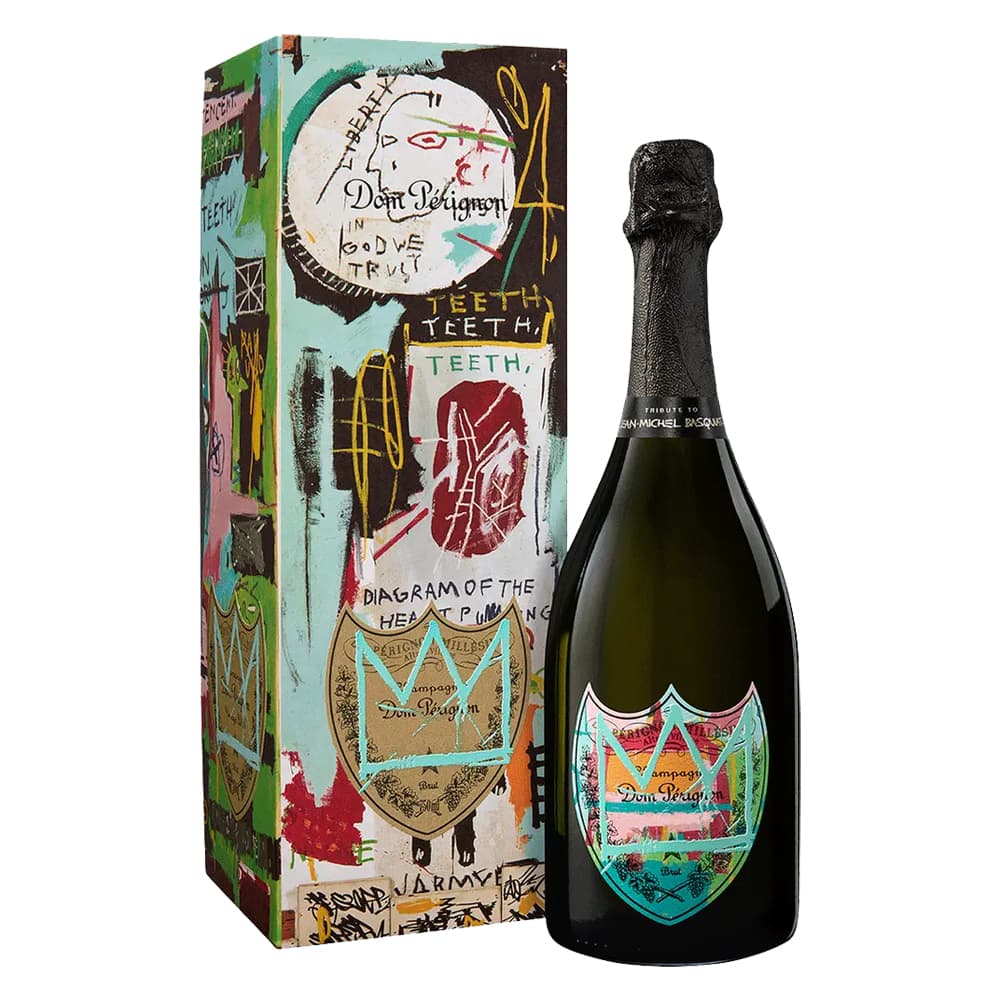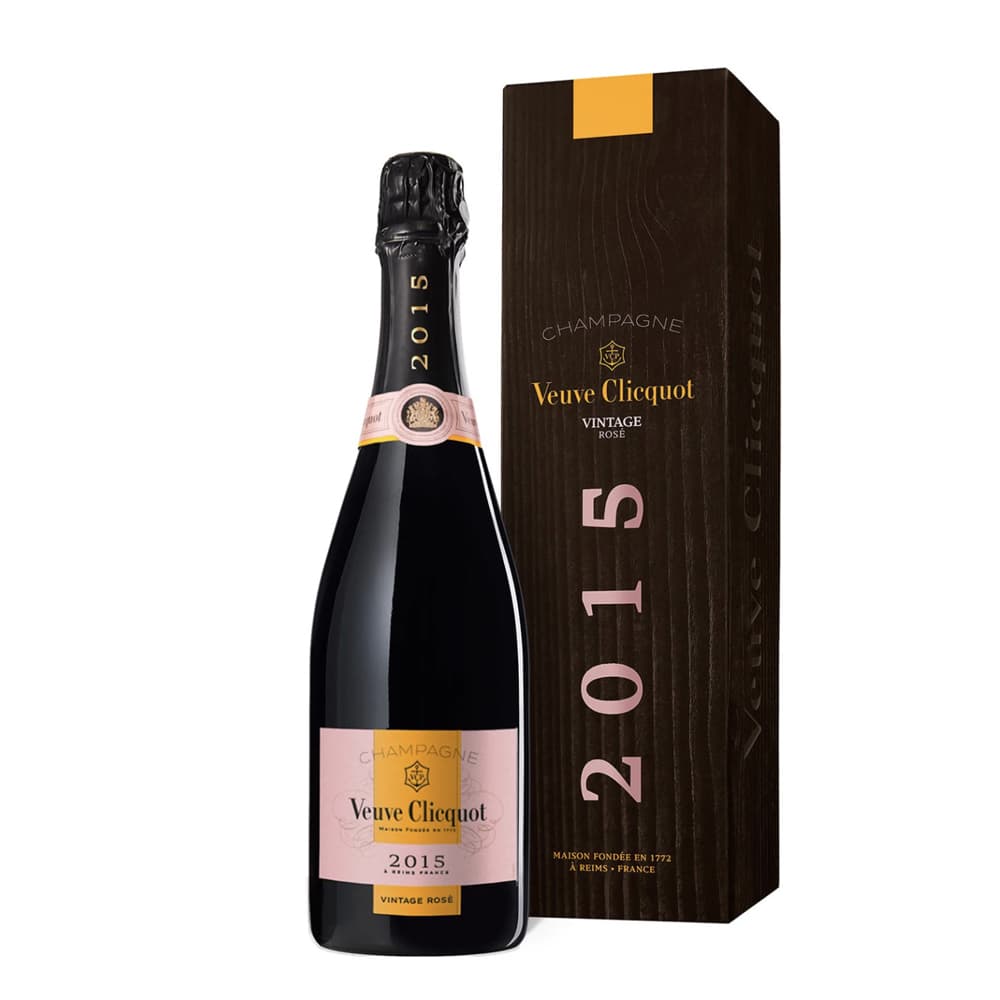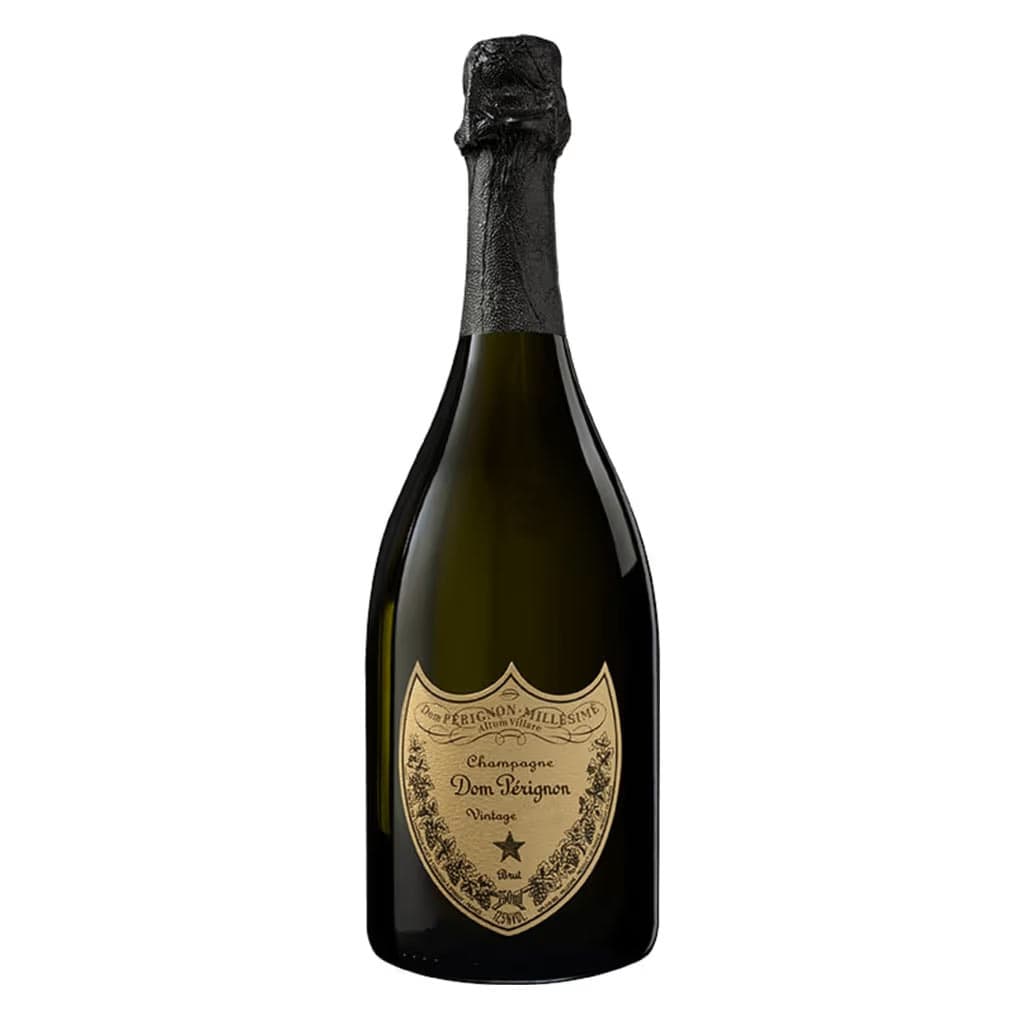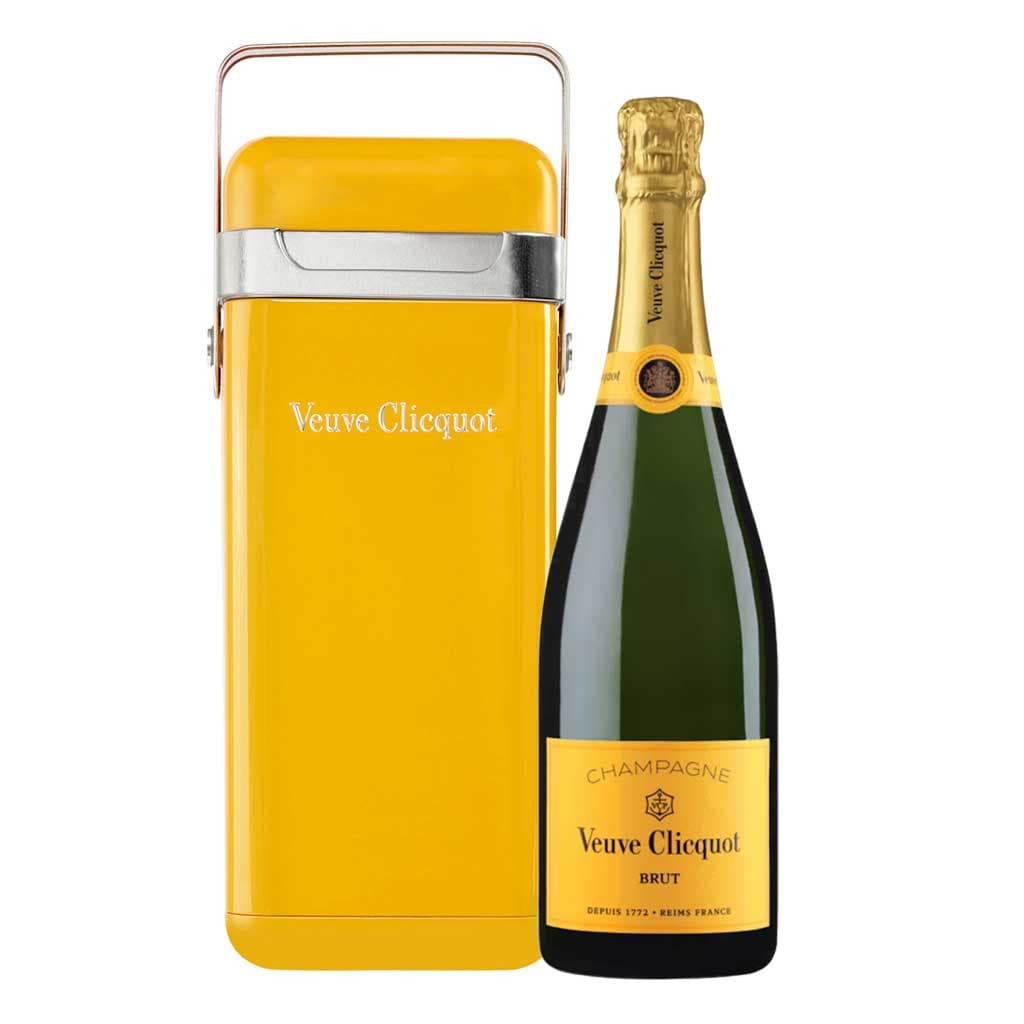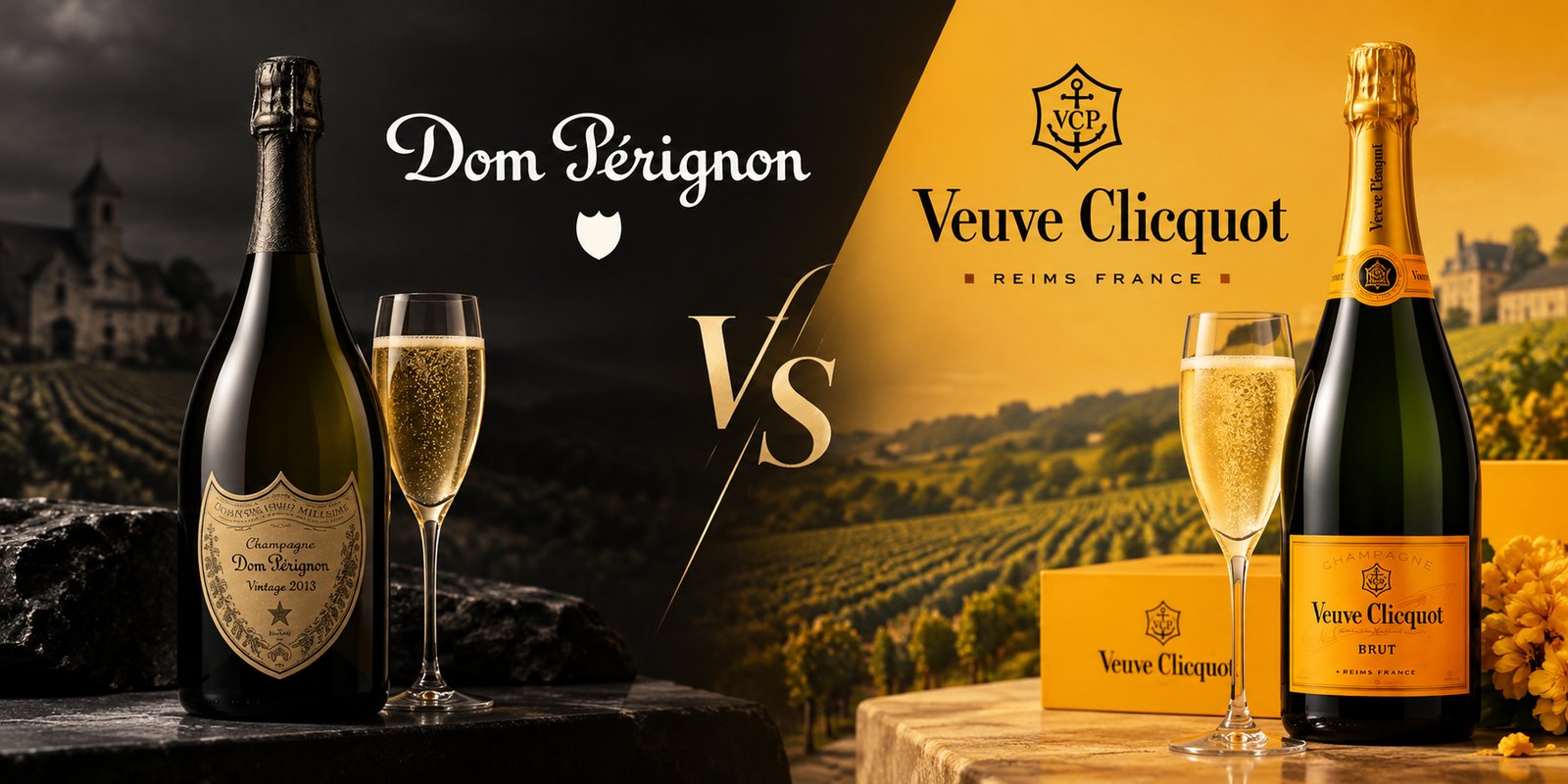
Standing in front of the champagne shelf, looking at a bottle of Veuve Clicquot for around $70 and a Dom Pérignon for $250 or more? You're not the first person to wonder whether the pricier one is really that much better.
These are two of the most famous names in champagne, and funnily enough, both belong to the same luxury group, LVMH. But they're built for very different moments and very different budgets. In this guide to Dom Pérignon vs Veuve Clicquot, we compare taste, price and production, put their bottles head-to-head, and help you pick by occasion, budget and taste. We'll also tell you honestly when Dom Pérignon is worth it, and when it isn't.
Short answer: Veuve Clicquot is the crowd-pleaser you can pop at almost any celebration, from weddings to a Friday night. Dom Pérignon is a rarer, more refined vintage champagne for milestones, luxury gifts and collecting, and it usually costs about three to four times as much. Both are excellent. The right pick depends on the moment.
Table of Contents
- Quick Comparison: Dom Pérignon vs Veuve Clicquot
- Champagne Basics: Vintage, Non-Vintage and Prestige Cuvée
- The History Behind Each House
- How They're Made: The Differences That Matter
- Dom Pérignon vs Veuve Clicquot Taste
- Bottle by Bottle: Dom Pérignon vs Veuve Clicquot Head-to-Head
- Dom Pérignon vs Veuve Clicquot Price
- Is Dom Pérignon Worth the Extra Money?
- Which One Should You Choose?
- Dom Pérignon or Veuve Clicquot: Which Makes the Better Gift?
- Dom Pérignon vs Veuve Clicquot vs Moët
- How to Serve and Store Them
- Final Verdict: Is Dom Pérignon Better Than Veuve Clicquot?
- Frequently Asked Questions
- Conclusion: Pick the Bottle That Fits the Moment
Quick Comparison: Dom Pérignon vs Veuve Clicquot
| Feature | Dom Pérignon | Veuve Clicquot |
|---|---|---|
| What it is | Prestige champagne brand, first released by Moët & Chandon in 1936 | Full champagne house, founded in Reims in 1772 |
| Range | Vintage only: Vintage, Rosé, Plénitude 2 | Yellow Label Brut, Rosé, Rich, Vintage, La Grande Dame |
| Production | Made only in exceptional years, from a single harvest | Mostly non-vintage blends for a consistent style, plus vintage cuvées |
| Grapes | Chardonnay and Pinot Noir only | Pinot Noir-led, with Chardonnay and Meunier |
| Aging before release | Roughly 8–10 years | At least 3 years for non-vintage |
| House style | Precise, creamy, mineral, layered | Rich, fruity, toasty, full-bodied |
| Typical price (750ml) | ~$250 to $500+ | ~$60 to $200+ |
| Best for | Milestones, luxury gifts, collecting | Weddings, parties, everyday and corporate gifting |
| Owned by | LVMH | LVMH |
Champagne Basics: Vintage, Non-Vintage and Prestige Cuvée
A few label words make this whole comparison much easier to follow.
- Non-vintage (NV): blended from several harvests so it tastes the same every year. Veuve Clicquot Yellow Label is the classic example.
- Vintage: made from a single year's harvest, only when that year is good enough.
- Prestige cuvée: a house's top bottle, made from its best grapes and aged much longer. Dom Pérignon is both vintage-only and a prestige cuvée. Veuve Clicquot's equivalent is La Grande Dame.
- Brut: the sweetness level. It means dry, and it's what most people drink, including both brands' core bottles. (What is Brut champagne?)
So the real difference at the heart of Dom Pérignon vs Veuve Clicquot is vintage vs non-vintage: one brand bets everything on great years, the other on consistency. Our vintage vs non-vintage champagne guide goes deeper.
The History Behind Each House
Dom Pérignon: The Monk and the Myth
>Dom Pérignon (say it dom peh-ree-NYON) is named after Dom Pierre Pérignon, a Benedictine monk and cellar master at the Abbey of Hautvillers in the late 1600s. There's a popular myth that he "invented" champagne. He didn't. Sparkling wine already existed. What he did was improve winemaking itself, especially the art of blending grapes from different vineyards, which raised quality across the whole Champagne region.
The champagne carrying his name came more than two centuries later. Moët & Chandon released the first Dom Pérignon, from the 1921 vintage, in 1936. It has been the name people picture when they think of luxury champagne ever since.



Veuve Clicquot: The Widow Who Changed Champagne
>Veuve Clicquot (say it vuhv klee-KOH) was founded in Reims in 1772. Its legend is Barbe-Nicole Clicquot-Ponsardin, who was widowed at just 27 in 1805. "Veuve" means "widow" in French. At a time when women rarely ran businesses, she took charge and built one of the greatest houses in Champagne.
Did you know? Madame Clicquot invented the riddling table in 1816, which made champagne crystal-clear for the first time, and created the first known blended rosé champagne in 1818. Both techniques are still used across the industry today, including at Dom Pérignon.
The house registered its now-iconic Yellow Label in 1877, and it's still one of the most recognizable sights on any champagne shelf.


How They're Made: The Differences That Matter
Both are made in the Champagne region of France using the traditional method (méthode champenoise), where the second fermentation happens inside the bottle. The differences are in the grapes, the years and the time.
Grape Blend: What Makes Their Styles Different
Champagne is mostly made from three grapes, and each does a different job:
- Chardonnay: freshness, elegance and citrus
- Pinot Noir: body, structure and red-fruit power
- Meunier: soft, juicy fruitiness
Dom Pérignon uses only Chardonnay and Pinot Noir, in close balance, with the blend shifting each vintage. That gives it both finesse and depth. Veuve Clicquot is Pinot Noir-dominant, with Chardonnay and Meunier. Its Yellow Label draws on 50–60 different vineyard sites and up to 45% older reserve wines, which is how it tastes so consistent from bottle to bottle. More in our champagne grape varieties guide.
The Veuve Clicquot Riddling Process
Riddling (remuage) is how champagne gets clear. After the second fermentation, dead yeast (lees) forms sediment in the bottle. The bottles are tilted neck-down and slowly turned over several weeks until the sediment collects in the neck. The neck is then frozen and the plug of sediment shoots out when the cap is removed (disgorgement).
Madame Clicquot pioneered this method, and today both houses, Dom Pérignon included, rely on it.
The Dom Pérignon Aging Process
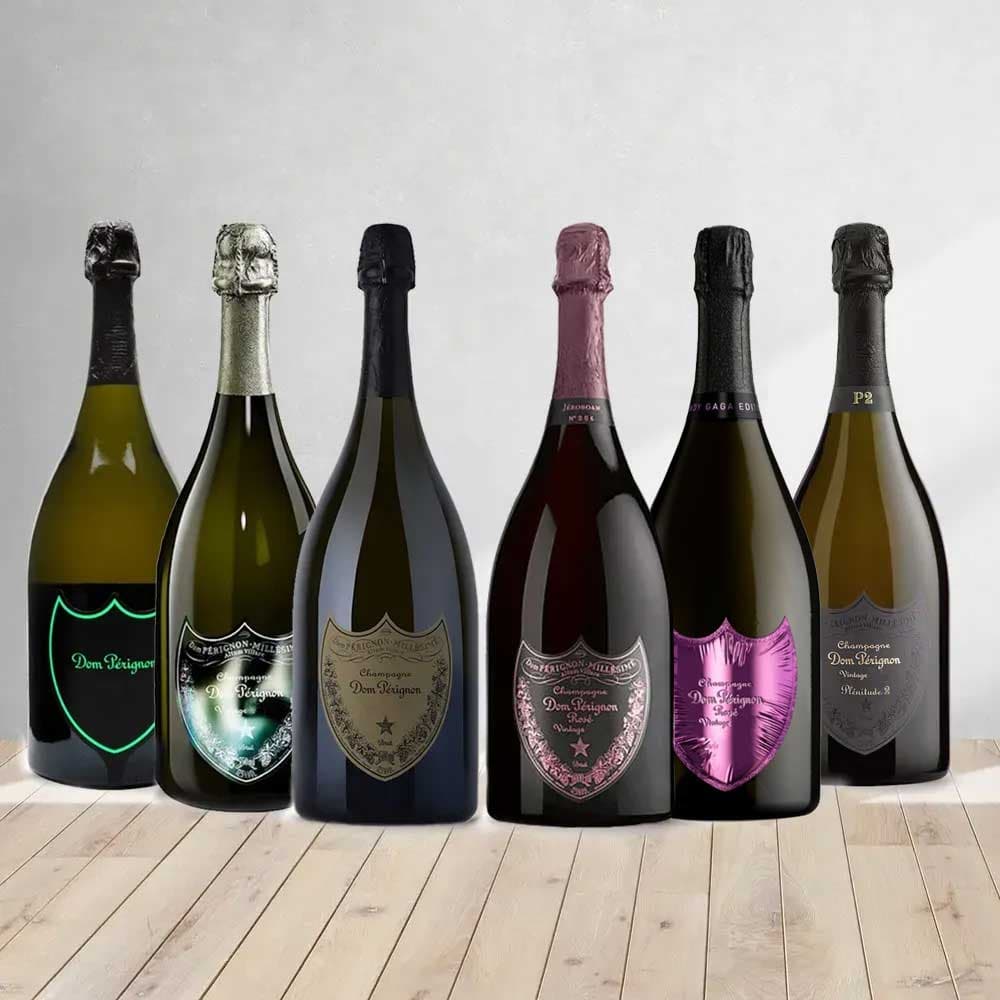
Time is the biggest difference between these two. Dom Pérignon releases each vintage at peaks it calls "plénitudes":
- Vintage (P1): released after roughly 8–10 years. This is the bottle most people buy.
- Plénitude 2 (P2): the same vintage aged around 12–15+ years. Deeper, richer and more intense.
- Plénitude 3 (P3): aged for decades. Extremely rare collector bottles.
Veuve Clicquot's non-vintage champagnes age for at least 3 years before release, which is generous for the category, while its vintage wines and La Grande Dame age longer. Even so, Veuve's style is built to be enjoyed on release, not cellared for decades.
Dom Pérignon vs Veuve Clicquot Taste
Taste is where these two start to feel like different drinks, not just different price tags.
What Does Dom Pérignon Taste Like?
Creamy, precise and layered. On the nose you'll find citrus, white flowers and a smoky, flinty edge that's a Dom Pérignon signature, with toasted brioche and roasted almond behind it. On the palate, crisp acidity and minerality come first, then honey and nuts as it opens up. The bubbles are fine and creamy rather than sharp, and the finish lingers and keeps changing as you sip.
What Does Veuve Clicquot Taste Like?
Bold, fruity and generous. Expect ripe apple, pear and citrus with toast and biscuit, and a hint of vanilla. Thanks to its Pinot Noir, it feels fuller and rounder in the mouth, with lively bubbles and a bright, satisfying finish. It's made to taste great the moment it's poured, and it has enough body to stand up to food.
Can a Beginner Taste the Difference?
Often, yes, but it's subtle. Most people notice that Dom Pérignon feels smoother and more refined, while Veuve Clicquot is louder and fruitier. At a noisy party with a hundred guests, you probably won't notice much. The difference shows up when you sip slowly, with good glasses and good company. If you're new to champagne, our guide to what champagne tastes like is a great starting point.
Food Pairing
- Dom Pérignon: oysters, caviar, lobster, scallops and other delicate seafood, where its minerality shines.
- Veuve Clicquot: sushi, roast chicken, Brie, mushroom dishes, fried appetizers and charcuterie. Its fuller body handles bolder flavors.
See our champagne and food pairing guide for more.
Bottle by Bottle: Dom Pérignon vs Veuve Clicquot Head-to-Head
Brand comparisons only go so far. Here's how their actual bottles stack up.
Dom Pérignon Brut vs Veuve Clicquot Yellow Label Brut
These are the two bottles most people are really choosing between. It isn't a like-for-like fight, since one is a vintage prestige cuvée and the other a non-vintage house Brut, but it's the comparison shoppers make most.
| Difference based on | Dom Pérignon Brut (Vintage) | Veuve Clicquot Yellow Label Brut |
|---|---|---|
| Type | Vintage prestige cuvée | Non-vintage house Brut |
| Style | Precise, mineral, elegant | Rich and structured |
| Main impression | Finesse and complexity | Power and generosity |
| Fruit profile | Citrus, white peach | Ripe apple, pear, yellow fruit |
| Secondary notes | Brioche, roasted almond, smoky hints | Toast, biscuit, vanilla |
| Body and bubbles | Light-to-medium, fine creamy mousse | Fuller, lively bubbles |
| Finish | Long, evolving | Bright, fruity |
| Aging before release | Roughly 8–10 years | At least 3 years |
| Typical price | ~$250–$400 | ~$60–$90 |
| Best suited for | Milestones, luxury gifts, collecting | Parties, weddings, everyday gifts |
Verdict: Dom Pérignon Brut is the better wine; Yellow Label is the better buy. Pouring for a crowd? Yellow Label wins easily. Marking one big moment? Dom Pérignon is worth the jump.
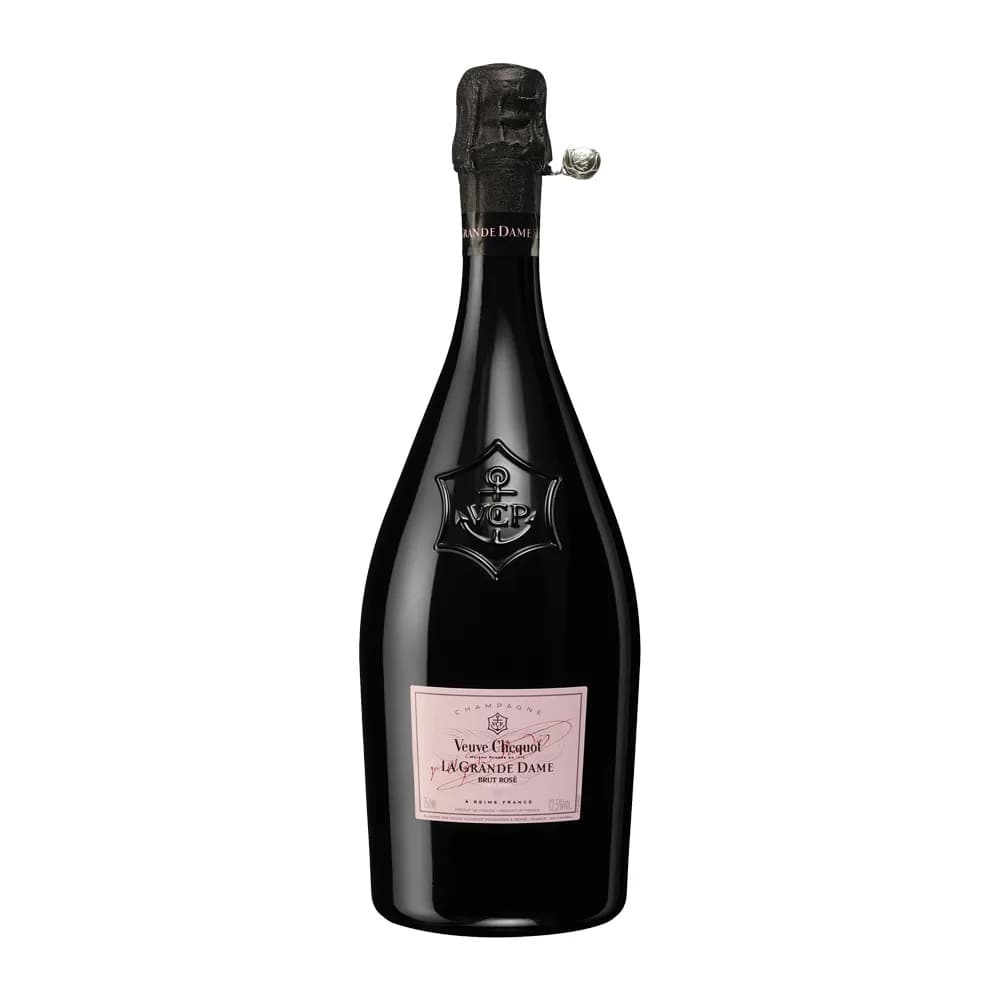
Dom Pérignon vs La Grande Dame (Prestige vs Prestige)
For a true like-for-like comparison, put Dom Pérignon against Veuve Clicquot's own prestige cuvée, La Grande Dame. Both are vintage-only, made in strong years and aged far longer than everyday champagne.
| Dom Pérignon Vintage | Veuve Clicquot La Grande Dame | |
|---|---|---|
| Style | Precise, mineral, elegant | Rich, powerful, red-fruited |
| Grapes | Chardonnay and Pinot Noir in balance | Around 90% Pinot Noir |
| Typical price | ~$250–$400 | ~$150–$200+ |
Verdict: a close call that comes down to style. Choose Dom Pérignon for finesse and collector prestige, or La Grande Dame for depth and better value.
Dom Pérignon Rosé vs Veuve Clicquot Rosé
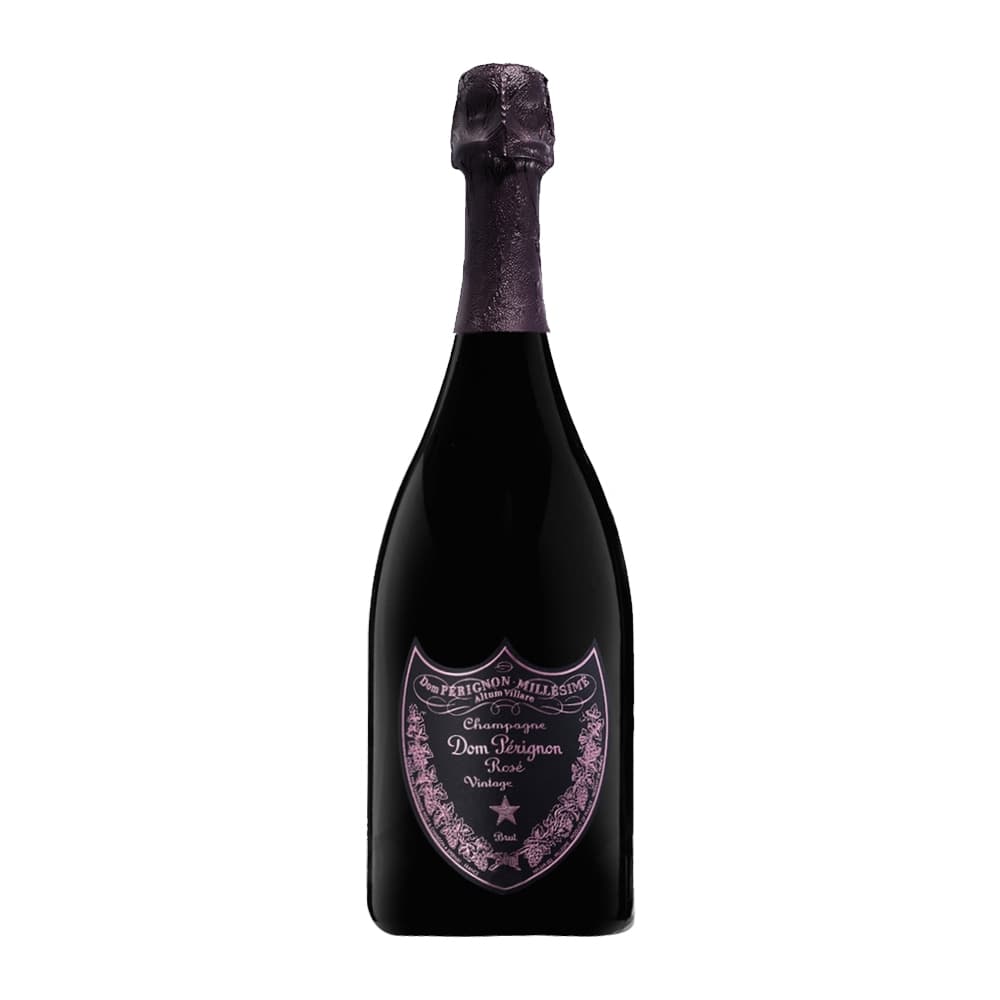
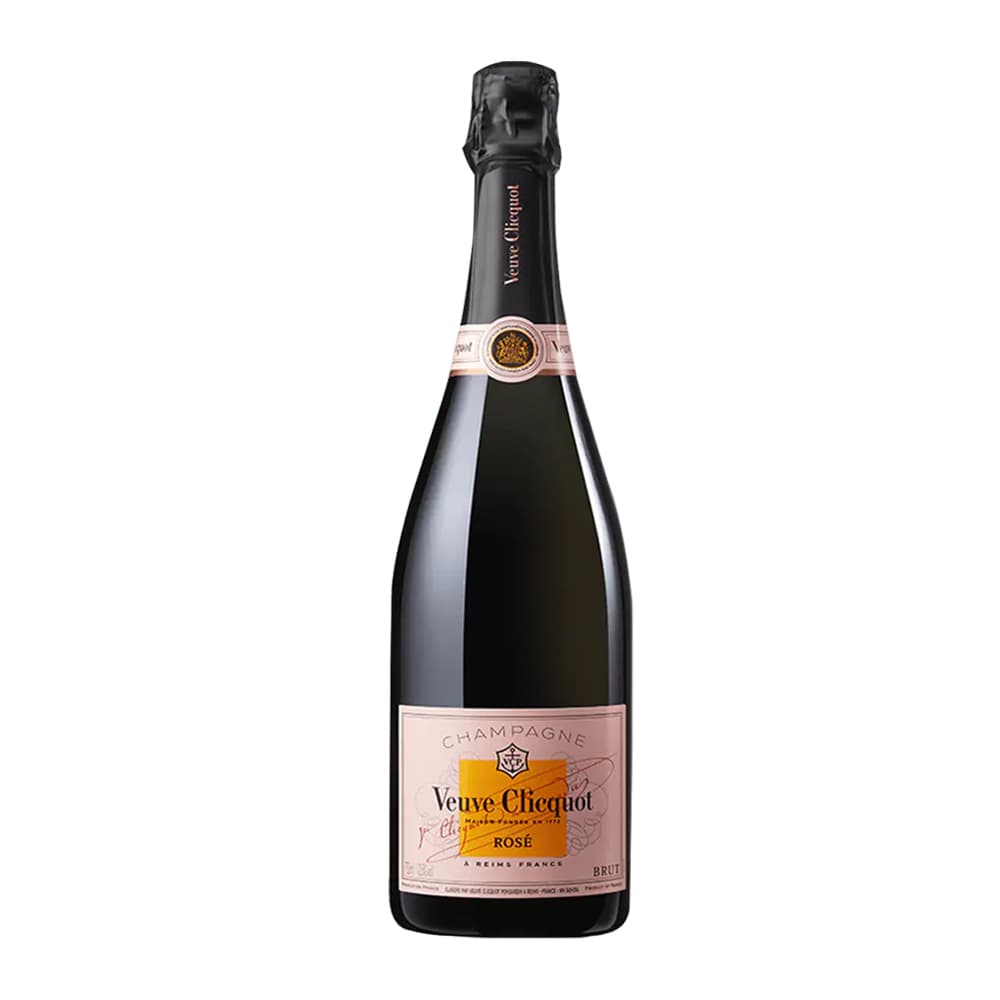
Veuve Clicquot Rosé (~$70–$100) is non-vintage, fruit-forward and soft, with red berry notes, perfect for brunch, showers and summer parties. Dom Pérignon Rosé (~$400–$500) is a vintage rosé with deeper, savory notes of red fruit, spice and cocoa, best for serious food pairings or a showstopper gift.
Dom Pérignon vs Veuve Clicquot Price
| Champagne | Type | Typical price (750ml) |
|---|---|---|
| Veuve Clicquot Yellow Label Brut | Non-vintage | ~$60–$90 |
| Veuve Clicquot Rosé | Non-vintage | ~$70–$100 |
| Veuve Clicquot La Grande Dame | Vintage prestige cuvée | ~$150–$200+ |
| Dom Pérignon Vintage | Vintage | ~$250–$400 |
| Dom Pérignon Rosé | Vintage | ~$400–$500 |
| Dom Pérignon Plénitude 2 (P2) | Late-release vintage | ~$500 to well over $1,000 |
Typical US retail prices. Prices change often and vary by vintage, retailer and state.
So, is Dom Pérignon more expensive than Veuve Clicquot? Yes, by a lot. Dom Pérignon's entry bottle costs roughly three to four times Veuve Clicquot's most popular champagne, and even Veuve's top cuvée, La Grande Dame, is usually cheaper than a standard Dom Pérignon.
Why Is Dom Pérignon So Much More Expensive?
- Time: nearly a decade of aging ties up cellar space and money.
- Selection: it's made only in great years, from the best grapes. Some years, there's simply no Dom Pérignon. The house has already confirmed there will be no 2023 vintage.
- Limited supply and brand power: fewer bottles, high demand and one of the most famous names in wine.
What Is the Cheapest Bottle of Dom Pérignon?
The standard Dom Pérignon Vintage (Brut) in a 750ml bottle, typically starting around $250. The most recent release is the 2017 vintage, with the 2015 still easy to find. Older vintages and holiday promotions can sometimes bring the price down a little.
How Much Is a Bottle of Veuve Clicquot?
Veuve Clicquot ranges from about $60–$90 for the Yellow Label Brut to $70–$100 for the Rosé and $150 or more for La Grande Dame. For full breakdowns by size, style and vintage, see our Veuve Clicquot price guide and our Dom Pérignon price guide.
Is Dom Pérignon Worth the Extra Money?
Honestly? Sometimes yes, sometimes no.
When it's worth it:
- Weddings and milestone anniversaries: it feels special, and people remember it.
- Big achievements: a promotion, retirement, graduation or landmark birthday.
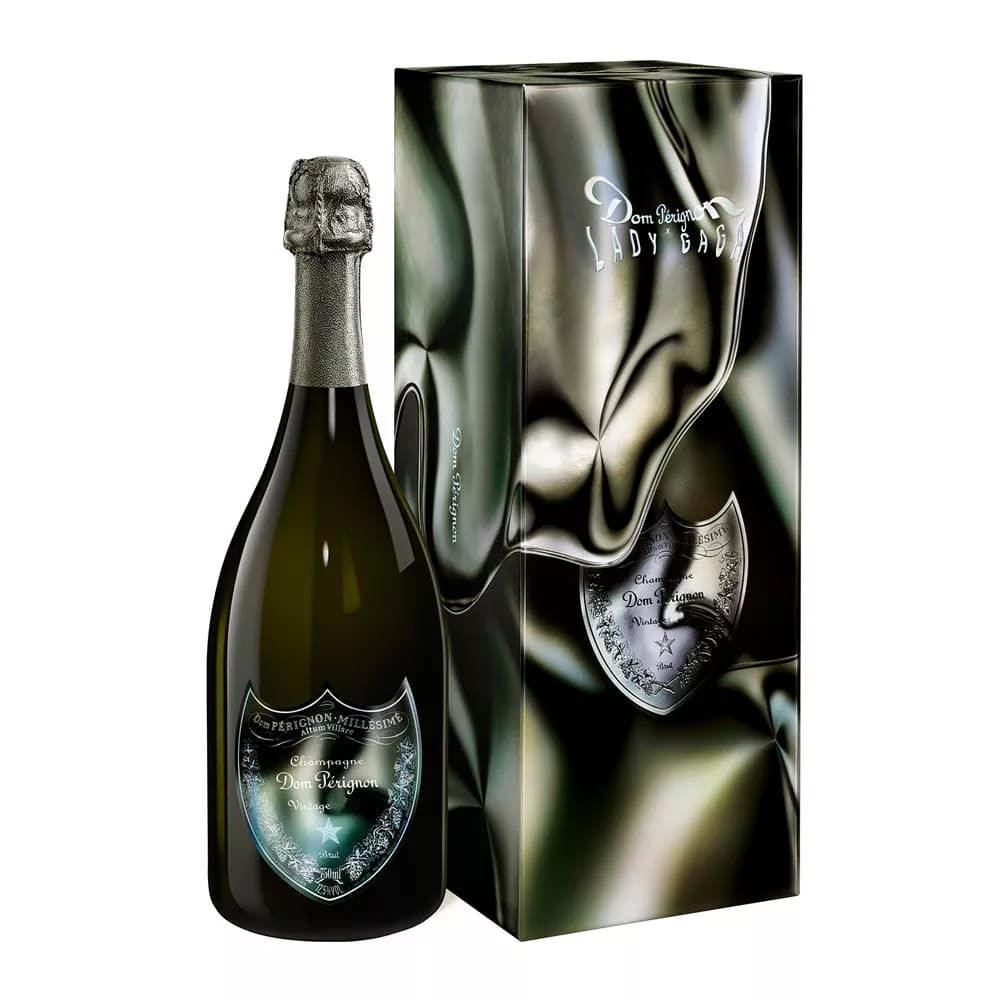
- Luxury gifts: the name and gift box carry real impact.
- Collecting: vintage bottles can be kept and enjoyed for years.
When it isn't:
- Large, casual parties: the nuance gets lost in the noise.
- Cocktails and mimosas: use something lighter (try our champagne cocktail ideas).
- Tight budgets: you'd be stretching a lot for a difference many guests won't notice.
The smart middle option: Dom Pérignon is highly rated (its 2015 vintage scored in the mid-to-high 90s with major critics), but the quality gap with Veuve Clicquot's own prestige bottles is much smaller than the price gap. A Veuve Clicquot Vintage or La Grande Dame gets you "special occasion" quality without the top-tier price.
Which One Should You Choose?
Choose Dom Pérignon if:
- You want crisp, refined champagne with layers that evolve in the glass
- You're celebrating a wedding, a big anniversary or a major milestone
- You want a gift that feels truly luxurious
- You'd like a bottle to cellar or collect
Choose Veuve Clicquot if:
- You prefer rich, fruity, full-bodied champagne
- You're buying your first bottle of "real" champagne
- You're hosting friends or serving a crowd
- You want great quality at a friendlier price
Still Not Sure? Pick by Occasion
| Occasion | Our pick |
|---|---|
| Weekend brunch or bridal shower | Veuve Clicquot Rosé |
| New Year's Eve or a big party | Veuve Clicquot Yellow Label |
| Wedding toast for guests | Veuve Clicquot Yellow Label |
| The couple's own first toast | Dom Pérignon Vintage |
| Milestone anniversary dinner | Dom Pérignon Vintage |
| Graduation or promotion | Veuve Clicquot Vintage or La Grande Dame |
| Top client or VIP corporate gift | Dom Pérignon (gift box) |
| Team or holiday corporate gifts | Veuve Clicquot Yellow Label |
| Collecting or cellaring | Dom Pérignon Vintage or P2 |
| Under $100 | Veuve Clicquot (more: best champagne under $100) |
Weddings
Veuve Clicquot usually wins, and it's simple math. Weddings often mean dozens of bottles, and Yellow Label's price makes that realistic. Plan on roughly one bottle for every six to eight guests for a toast (here's how many glasses of champagne are in a bottle). A popular compromise: serve Veuve Clicquot to guests and save one bottle of Dom Pérignon for the couple. More ideas in our best champagnes for a wedding toast.
Investment and Collecting
Dom Pérignon is the clear pick. It's vintage-only, ages beautifully when stored properly, and older vintages and P2 releases tend to hold or grow in value. Veuve's non-vintage range is made to drink within a few years. See our guides to the best vintage champagne and the most expensive champagne.
Dom Pérignon or Veuve Clicquot: Which Makes the Better Gift?
Both make excellent gifts thanks to instant brand recognition, but they send slightly different messages.
| Occasion / gift style | Dom Pérignon | Veuve Clicquot |
|---|---|---|
| Milestone anniversary | The bottle that says "this moment mattered" | A warm choice for yearly anniversaries |
| Wedding gift | A keepsake bottle for a future anniversary | A crowd-pleasing bottle to enjoy right away |
| Corporate gifting | Top clients and VIPs | Teams, clients and holiday gifting at scale |
| Birthday, housewarming, thank-you | Big birthdays only | The more versatile everyday luxury gift |
| Luxury impression | Exclusive, rare, collectible | Bold, iconic, instantly recognizable |
Read more on why Dom Pérignon makes such a good gift and why Veuve Clicquot is a good champagne gift.
What to Pair With Your Champagne Gift
One thoughtful extra turns a great bottle into a memorable gift:
- Anniversary: Dom Pérignon + dark chocolate. Its slight bitterness makes the champagne's creamy, layered taste stand out. (See our wine and chocolate pairings guide.)
- Wedding gift: Dom Pérignon + a pair of crystal champagne flutes for the couple's first toast.
- Birthday or brunch: Veuve Clicquot Rosé + strawberries or macarons. The berry notes match the fruit beautifully.
- Housewarming: Veuve Clicquot Yellow Label + salted nuts or a small cheese board, easy for the host to open and share.
- Promotion or graduation: Veuve Clicquot + a handwritten note. The bottle says "congratulations"; the note says "I'm proud of you."
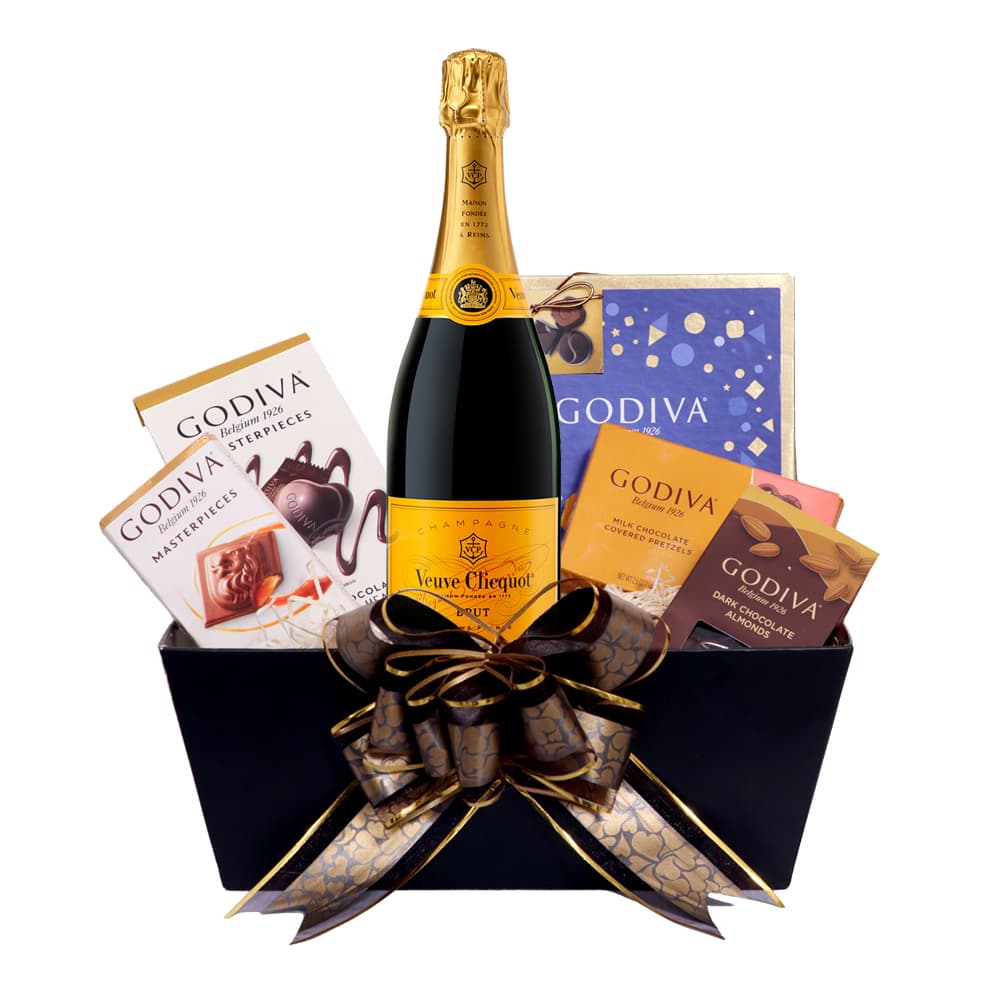
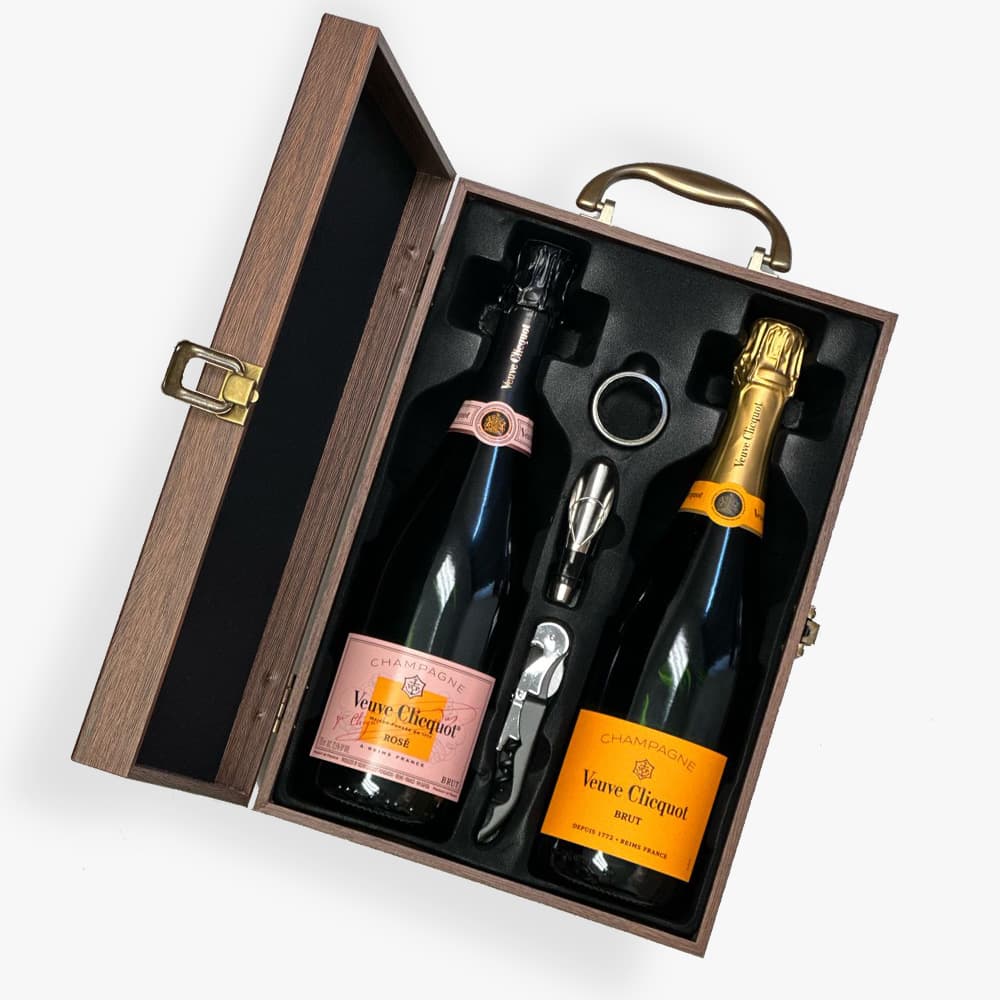
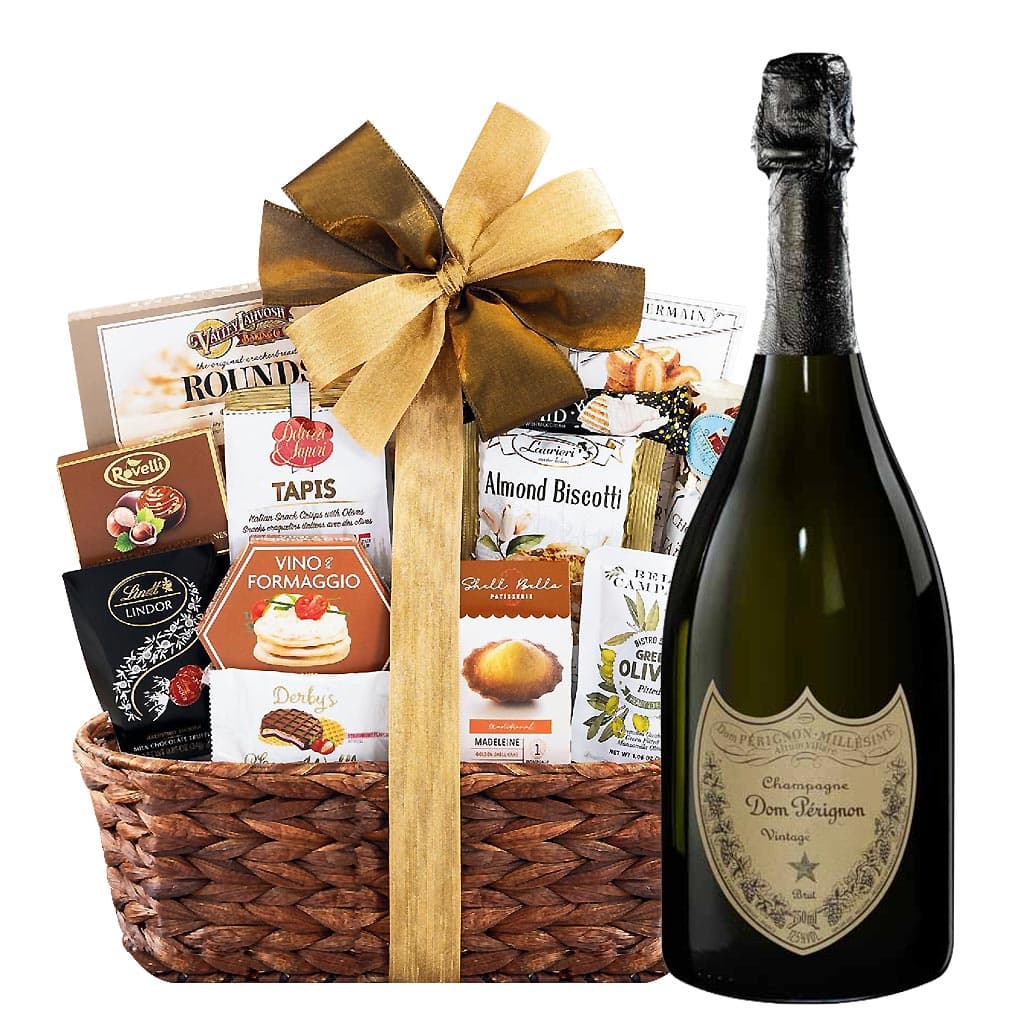
Want it done for you? Our Dom Pérignon and Veuve Clicquot gift sets pair each bottle with chocolates, flutes and gourmet treats. For more ideas, see what to pair with champagne as a gift and the best anniversary champagne.
How to Serve and Store Them
- Temperature: chill both to 45–50°F (7–10°C), about 3 hours in the fridge or 30 minutes in an ice bucket with water. (Why temperature matters.)
- Glass: a tulip or white wine glass shows off the aromas better than a narrow flute. (Champagne glass types.)
- Opening: tilt the bottle, hold the cork firmly and turn the bottle slowly. You want a soft sigh, not a loud pop. (How to open champagne.)
- Pouring: give Dom Pérignon a few minutes in the glass to open up; Veuve Clicquot is ready straight from the fridge.
- Storage: keep bottles cool, dark and on their side. Enjoy non-vintage within a few years; vintage Dom Pérignon can rest much longer.
Final Verdict: Is Dom Pérignon Better Than Veuve Clicquot?
In pure quality terms, Dom Pérignon is the more complex, more age-worthy champagne. But "better" depends on what you need.
If you want a crowd-pleasing bottle you can pour often and share generously, Veuve Clicquot is the smarter pick. If you're marking a once-in-a-while moment and want something unforgettable, Dom Pérignon is worth the extra cost. And if you want to land in between, La Grande Dame or a Veuve Clicquot Vintage is a smart move.
In one line: Veuve Clicquot is the champagne you drink often. Dom Pérignon is the one you remember.
Frequently Asked Questions(FAQ's)
Which is better, Dom Pérignon or Veuve Clicquot?
Dom Pérignon is more refined, complex and age-worthy, making it better for milestones, luxury gifts and collecting. Veuve Clicquot is the better value for weddings, parties and everyday celebrations.
What is the difference between Dom Pérignon and Veuve Clicquot?
Dom Pérignon is a vintage-only prestige champagne made from Chardonnay and Pinot Noir in exceptional years and aged around 8–10 years. Veuve Clicquot is a full champagne house known for consistent, Pinot Noir-led non-vintage blends, topped by its prestige cuvée, La Grande Dame.
Is Dom Pérignon more expensive than Veuve Clicquot?
Yes. Dom Pérignon Vintage typically costs about $250–$400, while Veuve Clicquot Yellow Label costs about $60–$90. Even La Grande Dame is usually less expensive than Dom Pérignon.
What does Dom Pérignon taste like compared to Veuve Clicquot?
Dom Pérignon is creamy, mineral and layered, with citrus, brioche, almond and a long finish. Veuve Clicquot is bolder and fruitier, with apple, pear, toast and a fuller body. Both are dry (Brut).
Is Veuve Clicquot a good champagne?
Yes. It's a well-reviewed, consistent champagne from one of Champagne's most historic houses, and one of the most popular first champagnes for beginners. More in our guide: Is Veuve Clicquot good champagne?
What makes Dom Pérignon so special?
It's made only in exceptional years, aged for nearly a decade, and every bottle comes from a single vintage. That scarcity and patience set it apart. See: Is Dom Pérignon good champagne?
Which champagne is best for a wedding: Dom Pérignon or Veuve Clicquot?
Veuve Clicquot for serving guests, since you'll need many bottles. Dom Pérignon for the couple's own toast or as a wedding gift.
Are Dom Pérignon and Veuve Clicquot owned by the same company?
Yes. Both are owned by LVMH (Moët Hennessy Louis Vuitton), which also owns Moët & Chandon, Krug, Ruinart and Mercier.
What is the cheapest bottle of Dom Pérignon?
The standard Dom Pérignon Vintage (Brut) in a 750ml bottle, typically starting around $250.
How much does Veuve Clicquot cost?
Yellow Label Brut typically costs $60–$90, the Rosé $70–$100, and La Grande Dame from around $150.
Is Dom Pérignon a vintage champagne only?
Yes. Every Dom Pérignon comes from a single harvest year, and the house skips years that don't meet its standards. There is no non-vintage Dom Pérignon.
What's the difference between Veuve Clicquot Yellow Label and La Grande Dame?
Yellow Label is Veuve Clicquot's non-vintage everyday Brut (~$60–$90). La Grande Dame is its vintage prestige cuvée, made mostly from Pinot Noir in strong years and aged much longer (~$150–$200+). It's Veuve's answer to Dom Pérignon.
Is Veuve Clicquot sweet or dry?
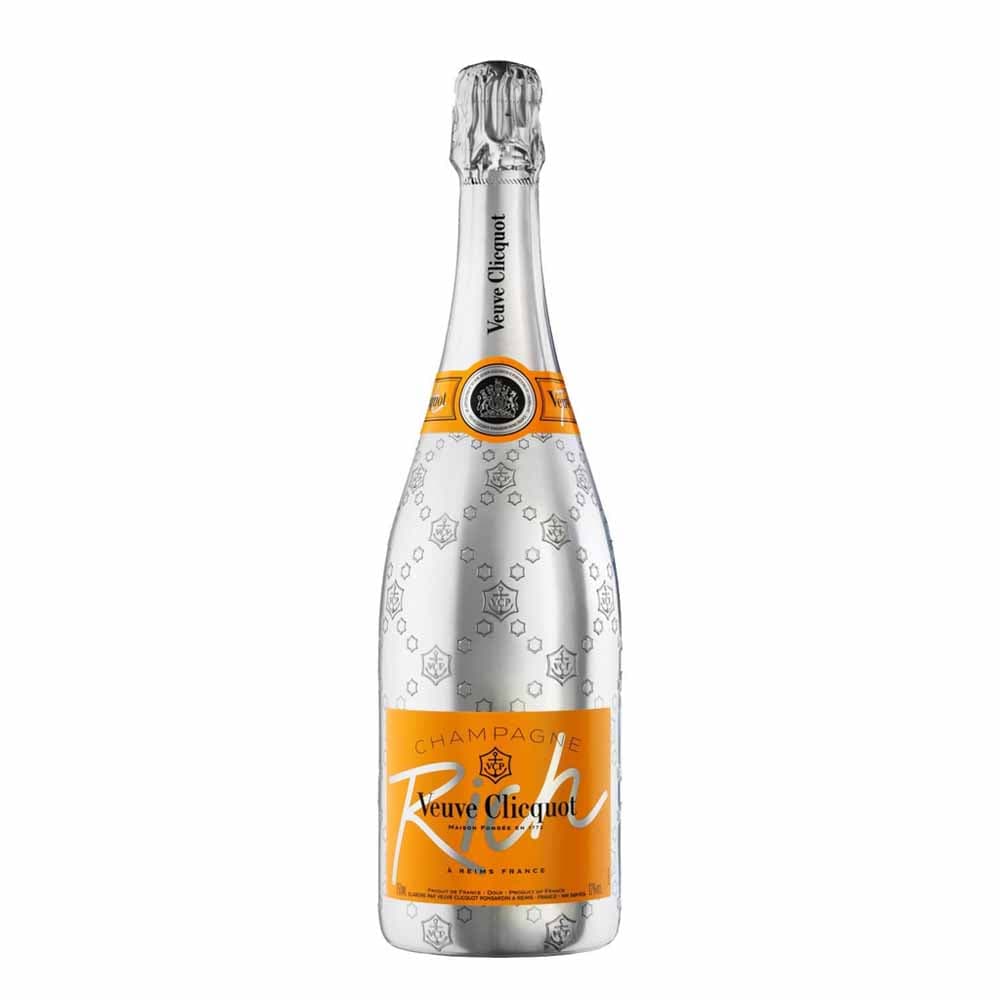
Yellow Label is Brut, so it's dry. If you prefer sweeter champagne, Veuve Clicquot Rich is designed for that and works well in cocktails.
How long can you store Dom Pérignon and Veuve Clicquot?
Non-vintage Veuve Clicquot is best within a few years of purchase. Dom Pérignon can age for 10 years or more when stored cool, dark and on its side.
Conclusion: Pick the Bottle That Fits the Moment
There's no wrong choice between Dom Pérignon and Veuve Clicquot, only the right bottle for the moment. Choose Veuve Clicquot when you want reliable, crowd-pleasing champagne to share. Choose Dom Pérignon when the occasion deserves something rare and unforgettable. Whichever you pick, the best champagne is the one shared with the right people.
Please drink responsibly. You must be 21+ to purchase alcohol.