















































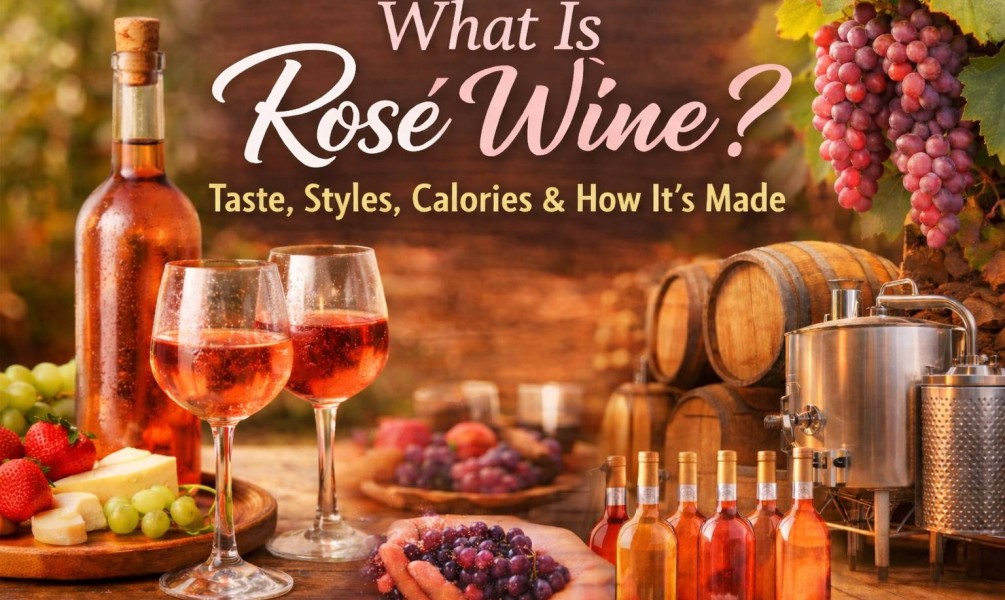
Rosé has become one of the most loved wines across the world. It is admired for its elegance, pretty pink hues, a refreshing flavour palate, and incredible versatility. Rosé wine is perfect for warm weather, casual gatherings, and easy wine and food pairings. In this feature, we will walk you through what does rosé wine tastes like, how rosé wine is made, and whether rosé is sweet or dry. This rosé wine guide answers everything in a simple and approachable way.
What Is Rosé Wine?
Rosé is a blush pink-hued wine that is made using black grape varieties. The skins of black grapes contain the colour compound that gives rosé wine its light pink colour. During the winemaking process of a rosé wine the skins remain in contact with the grape juice for a short time as compared to red winemaking. This results in extraction of that signature light pink colour and lighter, more fruitier flavours that are classically desired on a rosé wine. Short time of grape skin and juice contact also makes rosé wines lighter in body and tannins, while still retaining the fruit forward character of wine.
Opposite to what many assume, rosé wine is typically not a mix of red and white wine, but is mostly made using the short maceration technique. Although, there are exceptions to this - some regions do make still and sparkling rosé wines by using the blending method. Example of that is Rosé Champagne - the only style where blending of red and white wines is allowed to create this sparkling rosé. There are many fascinating styles of champagne out there, understanding Champagne Basics can help you choose the right one.
How Is Rosé Wine Made?
Rosé is produced using three methods:
Short Maceration: Skins of black grape varieties are kept in contact with juice for a short time, resulting in extraction of a pale, blush-pink colour and light fruity flavours.
Saignée Method: This term literally means “bleeding off”. During the red winemaking process, juice is bled off the skins early, before it gets the deep ruby hues and intense flavours. Bled off juice ferments to a light coloured and flavoured rosé.
Blending Method: Mostly used in production of Rosé Champagne, this method involves blending a small amount of red wine with white base wine for Champagne to achieve a delicate pink hue.
How is Rosé Wine Made Around the World?
France
French rosé wines with their powder pink colour and breezy fresh flavour profile need no formal introduction.
Provence
Provence Rosé, being one of the most famous, is known for its fresh red fruit character, and a style of wine that is also a style of life. The production method of Provençal rosé is in line to preserve the wine’s primary fruit freshness. Short maceration or direct pressing (grapes are not crushed but directly pressed to ensure maximum freshness and light colour) techniques are used and fermentation temperatures are kept cool to ensure minimum tannin extraction and retention of tart red berry notes. Oxygen contact is avoided throughout the winemaking process by use of airtight inert vessels for fermentation and maturation. Provence rosés are now famed around the world for their crisp quality, easy drinkability, and versatile food pairing nature. Classically Provence rosés are a blend of grape varieties like Grenache, Cinsault, Syrah, and Mourvèdre.
Bandol
Bandol is an appellation in Provence. This region produces rosé wines predominantly from the black variety Mourvèdre. Bandol rosé wines show more fruity depth as Mourvèdre ripens fully and reliably on the steep, sunny, south facing slopes.
Languedoc
Languedoc rosés are also well known for their fruit forward style and versatility. Departments of Languedoc & Rousillon together form the world’s largest wine region, making it possible to find many different styles of rosés.
Spain has long produced rosé wine, Rosado in Spanish. Historically most of it was simple and meant for domestic consumption. In recent times the exports have increased and with that the quality as well.
Spanish Rosados
Spain has long produced rosé wine, Rosado in Spanish. Historically most of it was simple and meant for domestic consumption. In recent times the exports have increased and with that the quality as well.
Navarra
Navarra region is well known for quality rosés which are dry and high acid. The best expression comes from old-vine Grenache but Tempranillo and other international grape varieties are also used. Navarra rosés are mostly made by the Saignée method.
Rioja
In Rioja, rosé wine follows the Spanish ageing hierarchy and does spend the required time in oak barrels. Grenache locally known as Garancha in Spain is used along with Tempranillo and wines are mostly made using the Saignée method.
Italian Rosatos
In Italy, rosé is known as Rosato and is produced across the country in a wide range of styles shaped by local climate and native grape varieties. In the cooler northeast regions like Veneto, Friuli-Venezia Giulia, Trentino-Alto Adige, and Lombardy, Rosatus tends to be light, pale, and elegant. Wines like Chiaretto and Friuli’s Ramato showcase fresh acidity, delicate fruit, and soft structure. Here rosado is mostly made from native grapes such as Corvina, Rondinella, and Pinot Grigio, resulting in light, refined and refreshing expressions.
Moving toward Central and Southern Italy, rosatos become deeper in colour and more structured. Cerasuolo d’Abruzzo, made from Montepulciano, offers a vibrant cherry hue with freshness and a food-friendly character, while southern regions like Puglia, Sicily, and Calabria produce fuller-bodied rosatos from native Italian grapes like Negroamaro, Nero d’Avola, and Frappato. These wines reflect the warmth and intensity of the south, delivering richer fruit, stronger structure, and excellent pairing potential with bold Mediterranean cuisine.
What Does Rosé Wine Taste Like?
The taste of rosé wine depends on the grape variety used, region of origin, and also on the production method used. But when choosing those beautifully hued rosé wines, you can generally expect notes of fresh red fruits like strawberry, raspberry, and floral undertones at times, think a light whiff of roses. A dry rosé wine will taste fresh and zesty, while a medium sweet or a sweet rosé wine will showcase lush, candied fruit on the palate.
Is Rosé Wine Sweet or Dry?
Rosé wine comes in varying sweetness levels from bone dry, crisp Provence Rosés to sweet and easy-going White Zinfandel from California. If you’re just about starting your rosé wine journey, it's always a good idea to check the label for the wine's region of origin, ask the store associates and always have a copy of this rosé wine guide at hand.
In general - European rosés like the ones from Navarra DO in Spain and Provence in south of France are lean and dry, new world rosés like Californian white zinfandel and some other regional styles tend to be more fruitier and sweeter.
How Is Rosé Wine Different From Red Wine?
Red and Rosé wine are both made from black grape varieties, but the main difference lies in how long grape skins remain in contact with the juice during winemaking. Red wine ferments with skins for a longer time, which is why it has deep colour, intense flavours, more tannins, and a fuller body. Rosé wine, on the other hand, has a very short period of skin contact, resulting in light pink colour, softer fruit flavours, and fresher taste.
In simple terms, red wine is richer, fuller, and more intense because it extracts maximum flavours, colour, and tannins from grape skins, while rosé wine is lighter, more refreshing, and easy drinking as the extraction of these components is kept to low levels.
Is Rosé White Wine?
No, rosé is not a white wine. White wine is made from white grape varieties or occasionally from black grapes without any skin contact during winemaking. Rosé on the other hand is made from black grapes with short skin contact. That is why it has a soft pink colour and light structure. White wine gets flavours and structure from the grape variety used. For comparison and better understanding, you can compare a well known white wine Sauvignon Blanc with rosé wine flavours and style.
What Is the Best Rosé Wine?
The best rosé wine depends on the style and flavour profile preferred by every individual. Some of the most well known and balanced rosés come from Provence, France where wines are known for being light, dry, and elegant. Navarra, Spain is known for fruitier and more vibrant styles with a bit of pink-orange hues. Spanish rosé is called Rosado. In Italy rosé is known as Rosato, wines are fruity, well-balanced, and food friendly. California is known for a medium sweet, low alcohol style of rosé called White Zinfandel, wines that have a very fruit forward nature with a complementing sweetness that’s not overpowering. The best roses wine is usually one that is dry, well-balanced, and refreshing rather than being overtly sweet.
Rosé Champagne
Rosé Champagne holds a very special place when it’s time for celebrations. So, let’s understand - is rosé Champagne different from regular Champagne?
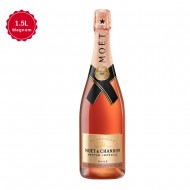
As we know from this article, rosé champagne is made by a special method that blends red and white wines or also by short maceration technique. The result either way is elegant, festive, and slightly more fruit-forward sparkling wine as compared to other styles of Champagne that may have more complex flavours and aromas. And because it is a sparkling wine from the Champagne region of France, it is known as Rosé Champagne.
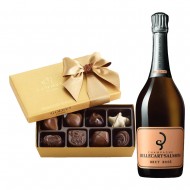
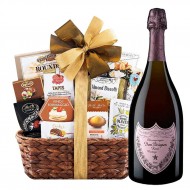
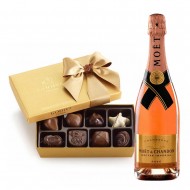
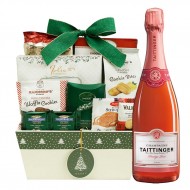
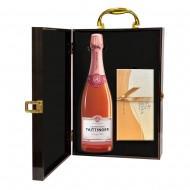
Rosé champagne pairs well with exclusive cheese and charcuterie boards or grazing platters for thatultra-luxe appeal.
How Many Calories in Rosé Wine?
So, is rosé wine good for you? In moderation, yes. Like red wine, rosé wine also contains antioxidants such as resveratrol, which may support heart health and be a dietary source when consumed within specified limits. Rosé wine is typically lower in alcohol and thus overall calories are lesser as compared to most red and some white wines.
If you’re keeping a tab on the calorie count, here’s a quick breakdown:
Calories in a glass of rosé wine (150 ml): 100 to 125 calories depending on the level of sweetness.
Calories in a bottle of rosé wine (750 ml): approximately 500-650 calories depending on the sweetness level.
Dry rosé wines will always have fewer calories, while sweeter styles with their higher residual sugar will have a considerably higher calorie count. Rosé wines generally lean towards a low to medium level of alcohol. Stick to a lower ABV percentage to slash the calorie count further. It is advisable to understand calories in different wine styles and know exactly what is there in your favourite glass of wine.
Rose Wine and Food Pairings, When to Drink Rose?
When to drink rose totally depends on your mood and on the occasion. Rosé wine is ideal for casual sipping alongside spicy kebabs or a hummus and pita platter at brunches or picnics. Rosé wine is meant for you to sip on a balmy summer afternoon or as an effortlessly stunning sundowner while you watch the sunlight fade away from your balcony.
Rosé Wine and Food Pairing Table
Here is a rosé wine and food pairing table that you can save, share, and effortlessly whip up a pretty table at your next party.
| Rosé Style | Taste Profile | Best Food Pairings | Why It Works |
|---|---|---|---|
| Provence Rosé (Dry & Light) | Crisp, citrus, strawberry, refreshing | Salads, grilled vegetables, seafood, sushi, light pasta | Light acidity complements fresh and delicate dishes |
| Spanish Rosado | Fruity, slightly bold, vibrant | Tapas, grilled chicken, Spanish paella, roasted vegetables | Fruitiness balances savory and smoky flavors |
| Italian Rosato | Fresh, balanced, herbal notes | Pizza, antipasti, pasta, Mediterranean food | Acidity cuts through olive oil and tomato-based dishes |
| California Rosé | Ripe fruit, smooth, approachable | Burgers, BBQ chicken, grilled seafood, sandwiches | Slight fruitiness pairs well with rich and smoky food |
| Sparkling Rosé | Crisp, bubbly, elegant | Fried food, cheese, seafood, brunch dishes | Bubbles cleanse the palate and enhance flavours |
| Rosé Champagne | Fine bubbles, strawberry, citrus, elegant & luxurious | Sushi, oysters, soft cheese, light desserts | Acidity and bubbles add freshness and balance |
Final Thoughts on The Pretty Pink Wine
Rosé wine is more than just a pink drink or a fashionable trend - it is a sophisticated and refreshing wine style that is made with artistry and intention. Rosé does combine the best qualities of both red and white wine.
Now that you understand how rosé wine is made, what rosé tastes like, and how it is different from red wine, choosing the right rosé wine and enjoying it becomes much easier. Whether you’re exploring Rosé Champagne, looking for the best rosé wine, this elegant wine style remains one of the most enjoyable wine styles in the world.
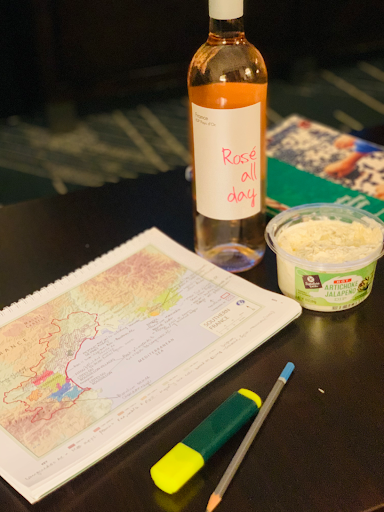
Rosé is stylish, simple, and perfect for almost any occasion - a true reflection of wine as it should be. Here, I was enjoying a cozy study evening in Chicago as I sipped on this Provençal rosé paired with a creamy side salad.
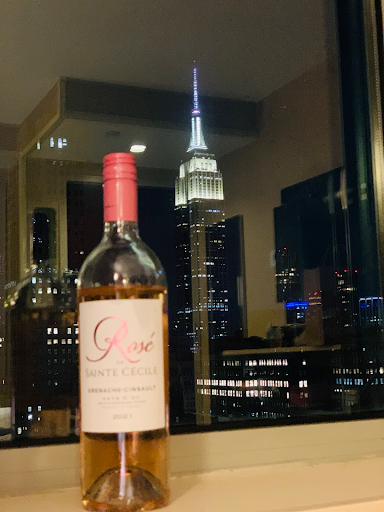
Relishing a glass of Provence rosé while gazing at the New York skyline on a clear summer night.











Leave a Comment