











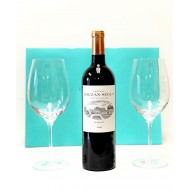
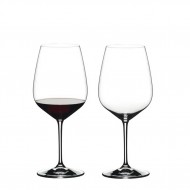
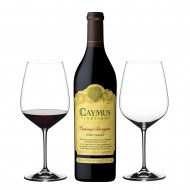

















Champagne is more than just a pop and open celebratory drink, it is a refined sparkling wine that truly deserves the right glass to fully express its aromas, flavours, fine bubbles, and elegance. Champagne lovers and enthusiasts often wonder about the kind of Champagne glasses, and what is the best glass for champagne of every style. In this guide we explore the different types of champagne glasses, their shapes, and how they affect our champagne drinking experience - all this in a simple and approachable way.
Why Champagne Glass Type Matters?
Does the type of champagne glass make a difference? Absolutely yes!! The shape of Champagne glass directly affects:
- Bubble retention
- Aroma concentration
- Temperature control
- Overall taste and texture
The shape of a champagne glass controls how bubbles rise, how aromas get collected towards the rim and reach your nose, and finally how the wine touches your palate as you drink it.
Now, are you wondering if the type of champagne glass impacts the drinking experience? Yes, it does! The right type of champagne glass can enhance the overall experience as it enhances freshness, holds in the CO2 bubbles, and allows you to enjoy wine’s complexity layer by layer. A wrong glass can make even the best Champagne to feel flat or underwhelming. Simply said, the right glass helps champagne taste better and does this premium wine justice.
Different Types Of Champagne Glasses
There are three main types of Champagne glasses that are widely used:
- Coupe Champagne glass
- Flute Champagne glass
- Tulip Champagne glass
Each of these Champagne glasses have a unique design and purpose.
Coupe Champagne glass
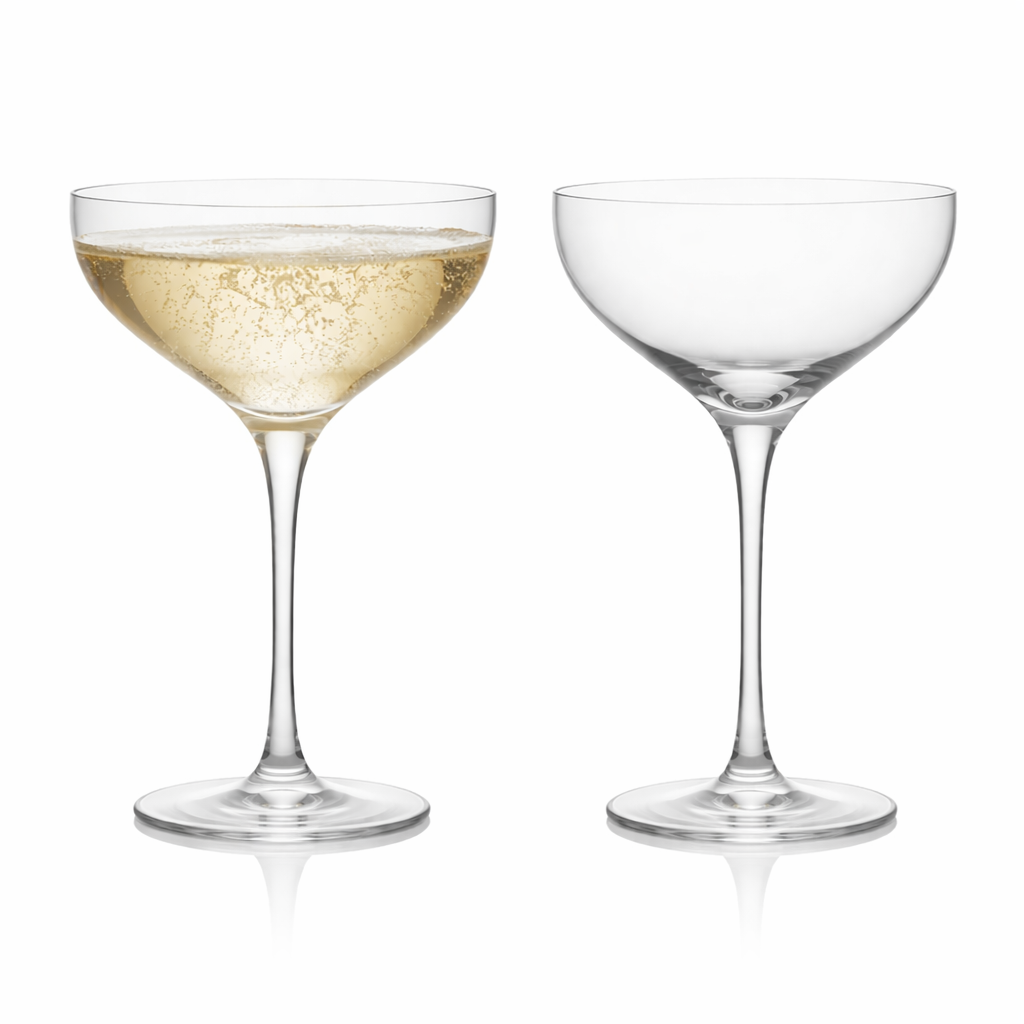
The champagne coupe is one of the oldest and most iconic shapes of Champagne glasses. These glasses, also referred to as Champagne saucers, were specially created for serving everyone’s favourite bubbly wine. One of the oldest Champagne glassware, coupe glasses give off those Downton Abbey vibes with their broad and shallow bowl, and a classy, short stem. The coupe was popular in the 18th and 19th centuries and is associated with luxury and classic style of celebrations.
The wide bowl and large surface area allows bubbles to escape quickly, which means Champagne loses its fizz faster. However, it creates a vintage aesthetic and a stylish presentation. Coupes are often used for Champagne towers, sparkling wine cocktails, and vintage-themed events. Coupes might not be ideal for holding on Champagne bubbles, but they do bring glamour, and old-world drama to the table.
Flute Champagne glass
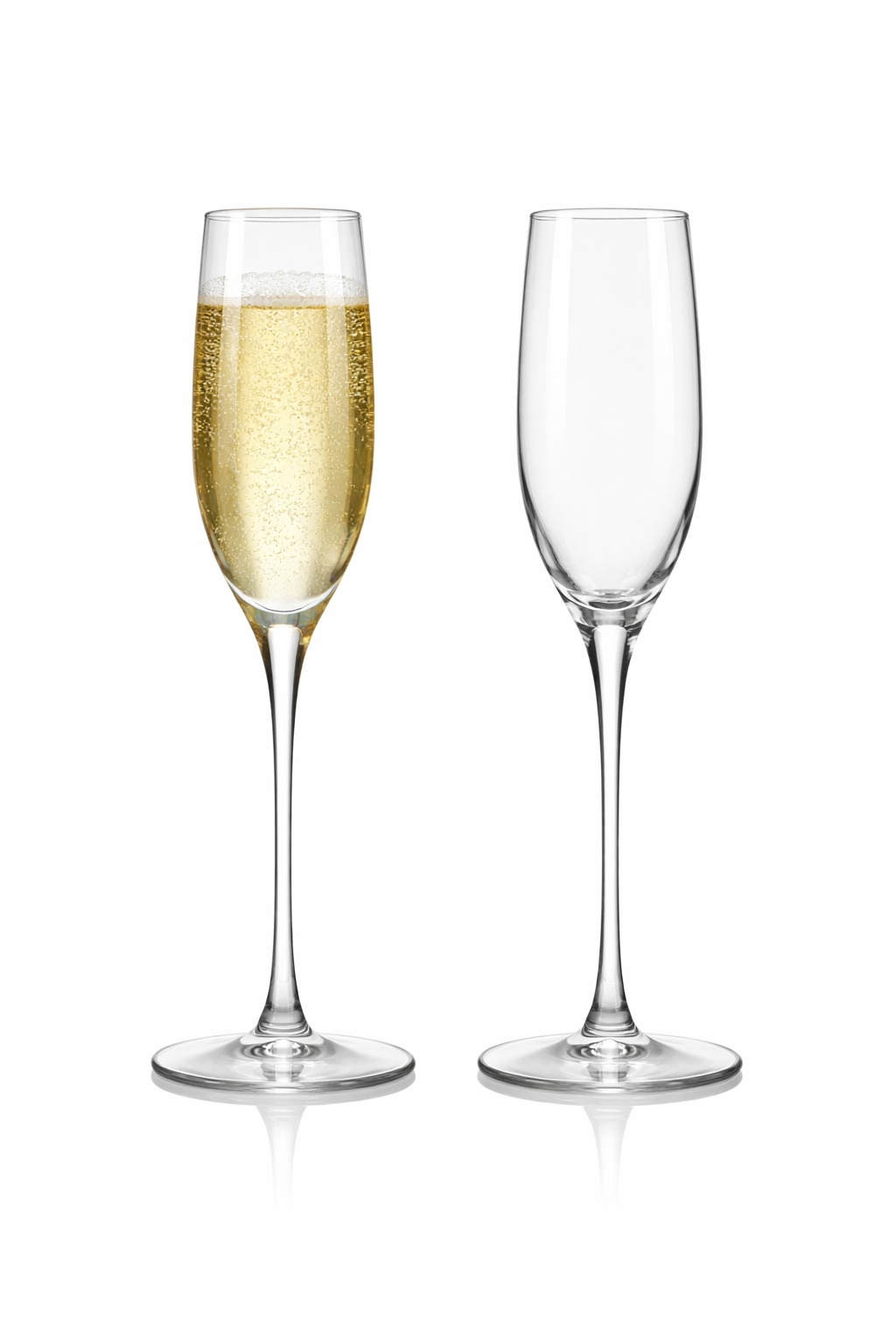
The flute is the most recognisable glassware among the types of Champagne flutes and is used widely at wedding celebrations, cocktail parties, and wine dinners. By the mid 1900s the coupes slipped out of favour and made way for flute Champagne glasses, which were more slender and stylishly slimmer.
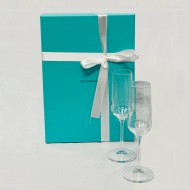
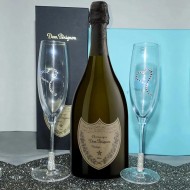
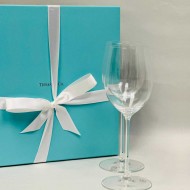
The signature narrow design of a Champagne flute is conducive to holding Champagne’s CO2 bubbles for a long time and also better preserve the flavours concentrating them close to the nose for an enhanced aroma experience. The indentation helps to accumulate bubbles and allows them to rise softly towards the top as you drink and enjoy the fine fizz. Bubbles rising vertically is also a visually appealing experience, specially as you pour the Champagne into beautiful Tiffany Toasting Flutes.
There are different variations of the Champagne flute, designs theatre traditional to some that are more unusual, take a look at the common styles of Champagne flutes:
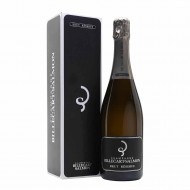
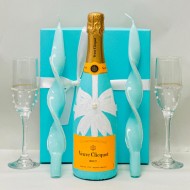
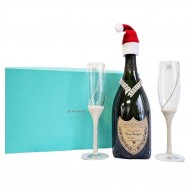
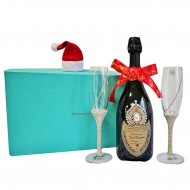
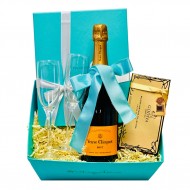
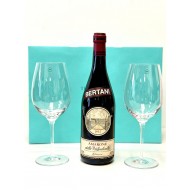
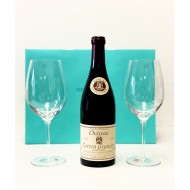
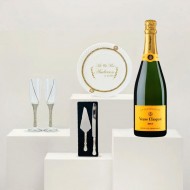
The classic Champagne flute: The classic flute has a long stem, and a slender bowl that tapers towards the top end. This design captures and retains bubbles and delicate aromas for a long time. Our Tiffany Champagne flutes set and Bollinger Brut Cuvee Champagne makes an exquisite and luxurious gift set for every special occasion or the best gift for champagne lovers.
- The trumpet Champagne flute: The trumpet champagne glass curves outwards giving it that trumpet shape. Trumpet shape helps in concentrating bubbles towards the rim and fizzy sparkle stays on for a longer time.
- The stemless Champagne flute: This is my new favourite style of Champagne flute, specially when I’m trying a Champagne cocktail. It is more casual and fun as the missing stem makes it a bit informal. But, keep in mind to serve the champagne a bit colder than normal, as the warmth from your palm can warm the wine quickly.
Tulip Champagne glass
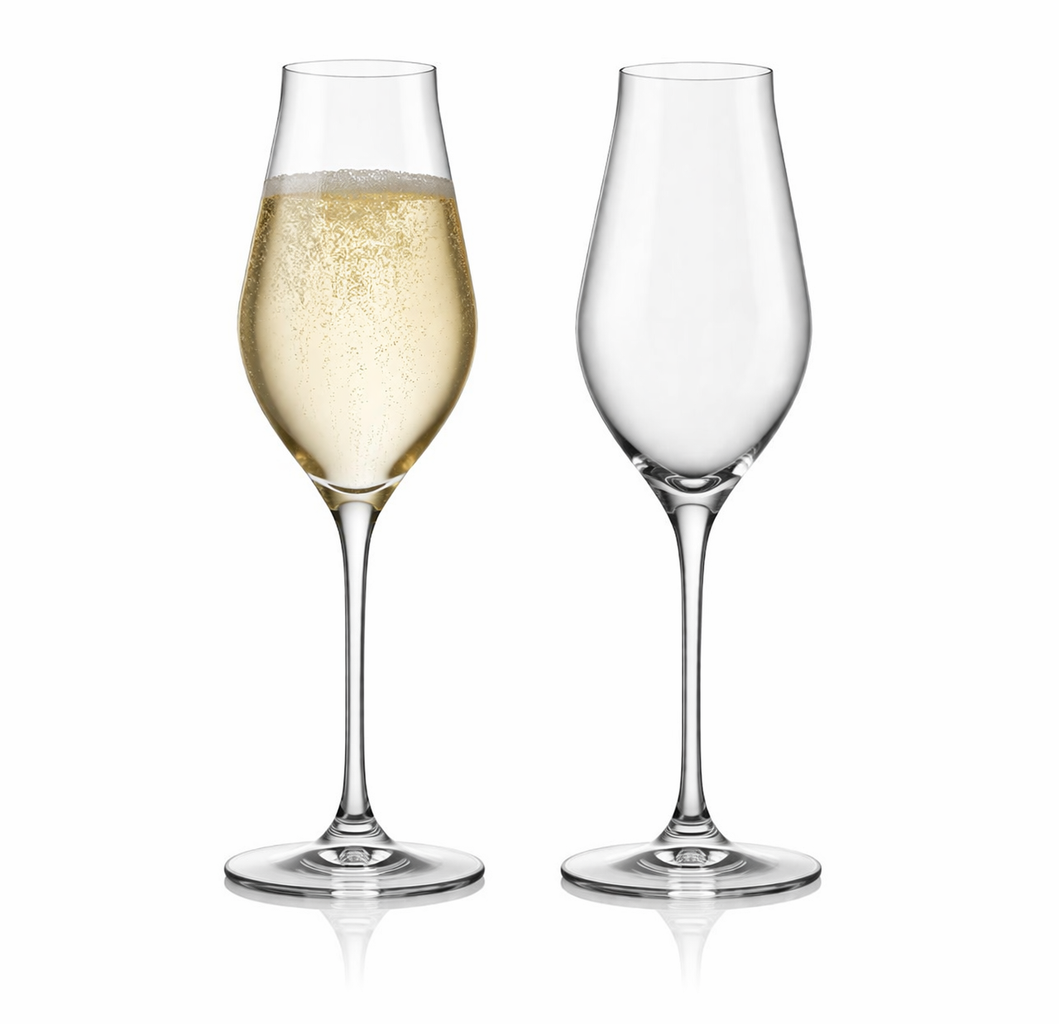
The tulip glass is often considered the most balanced among the different styles of Champagne glasses. Tulip glass is actually a favourite of wine professionals and sommeliers as they reckon it is the perfect glass for tasting all styles of champagne. A slightly wider bowl and a narrow top opening allows for better aroma development, bubble retention, and an enhanced tasting experience. The wider bowl gives complex Champagnes more room to breathe while the narrow rim keeps the CO2 intact.
Shapes of Champagne Glasses and Their Purpose
Understanding the shapes of Champagne glasses helps in choosing the right one.
| Glass Type | Shape | Best For |
|---|---|---|
| Coupe | Wide and shallow | Style and presentation |
| Flute | Tall and narrow | Bubbles and celebrations |
| Tulip | Curved and balanced | Aroma and tasting |
Different shapes and styles of Champagne glasses influence aromas, fizz, and flavour development, each enhancing the experience of drinking Champagne.
What is The Best Glass For Champagne?
The best Champagne glass depends on the purpose and style of Champagne.
For celebrations: Champagne flute works well because it keeps the bubbles lively and looks elegant as the gold hued sparkling wine takes shape in it.
For fine Champagne and Champagne tastings: Tulip Champagne glass is often preferred because it balances aromas and flavours, and works well for all styles of champagne.
For style, vintage vibe, and glamour: Coupe brings in the festive, retro vibe. Choose coup champagne glass if you’re planning on revelling and making a champagne tower or when you simply want vintage charm in the theme.
Can Champagne bedrock in a Regular Wine Glass?
Yes, it can, especially at times where you might not have access to a Champagne glass. A regular white wine glass is similar to the tulip champagne glass, it allows gradual aroma and bubble concentration towards the top. The wide bowl gives surface area for aromas to open up, especially for complex styles of champagne. Keeping the pour small would help in maintaining bubbles for a longer time.
Traditional Champagne glasses are designed with special effervescent points at the base to gently release CO2 bubbles while also creating a festive aesthetic in the glass.
Different styles of Champagne glasses
Apart from traditionally used champagne glasses, there also different types of Champagne glasses available today :
- Stemless Champagne glasses
- Coloured glassware
- Engraved glasses
- Vintage designs
- Crystal Champagne glasses
Core functionality of different champagne glasses is almost the same. But different types and finer champagne glassware like crystal champagne glasses are often preferred because they are thinner and enhance champagne’s visual clarity and taste experience.
Where to Buy Champagne glasses
At Wine & Champagne Gifts, we offer a wide selection of high-quality Champagne glasses. Choose from renowned brands like Riedel and Tiffany & Co., known for their exceptional design and premium quality. Whether you’re shopping for personal use or a thoughtful gift, look for thin crystal glass, comfortable stem, blanched bowl shape, and durable quality for a better tasting experience and long-lasting elegance.
Final sip - Champagne glassware
Champagne is delicate and a very expressive sparkling, the glass you choose plays a vital role in meeting you to enhance that experience. Understanding the kinds of champagne glasses, their names, and shapes helps you better appreciate the champagne. Whether you prefer the elegant look of champagne flute, the old world charm of a coupe, or the balance of a tulip glass, each offers a unique experience. So pour and toast with our guide to the best champagnes and let bubbles do the talking!










Leave a Comment