




































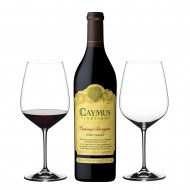
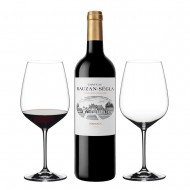
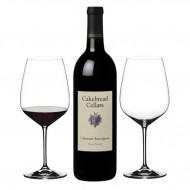
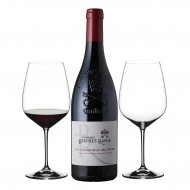

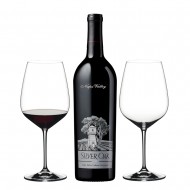














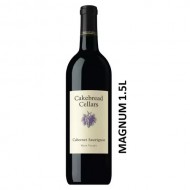


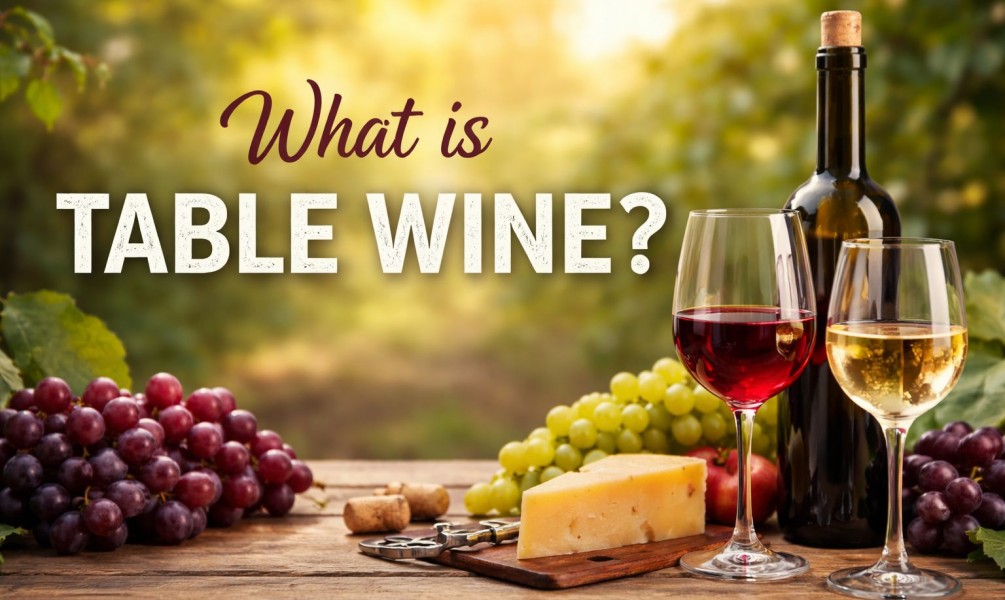
If you stood in a wine store wondering “what is table wine”, you’re not the only one. The term sounds simple or almost too simple, yet it carries a multitude of meanings depending on context, country, and style of wine. In this guide, we’ll define table wine, breakdown the table wine meaning, explore table wine alcohol percentage, and answer common queries like what is red table wine and what are table wines in today’s wine world. Let’s uncork it properly.
What Is Table Wine?
Table wine is a still (non-sparkling), non-fortified wine typically served with meals, contains moderate amounts of alcohol, and is mostly fruit-forward rather than being complex. That is the practical table wine definition most wine professionals would agree on. Traditionally, the term referred to wines meant for everyday, casual drinking at the dining table and paired well with daily simple or even festive meals. Table wines were never overtly complex or high in alcohol, making them a good everyday wine for family meals. Think approachable, food-friendly, and easy to enjoy wines.
So the exact answer to what are table wines would be - Wines designed for regular consumption (in moderation), typically still, fruit-forward, balanced, and moderate in alcohol.
Table Wine Meaning : Is It Cheap Wine?
Alright, this is where the confusion begins. In some regions, table wines historically meant basic or low-tier wines. But, that’s not always the case. In the European classification system for wines, particularly in countries like France and Italy, table wines once referred to wines without a PDO (protected geographical classification), a term defined by wine law. The grapes for these wines are generally sourced from anywhere in the country, or sometimes could even be blended with other EU countries. These wines generally have minimal regulations, as the goal is to provide affordable, unpretentious, simple wines for daily drinking, often sold in large format bottles or other packaging.
Table wine terms in European countries :
- Vin de Table in France and is now rebranded as Vin de France.
- Vino da Tavola in Italy, the term is still used as is.
- Deutscher Tafelwein is the term for German table wines.
You will find these terms being used regionally as most table wines are meant for home country’s own domestic consumption. But the fact is, many outstanding wines were once labelled as “table wines” simply because they didn’t follow strict regional rules. Today, the term is more stylistic than hierarchical. A table wine can be affordable, easy-drinking, and yet be beautifully crafted and an excellent pairing for everyday delicious fare.
Table Wine Alcohol Percentage
Table wines have moderate alcohol percentage. Generally, the ABV for table wines stays between 11% to 14%, commonly staying below 14%, making the wine style approachable and not too heavy on alcohol. In many regulatory systems, table wines fall below 15% alcohol. Wines above that level can be classified into different styles or will not be as simple or light as table wines are known to be. So if you see a wine bottle and wonder whether or not it qualifies under the traditional table wine definition, look at the ABV. If it sits comfortably in the moderate range we stated above, and the wine is easy and fruity, it likely does.
What Is a Red Table Wine?
A red table wine is simply a still red wine meant for everyday drinking and food pairing. For this reason it is a simple, fruity style of a red wine with moderate alcohol levels. It is not sparkling nor fortified.
Common characteristics of red table wine:
- Medium body for ease of drinking
- Balanced tannins to keep the wine lighter
- Moderate alcohol, usually between 12% to 14%, making it fit for regular consumption
- Food - friendly structure
- Neutral, mostly primary flavours that are not overtly complex
Red Table wines can often be blends of different grape varieties. Grape varieties commonly used for red table wines
- Cabernet Sauvignon
- Merlot
- Syrah
- Sangiovese
- Grenache
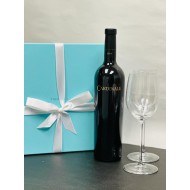
Red table wines are versatile because of their fruit-forward profile and medium alcohol levels. These wines make everyday dining special as they pair beautifully with grilled meats or vegetables, pastas, and a host of spiced Indian dishes. Since table wines are moderate in alcohol, they surely help to keep calories in red wine under check as you choose to sip smart. Their versatile and easy nature makes red table wines a natural choice when you’re looking for red wine gifts.
What Are Table Wines in Modern Wine Culture?
In today’s wine landscape, the definition of table wines has evolved. Table wines today are simply not the base category wines with lesser complexity, but include - well-balanced entry level wines from well known wine regions, artisanal natural wines, elegant bistro style bottles which are a famed regional offering in many wine regions, and house wines at fine dining restaurants. In many cases, a table wine would be any still wine you would enjoy comfortably with a meal, getting great value and taste. It’s less about hierarchy and pretence, and more about purpose.
Table Wine vs Sparkling and Fortified Wine
Table wine is the quiet and subtle backbone of the wine world, no bubbles, no added spirits or sweetness, just fermented grape juice in its purest, everyday version.
Take a glance to easily understand the difference between table wine and sparkling and fortified wine:
| Wine Type | Carbonation | Alcohol | Example |
|---|---|---|---|
| Table Wine | Still | 9-15% | Red, white, rosé |
| Sparkling Wine | Carbonated | 10-13% | Champagne, Prosecco, Cava |
| Fortified Wine | Still | 16-22% | Port, Sherry |
Why the Term “Table Wine” Still Matters
Despite sounding simple and humble, understanding what is table wine helps demystify wine language. It reminds us that wine does not always have to be collectible, pretentious, aged for decades, expensive, and complex beyond approachability. At its core, wine began as something to accompany food and friendly conversations, that’s exactly what table wine represents.
Final Sip: The Real Table Wine Meaning
If we peel away regulation and clarification, the true table wine meaning and also the literal one is - Wine meant to be shared at a table. Whether red, white, or rosé - whether from a famous region or a lesser known one, table wine is about accessibility, balance, and simple pleasure. And perhaps, that’s the reason why it remains one of the most searched phrases in wine education. Because sometimes, simplest wines are the ones that truly matter the most.
If you found this guide helpful, save it for your next wine purchase or share with a friend who’s just starting their wine journey.











Leave a Comment