













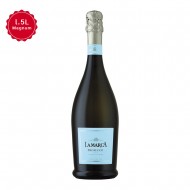
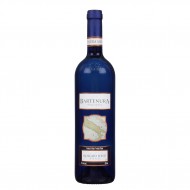







































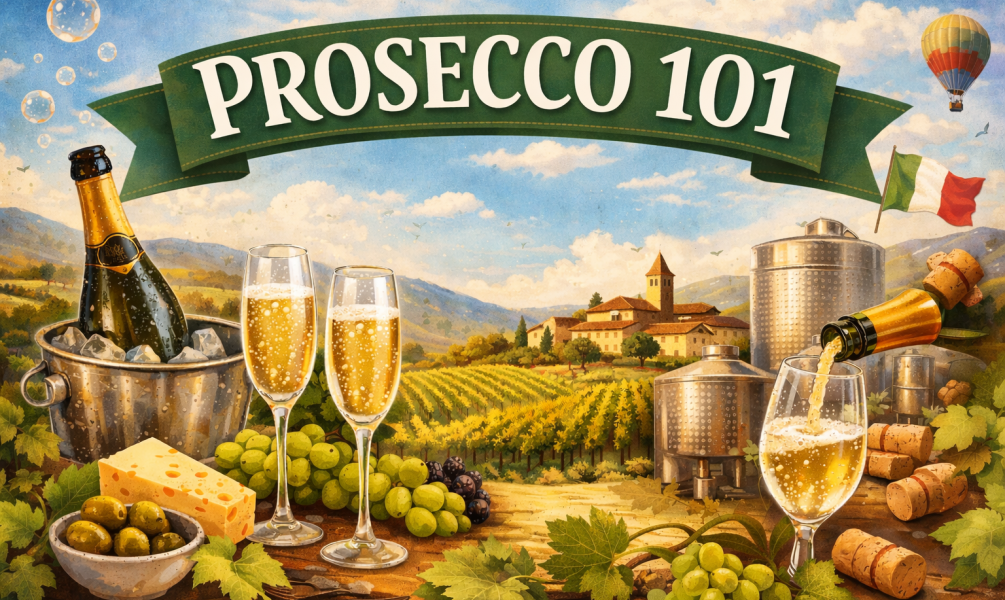
Prosecco is often thought of as a simple, fruity, mass-market sparkling wine, made from the native Italian grape - Glera. It is often construed as a wine that’s easily found on shelves of deep-discounter supermarkets like Aldi. But the reality of Prosecco is different, and the wine is yet to find its true identity in the world of sparkling wines. Let’s understand the different tiers in which Prosecco exists and decode the terms on premium Prosecco labels. This article will guide the readers through Prosecco’s origin, its winemaking technique and everything from tasting notes to serving tips.
Prosecco was initially produced in the DOC (Denomination di Origine Controllata) of Conegliano Valdobbiadane, a recognised DOC since 1969 and a traditional centre of Prosecco production. With changes in law in 2009, Prosecco DOC became its own denomination (demarcated wine growing area) with inclusion of the DOCGs ( Denomination di Origine Controllata e Garantita) of Asolo and Conegliano Valdobbiadene.
What Is Prosecco?
Prosecco is a sparkling wine, at its core, originating in the rolling hills of Northeast Italy, joyful, approachable, and surely celebratory. While Champagne often steals the limelight for its posh appeal and grandeur, Prosecco charms drinkers with its freshness, playfulness and an approachable complexity found in the higher-tier categories. So, let’s delve deeper into what Prosecco wine really is and why has it become so adored across the globe?
What are Prosecco Grapes?
Prosecco is made from a grape variety Glera - the star grape also referred to as the ‘Prosecco grape’, which renders the wine its signature floral and grape-y aromas and flavours. If you’re still wondering what is Prosecco and what is Prosecco made from, the answer is fairly simple: The Glera grape must lead, and less often a small quantity of other white grapes approved by Italian wine law could be added. The result is a fun and bubbly wine that dishes out the expressions of - fresh peaches, crisp apples, sweet grapes, and delicate blossom like notes. Prosecco will surely remind you of spring, even if it is your favourite Christmas wine.
Typical flavour notes include fresh peaches, crisp apples, sweet grapes and delicate blossom aromas.
Where is Prosecco Wine Made?
To understand where Prosecco is made, picture sun-drenched vineyard parcels stretched across the expanse of Veneto and Friuli Venezia Giulia in Northeast Italy. So yes, all true Prosecco comes from Italy. As mentioned earlier, the Prosecco DOC now covers both regions Asolo and Conegliano Valdobbiadane but, the more prestigious and complex Prosecco wines labelled as Prosecco DOCG, come from the very best hillside vineyard sites of these two premium denominations. The higher tier wines showcase expression of terroir, craftsmanship and heritage winemaking at their very best. While Prosecco DOC wines are always delicious and fun, DOCG bottles are crafted from steep slopes, where grapes are hand harvested and wines present a deeper flavour concentration, elegance and complexity.
Is Prosecco Wine or Champagne?
Many sparkling wine lovers wonder about the real difference between Champagne and Prosecco? Well, the simple answer is, Prosecco is a sparkling wine but not Champagne. Prosecco and Champagne are two distinctively different styles of sparkling wine that are produced using different grape varieties, different production methods, and hail from different wine regions.
Champagne grape varieties - total 7 that are allowed, but mostly 3 are used in all Champagne production. Whereas, Prosecco is classically made using one grape, Glera. Champagne is made using the ‘Méthode Traditionelle’ or the traditional method, where CO2 bubbles are a result of second fermentation in the bottle. Prosecco however, is made using the more protective winemaking technique ‘Charmat Method’ also called simply the tank method, where the second fermentation occurs in a stainless steel tank and the resulting CO2 bubbles dissolve into the wine. Champagne gets its toasty and bread-like notes from spending a long time on lees (dead yeast) wherein, for Prosecco dead yeast is filtered out quickly to preserve the freshness, and grapey, floral notes of Glera grape that shape its signature style. So, Champagne and Prosecco are both sparkling wines but still worlds apart in character and form.
Read More: Differences between Champagne and Prosecco?
What Does Prosecco Taste Like?
Let us understand the tasting notes of a Prosecco and figure out - what does Prosecco taste like? Expect sweet and crisp apples, garden fresh pear, sweet grapes and subtle blossoms like flavours and aromas on a Prosecco. The persistent and well integrated bubbles add to the freshness and drinking appeal of a Prosecco, making it one of the best wine for gifts.
Most Prosecco is dry to off-dry showcasing subtle sweetness from the residual sugar and, the floral, fruit forward demeanour of Glera. Extra-dry style Prosecco having only 0-6gms/litre is also available if you want to keep the sweetness at an unnoticeable level.
Prosecco is a perfectly refreshing and indulgent wine, that feels gentle on the palate and is extremely food-friendly. This brings me to answer - what is so special about Prosecco? It’s the balance of fruit, sweetness, soft effervescence, and refreshing acidity - plus its effortless drinkability that makes people happy.
How to Serve Prosecco Wine
Prosecco is a sparkling wine that must be served at a well-chilled temperature of about 7-10°C. Use a tulip-shaped glass, which allows subtle aromas to bloom gradually. Prosecco is best when served cold, fresh and shared. But, if you’re wondering how long Prosecco lasts - an unopened bottle can stay vibrant and fresh for a year or two, as long as it's stored properly at cool temperature, away from any strong light or heat, and goes through no or least vibration. If you find yourself in a rare scenario of being in possession of an opened and unfinished bottle, it can stay fresh for one to three days if resealed properly and refrigerated. Remember, Prosecco is a fresh style of sparkling wine, one that's ideally meant for young consumption.
Food Pairing with Prosecco
Being such an approachable and balanced wine, pairing food with Prosecco is only natural. Enjoy the enhanced flavours of Prosecco when paired with all time favourites like - loaded pizzas, sushi, fried comfort foods like fried chicken or French fries, assorted cheeses, dim sums, cured meats, ham or turkey sandwiches, the list is nearly endless.
Prosecco has shot to fame also because it makes for a dreamy cocktail base for Bellini, Aperol Spritz, and Hugo to name a few which can surely add sparkle to the holiday celebration or parties as you pair with varied cuisines or usual house favourites.
Tips for Finding High-Quality Prosecco
Finally, we cannot sign off without sharing some tips for finding high-quality Prosecco wine - look for the following higher classification terms on the label: DOCG, Conegliano Valdobbiadane or Asolo.
Hunt for bottles saying the terms “Rive” (wines from the best hillside slopes of the most prized wine growing villages) or “Cartizze” (high-quality wine from slopes; when mentioned on a label the term Prosecco will not be used) if you want the absolute pinnacle of quality.
Is Prosecco Expensive?
Being a globally popular sparkling wine one could wonder - is Prosecco expensive? Surprisingly not as most bottles are delightfully affordable while still offering remarkable quality.
A good DOC from a well-regarded producer can deliver the balance and the quintessential flavour magic that we always look for in a Prosecco.
Final Sip on Prosecco
Aromatic, celebratory, and so accessible - Prosecco is not just a sparkling wine, it’s a mood. It invites you to slow down, share a moment and indulge in life’s sweetness. And maybe, that's the secret behind Prosecco’s global love affair.










Leave a Comment