










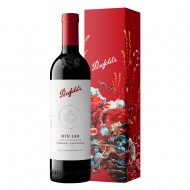
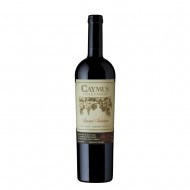
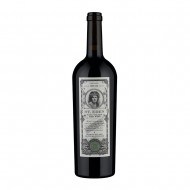
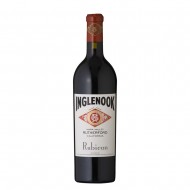

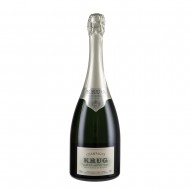
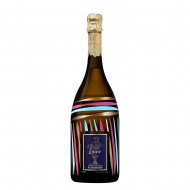
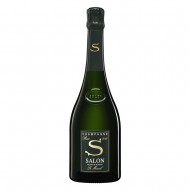
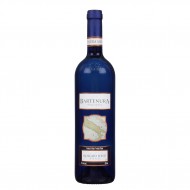

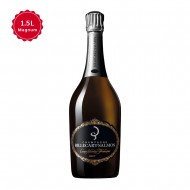
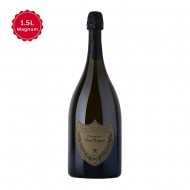
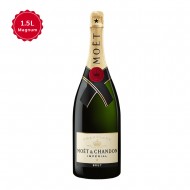
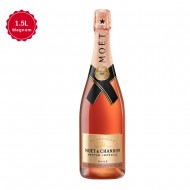








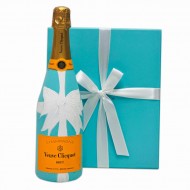







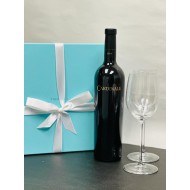

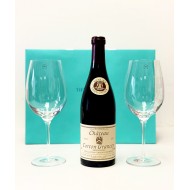

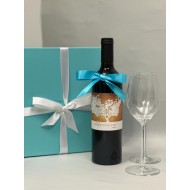

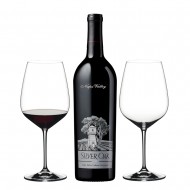















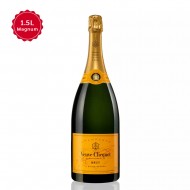

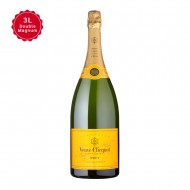
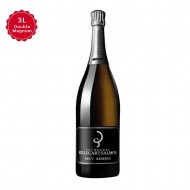

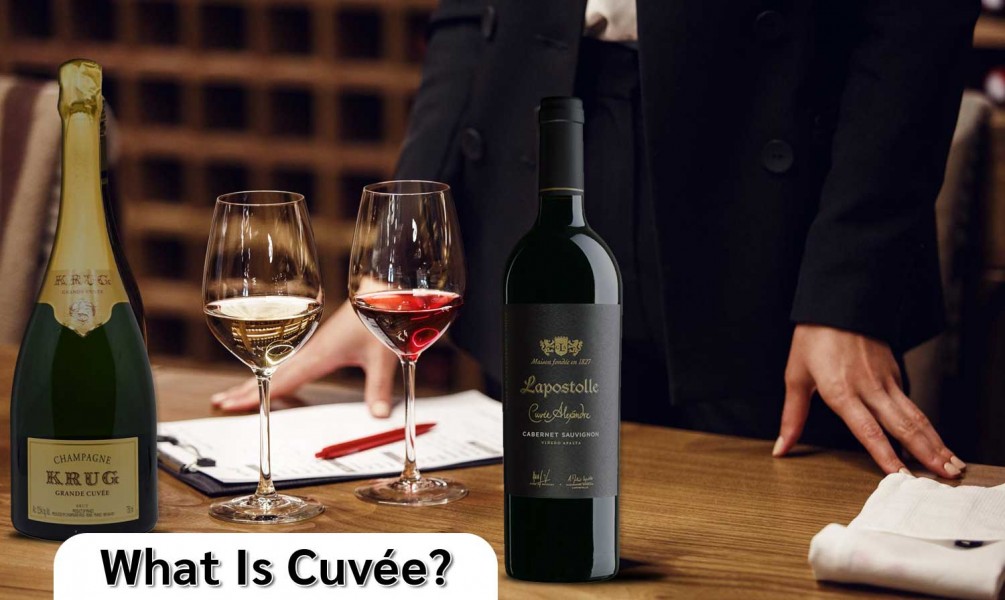
Ever wondered what is the meaning behind the term ‘Cuvée’ mentioned in a Champagne or wine label? you’re not alone! This term appears in different contexts in the world of wine. So, what is Cuvée and why does it matter? Let’s explore this term in a way that’s easy to understand.
"Cuvée" is one of those elegant French wine terms that people nod along to without fully understanding. Even the pronunciation puzzles you when it usually appears on a wine label – the term cuvee pronounced as ‘koo-vay’ and it rolls off the tongue just as elegantly as it tastes.
Even though the pronunciation sounds smooth, the meaning can be surprisingly elusive. Part of the confusion comes from the fact that the term is not regulated, which means different producers use it in their own way. Sometimes it signals superior quality, sometimes it reflects a special selection, and other times it simply highlights the style or blend. At its heart, cuvée comes from the French word cuve, which literally means a “tank” or a “vat”.
In this guide, we’re keeping things clear, friendly, and beautifully simple — because decoding wine should feel like joy, not homework. From what is cuvée in a wine to what is cuvée in Champagne, from tête de cuvée to cuvée in non-wine context, we’re covering everything. Let’s swirl right into it.
What Does Cuvée Mean in Winemaking?
In winemaking terms, "cuvée" refers to the first batch of grape juice taken from a vat or tank after the grapes are pressed for the very first time when they arrive at the winery. This initial portion is also known as “free run juice” – the part considered the best in flavor, natural sweetness, balance, and overall superior quality. Some winemakers of sparkling wines even call this early fraction, which exceptionally comes from gentle pressing of the grape, their elixir because it carries the purest, cleanest varietal aromas with very few bitter phenolic compounds.
The pure and delicate juice is highly valued in traditional method sparkling wines where clarity, finesse, and structural precision matter deeply. As pressing continues, the later fractions, known as the "taille", contain more phenolics and structural elements that can impart slightly bitter or intense flavors. These traits are less desirable for classic, clean sparkling wines, which is why the cuvée portion is separated with so much care.
Quick Cue for Cuvée (Still Wines Made Simple)
When you come across cuvée on a still wine label, think of it as the winemaker’s creative shortcut:
- A crafted blend of different grape varieties - maybe Merlot, Cabernet Sauvignon, Syrah or any mix chosen for a certain style.
- A vineyard pick - sometimes the star parcel, the ripest fruit, or the oldest vines make the cut.
- A signature touch, like a personal playlist, it reflects the winemaker’s vision.
And here’s the trick: the term is not regulated in still wines only. A cuvée can be top-tier or simply the producer’s preferred expression — which is why checking the winery’s reputation always helps.
What Is Cuvée Champagne?
The meaning of "cuvée" however, is more relevant and precise in the world of sparkling wines, particularly Champagne. So, what is Cuvée Champagne? In the case of Champagne, cuvée can refer to both
- the special blend of high-quality base wines as well as
- the first gentle pressing of quality grapes.
In Champagne, this first pressing is extracted through exceptional pressing of the grape, and from 4,000 kg of grapes, only the most delicate portion — the celebrated 2,050 liters of grape juice — qualifies as the cuvée. The purest juice that comes off the first pressing becomes the foundation of superior quality Champagne.
This cuvée forms the foundation of high-quality Champagne, especially expressions that aim for elegance and precision. Whether it's used for the house blend or reserved for a tête de cuvée, this top-tier free-run juice is prized for its uber finesse and balance — qualities essential for all Cuvée Champagne that is refined and luxurious.
How Is Cuvée Wine Made?
A cuvée wine-making starts with the pressing of the grapes to get the best and the cleanest portion of the juice. The first extraction (the true cuvée) is the most aromatic and pure. The process begins with:
- Grape Selection: Producers pick the best plots, older vines, or specific grape varieties to capture superior quality fruit.
- Gentle Pressing: in Champagne, 4,000 kg of grapes produce about 2,050 liters of juice for the cuvée, with ultra-selective fractions (sometimes only 500 liters) being reserved for prestige cuvées, and the later taille being extracted afterward.
- Blending the Base Wines: Winemakers create a special selection by blending different base wines or varietals, sometimes even crafting a tête de cuvée for their finest bottling.
- Fermentation & Aging: The wine is aged in steel, oak, or a vat or tank depending on the style. For sparkling wines made by the traditional method, the second fermentation in the bottle is what creates the bubbles, texture, and complexity.
- The Final Cuvée: The finished cuvée is the winemaker’s polished expression, balanced, intentional, and crafted to stand out.
What Is the Difference Between Champagne and Cuvée?
Oftentimes, folks wonder about the difference between Champagne & Cuvée. Simply put, Champagne is a type of Sparkling wine from the Champagne region of France, made using the “Traditional Method”. Cuvée, on the other hand, refers to the special blend or a selection of base wines used to make that Champagne.
While Champagne follows strict regional rules, cuvée-style sparkling wines are made in many wine-producing regions around the world. South Africa’s Methodé Cap Classique and sparkling cuvées from California to Australia each express their own regional character and nuances of the production method employed. The flavors and structure may differ, but the idea remains the same, a blend that captures the winemaker’s intention and showcases the superior quality of the chosen base wines.
What Is Cuvée Brut?
There remains the question of Brut — a term often seen alongside cuvée, such as Brut Cuvée. The word "Brut" indicates the sweetness level of the wine, describing how dry it is. So, when you see the term Brut Cuvée, you’re looking at a dry cuvée Champagne, one that’s elegant, crisp, and refreshing, made using the specially selected base wines from premium-quality grapes. Champagne cuvées and other traditional-method sparkling wines undergo a second fermentation that creates fine bubbles and that signature fresh acidity often associated with refined cuvée wine.
What Is the Difference Between Brut and Cuvée?
To understand what a cuvée is in this context, the distinction is actually quite simple:
- Cuvée refers to the blend or selection — often the finest first-press juice or a carefully curated base-wine combination chosen for balance, precision, and character.
- Brut refers to the sweetness level — meaning the wine is dry with very low residual sugar.
Put together, "Brut Cuvée" means a dry sparkling wine made from a premium cuvée selection. It’s not a separate style but a combination of quality (cuvée) and taste profile (brut).
If you’d like to explore the term "Brut" in more detail, you can check out the guide here: What Is Brut Champagne — it breaks down sweetness levels in Champagne and sparkling wine in a friendly, beginner-friendly way.
What Does a Cuvée Wine Taste Like?
The taste of cuvée wine can vary depending on the components and style. Still, all cuvées tend to be balanced, smooth, and rich, combining the strength of various high-quality grapes and base wine blends.
Cuvée Champagne and Cuvée Brut sparkling wines are often dry, crisp, and complex, with notes of citrus fruit, apple, toast, brioche, and classic minerality. The special cuvée wines reflect not just the greatness of fruit but also display the impeccable craftsmanship that defines a well-made cuvée wine.
We’ve made it easy; here’s a simple breakdown of how cuvée tastes across different wine styles:
| Type of Cuvée | What It Really Tastes Like |
|---|---|
| Still Wine Cuvée | Smooth, balanced, clean fruit, refined texture, and a polished blend that feels intentional and high quality. |
| Sparkling Cuvée (Champagne, Brut Cuvée, Premium Sparkling Wines) | Dry, crisp, fine bubbles, bright citrus, orchard fruit, chalky minerality – elegant and pure from the finest cuvée juice. |
| Rosé Cuvée | Fresh, vibrant, floral-to-berry notes with a juicy lift – crafted for a refreshing, signature rosé expression. |
Is Cuvée Like Prosecco?
A common comparison often arises between cuvée and Prosecco. While both are sparkling, they’re not the same, so let’s understand — Is Cuvée like Prosecco? Not exactly. Prosecco is made using the Charmant Method, or the Tank Method, where second fermentation happens in large pressurized tanks, resulting in a lighter, simpler and fruitier style of sparkling wine with fresh pear, apple, and floral notes.
Cuvée Champagne, on the other hand, is made using the Traditional Method (Méthode Traditionnelle), wherein second fermentation happens inside the bottle, and thereafter wine stays on lees (dead yeast) for prolonged periods, resulting in more depth of flavors, richer texture, fine bubbles, complex brioche and citrus notes, and greater depth, which are hallmarks of high-quality sparkling wines and premium cuvée selections.
The Final Take on What is Cuvée
In short, what is cuvée, depends on the context in which it is being used. But it always reflects the intention of craft and quality. Whether it's a refined Cuvée Champagne or a rich and robust red cuvée, the term celebrates and awards the winemaker’s art of choosing and crafting special wines. On many wine labels, the word cuvée beholds a story of perfection, balance, and love for the craft —resulting in a perfect sip, every single time.
Frequently Asked Questions
1. What is cuvée in a non-wine context?
In a non-wine context, the cuvée means a special blend of a product or beverage, created with intention and refinement. The word is typically used for indicating a higher-quality batch of products like beer, chocolate, perfumes, coffee, or even olive oils.
2. What is cuvée in the sparkling wine context?
In the case of sparkling wines, particularly Champagne, the term cuvée is used to denote the highest–quality juice that comes from the very first and gentle pressing of the grapes and is, therefore, the most delicate and pure. Besides, it can also indicate a special blend of base wines chosen for their charm, balance, and precision.
3. What kind of wine is cuvée?
A cuvée isn’t a specific type of wine — it’s a quality-driven designation. The term can refer to a special blend, a high-quality selection, or the finest juice from the first pressing. You’ll find cuvées across red, white, rosé, and sparkling wines, each one reflecting the winemaker’s chosen style and craftsmanship.










Leave a Comment