




























Wine enjoys a reputation of being classy, elegant, and relaxing—a perfect companion to gourmet food and hearty conversations. But let’s be real — all of us and most people have, at some point wondered — how much wine does it take to get drunk? Whether you’re planning a chill-out night in or heading out for a fancy dinner, understanding and knowing your alcohol limits is very important.
Wine contains alcohol like any other drink so, if you’re still asking, can you get drunk off of wine? The answer is, absolutely yes! But, how quickly and how intensely wine can get you drunk depends on several factors like your body weight, alcohol tolerance, metabolism, and whether or not you’ve eaten recently.
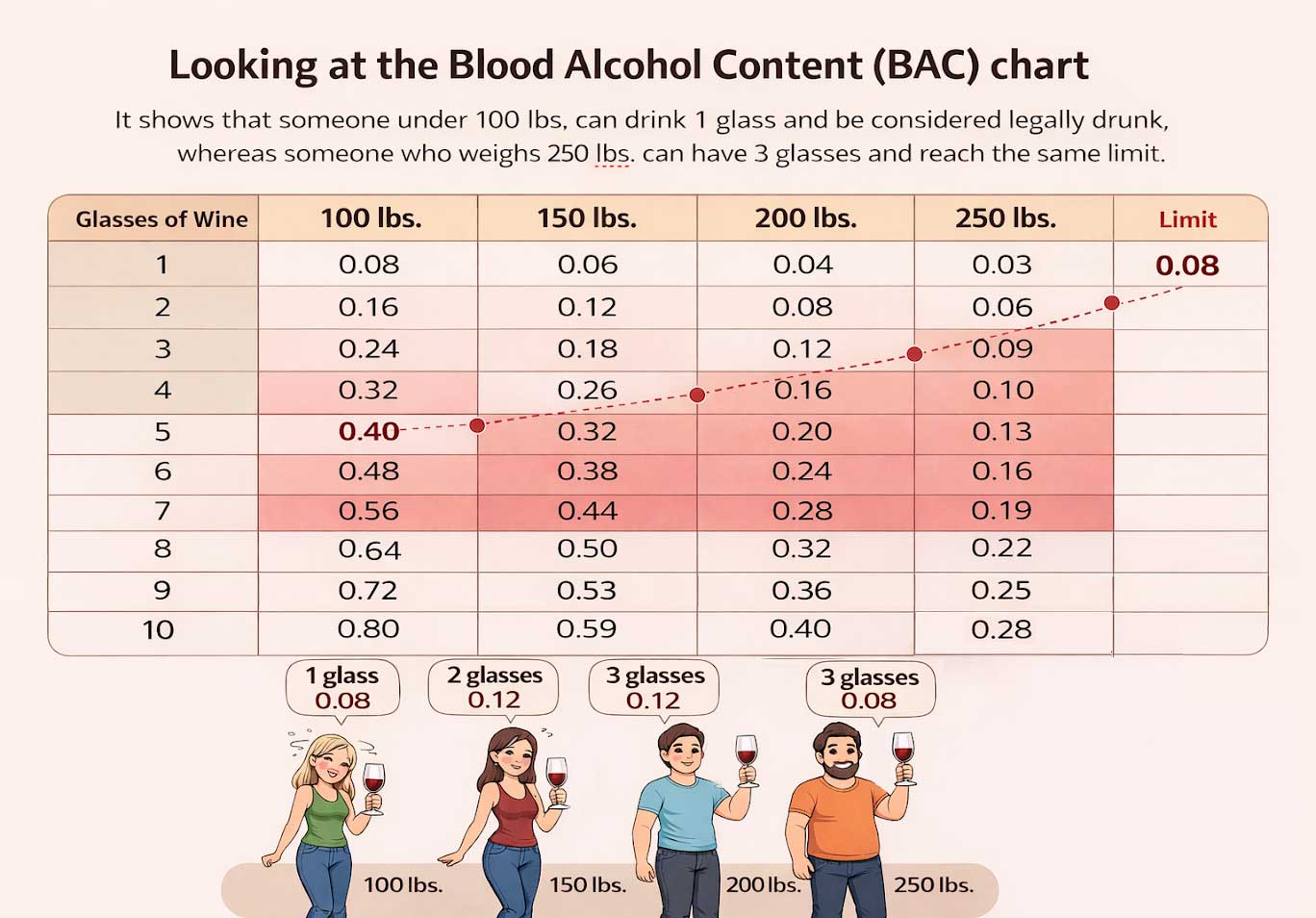
For most adults of legal drinking age, how many glasses of wine to get drunk, typically ranges from 2-3 standard glasses of wine, specially when consumed within a short frame of time, without taking gaps with water and food in between. A standard 150ml serving of wine will contain around 12-14% alcohol, this will vary based on the type and style of wine. 12-14% alcohol per glass adds up much faster than most people realise to get one drunk on wine. ABV % (alcohol by volume) along with other varying physiological factors matter the most when trying to figure — how many wine glasses to get drunk?
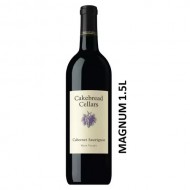
Let’s break it down with a few examples. If you’re sipping on a full-bodied Napa Valley Cabernet Sauvignon or a Chianti, which are wines of higher abv, as compared to lighter white wines like Sauvignon Blanc or a sweet Moscato d’Asti. This brings me to another common query most people have — can red wine get you drunk more quickly than lighten white wines? Yes, they can as we know, most reds are fuller compared to whites and will thus raise the alcohol level in your system faster than whites. But still, the “wine drunk” depends mostly on the drinking pace and personal tolerance rather than the wine style alone.
Also wondering about calories in your favourite red wine, read our blog
— A Guide To Smart Sipping - Calories In Red Wine
Love light and herbaceous Sauvignon Blanc, this one’s for you
-The Ultimate Sauvignon Blanc Guide
The most common question asked specially by new wine drinkers is — can wine make you drunk? Yes, it definitely can and does, but in a different way than other alcohol. While the mechanism of alcohol remains biologically same in your system, wine can feel more compared to other spirits but surely raises the alcohol volume in your blood as you’re not diluting it. So, if it's 14% abv in a wine, it's a straight 14%—without any mixing, that's why you need to particularly hydrate between glasses of wine, this gap also slows down the tipsy effects you may feel quickly otherwise.
You’re thinking — what does wine drunk feel like? The relaxed, uplifted, affectionate and well, at times sentimental effect after drinking wine is described by many as the “wine drunk” feeling. Depending on personal tolerance, wine may not hit as abruptly as other liquor, but care must be taken to not go overboard, as that can sneak you into drowsiness. Wine is a softer, warmer, and a gigglier version of intoxication, but moderation and drinking responsibly should always be your first priority.
Whether it’s a lay Sunday afternoon brunch that calls for a subtle rosé or a weekend dinner with a bolder red or a structured white, remember that even though wine feels gentler, moderation matters. As said earlier, hydration, periodic food intake, and knowing your personal limits go a long way towards keeping the experience enjoyable. Understanding how alcohol affects you, ensures you enjoy your favourite wine safely and confidently, without any painful or acidic surprises the morning after.
We’ve put together a list of wines that will help you choose the right wine based on your mood or the occasion. Keeping this quick reference sheet is handy, as it covers common wine styles and their usual ABV ranges : Cheers to mindful sipping!
| Wine Type / Style | Typical ABV Range (%) |
|---|---|
| Moscato / Light Sweet White | 5 – 8% |
| Off-Dry / Medium Sweet Whites | 11% |
| Prosecco | 10.5 – 12% |
| Champagne & Other Sparkling | 11 – 12.5% |
| Sauvignon Blanc | 12 – 13.5% |
| Pinot Grigio / Pinot Gris | 13.5% |
| Chardonnay | 12.5 – 14.5% |
| Rosé Wines | 11 – 13.5% |
| Red Blends (general) | 12.5 – 14.5% |
| Merlot | 13 – 14.5% |
| Cabernet Sauvignon | 13.5 – 15% |
| Shiraz / Syrah | 14 – 15.5% |
| Zinfandel (high-alcohol style) | 16.5% |
| Port & Fortified Wines | 22% |
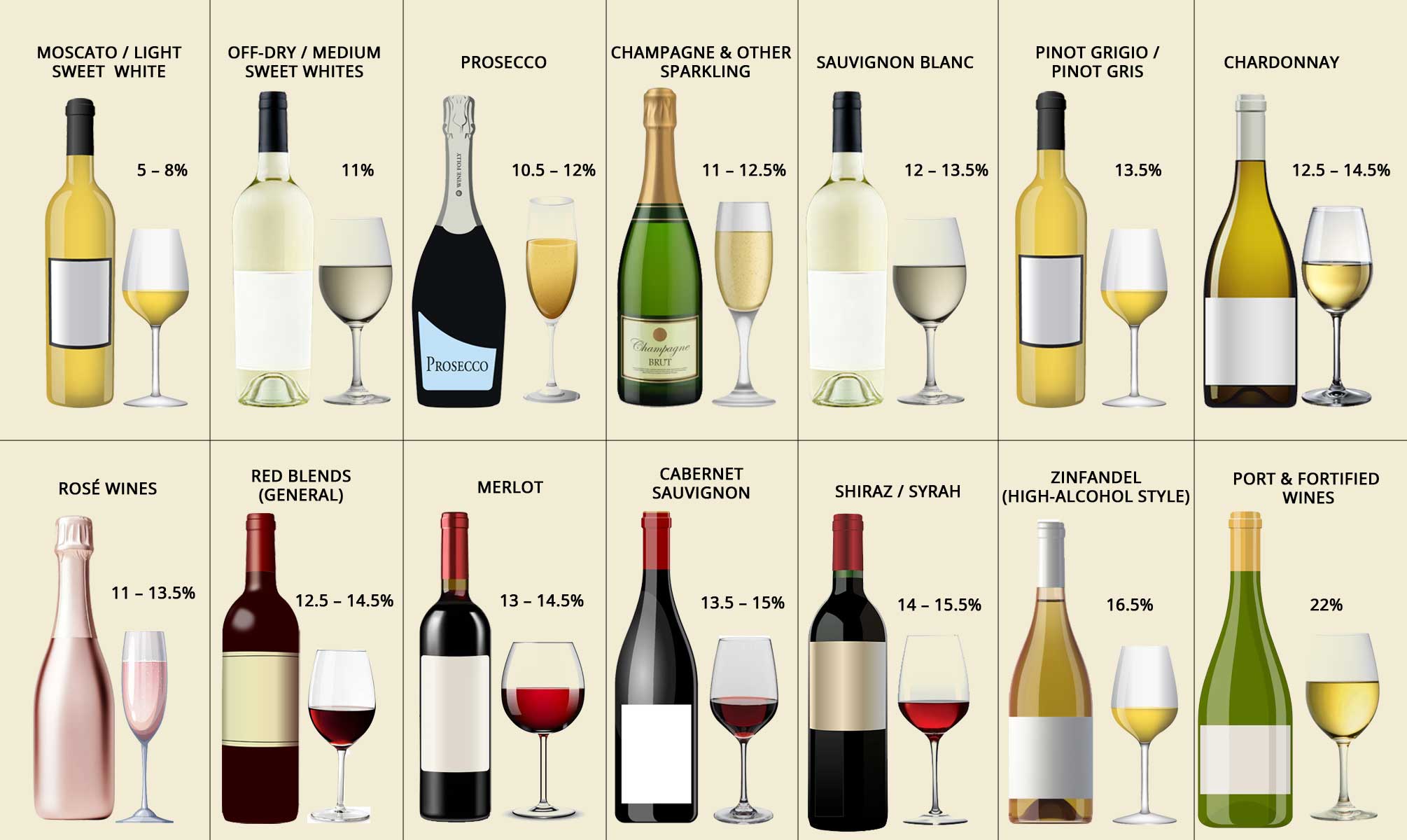
Higher ABV wines generally lead to faster intoxication because there’s simply more alcohol per glass. That’s why 2 glasses of port may feel very different from 2 glasses of Pinot grigio, even if they are served in the exact same quantities. Port being a fortified wine has a very high abv compared to Pinot grigio, a light and fruit-forward style of white wine.
Choosing a right wine style and mindful drinking, will ensure that you enjoy good wine in great company, rather being intoxicated. Always take advice of your physician before indulging in wine or any other form alcohol. Never drive or operate machinery after alcohol intake. Cheers to mindful sipping!










Leave a Comment