


































































Brut vs. Extra Dry: The Ultimate Guide to Sparkling Wine Sweetness, Champagne Styles & Prosecco Picks
Sipping on your favourite wine is never anything less than a pleasure. But, while shopping for wine, few terms cause more confusion than Brut and Extra Dry. They are often spotted on Champagne, Prosecco, and other sparkling wine labels, yet their meanings rarely match with what drinkers assume. Understanding the key difference between Brut vs Extra Brut wine helps you choose the wine styles you enjoy, drink wine more confidently and create sumptuous wine and food pairings. Despite literally sounding “not sweet”, Extra Dry is actually sweeter, while Brut remains the most widely enjoyed dry style across the sparkling wine world. Let’s take a deeper dive into the meanings of Brut and Extra Dry.
What Is Brut?
Brut is a wine term used to describe sparkling wine styles that are dry and crisp, with very low, often unnoticeable amounts of residual sugar. Sugar in a Brut wine is anywhere between 0-12g/L, which is enough to soften the high acidity of most sparkling wines, without being much perceived on the palate. That’s why Brut wines don’t usually taste sweet, as the residual sugar gets balanced off by the high and bright acidity. Brut is often the most popular choice amongst the styles of sparkling wines because it delivers freshness, balance, and a clean finish that appeals to most palates.
You’ve surely often seen people revelling in the company of a Brut Champagne or a Brut Prosecco—as both bring style to wine drinking and celebrations, without being overtly dry and intensely complex.
Related reading: Sparkling Wine 101: Types, Flavors & Pairings - Complete Guide
What Is Extra Dry?
It’s a bit confusing here—despite the name, Extra Dry is not the driest style. In fact, Extra Dry sparkling wine sits slightly higher on the sweetness scale than Brut sparkling wine, usually containing 12-17g/L of residual sugar. This makes the wine feel more softer and less edgy on the palate. If you’re still wondering what Extra Dry wine means, the fact is that it has a subtle sweetness that’s noticeable on the palate—gentle enough for the wine to taste balanced, yet as compared to Brut, it's definitely more noticeable.
The Champagne Sweetness Scale
- Brut Nature: 0-3 grams of sugar, 91-93 calories.
- Extra Brut: 0-6 grams of sugar, 91-96 calories.
- Brut: 0-12 grams of sugar, 91-98 calories.
- Extra Dry: 12-17 grams of sugar, 98-101 calories.
- Dry: 17-32 grams of sugar, 101-111 calories.
- Demi-Sec: 32-50 grams of sugar, 111-121 calories.
- Doux: 50+ grams of sugar, 121+ calories.
What Is Brut Champagne?
Brut Champagne is made in a dry style, where the focus is on minerality, elegance, and lively acidity. Since Champagne has naturally high acidity, the small amount of residual sugar helps tone it down without ever making the sweetness feel cloying or the acidity feel overtly sharp. This is why Brut Champagne is the most common and celebrated style across every Top Champagne Brands.
Click through our special Brut Champagne feature: What Is Brut Champagne - Uncovering The Bubbly Mystery
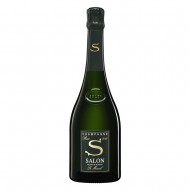
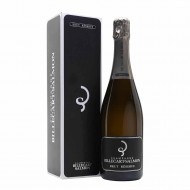
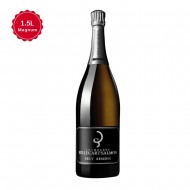
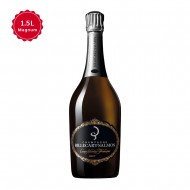
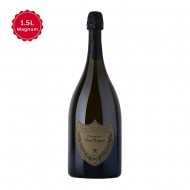
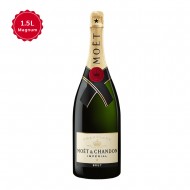
Some Iconic Brut Champagnes
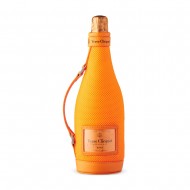
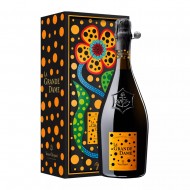
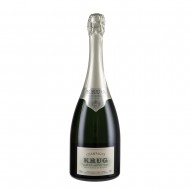
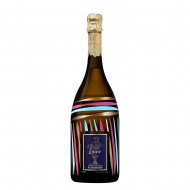
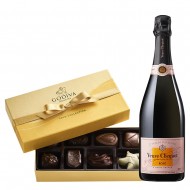
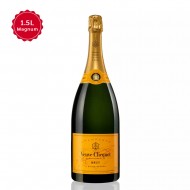
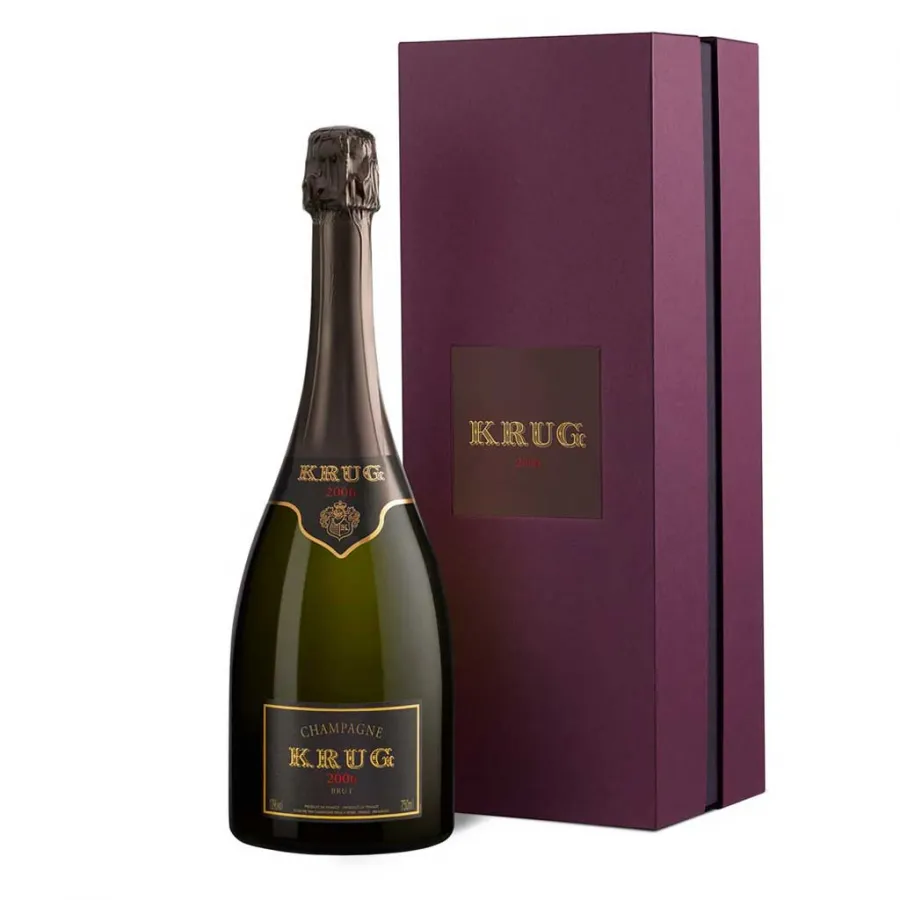
Each champagne house produces a Brut Champagne, many champagne houses stand out for their rich history and elegant styles. Like Dom Perignon, Krug, Veuve Clicquot and more. Explore our wide selection of Luxury Champagne gifts here.


Brut Champagne vs. Extra Dry
Discovering and comparing Brut Champagne vs. Extra Dry Champagne uncovers one of sparkling wine’s biggest surprises: Extra Dry Champagne is the sweeter one out of the two! Brut Champagne tastes lean, swift, and refreshing, while Extra Dry Champagne has a smoother, and a slightly sweeter impression on the palate. The slightly elevated sugar in Extra Dry Champagne softens the naturally high acidity of Champagne, making it feel a bit more supple on the palate. The difference between Brut Champagne and Extra Dry Champagne isn’t dramatic but enough to set these two styles apart.
Technical Difference Between Brut and Extra Dry Champagne?
The real difference between Brut and Extra Dry Champagne ultimately comes down to sugar levels or the residual sugar. Brut Champagne has 0-12g/L of sugar, while sugar in Extra Dry Champagne is anywhere between 12-17g/L. This means, extra Dry Champagne will always be sweeter than the Brut Champagne, despite what the terms might imply when mentioned on the label. This distinction sets the styles apart and understanding it helps you choose the style of Champagne that you will enjoy best, whether it is a near bone-dry Champagne or the one that renders a slightly sweeter and softer sips. In short, Brut is leaner and drier, while Extra Dry is fruitier and rounder.
Brut vs. Extra Dry Prosecco
Brut vs. Extra Dry Prosecco is one of the most common comparisons among Prosecco fans. Prosecco Brut tastes more citrus-driven with zesty acidity, making it a great companion with salty and savory foods.
Extra Dry Prosecco with its faint sweet underpinnings showcases clear notes of pear, sweet apple, and floral hints. This style with its noticeable sweetness is more popular for casual sipping, a dessert pairing, and also as a famed cocktail ingredient-Aperol Spritz anyone!?
When choosing between Prosecco Brut vs Extra Dry, Brut Prosecco appeals drinkers who want a crisp, refreshingly dry flavour profile, while Extra Dry Prosecco tops the list for ones who enjoy a noticeable dash of sweetness, and a more aromatic fizz. Since Prosecco naturally leans towards fruity flavours, even the Brut version tastes playful and party-ready, while Extra Dry highlights Prosecco’s signature notes of peach, melon, apple, sweet grapes, and white blossom flowers, alongside a softly sweet finish.
Champagne vs Prosecco: How Champagne And Prosecco Truly Different - From Grape To Glass
Is Brut better than extra for Mimosas?
Absolutely! Brut is the best choice for Mimosas because its bright, zesty acidity cuts through the sweetness of orange juice, giving the cocktail a stylish and fresh facelift. Extra Dry Champagne can make mimosas taste sweeter and a bit bulkier, which is why Brut is a popular pick for brunch cocktails.
Make your Mimosa now with our Best Champagnes For Mimosas Guide: Celebrate In Style With These Top Bottles!
FAQs:Frequently Asked Questions
- Is Brut drier than Extra Dry?
- Which has more sugar, Brut or Extra Dry Champagne?
- Is Extra Dry sweeter than Brut?
- Which is better— Brut or Extra Dry?
Yes, Brut is always drier than Extra Dry. Despite the misleading name, Extra Dry contains more sugar than a Brut. So, Brut tastes lean and crisp, while Extra Dry will always leave a trail of subtle sweetness on the palate.
Extra Dry Champagne has a higher level of residual sugar than Brut Champagne. But this sweetness in Extra Dry style doesn’t make it cloying or sugary, but creates a rounder and richer mouthfeel, compared to the sharper and more textured Brut style.
Yes, extra dry sparkling wine is slightly sweeter than the Brut version because it has more residual sugar. This sweetness makes extra-dry slightly sweet, and an approachable style while Brut stays crisp and dry.
Neither is objectively better—it depends on your taste. Brut is ideal if you prefer dry and zesty sparkling wine, while Extra Dry is great for those who enjoy a softly sweet, and a more fruit-forward style of sparkling wine.












Leave a Comment