



























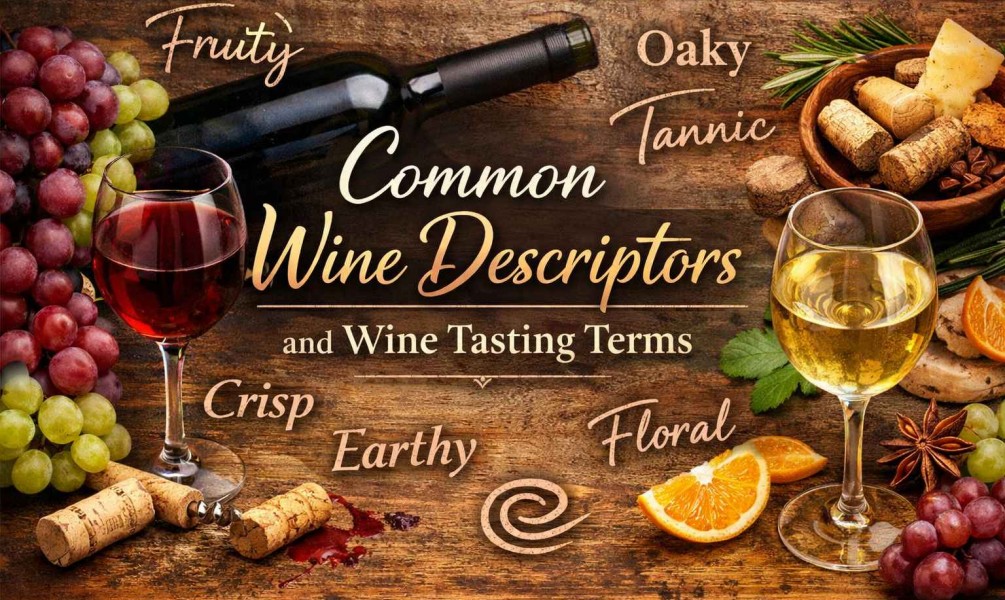
If you ever heard a sommelier describe a wine and wondered what exactly they meant by “bright acidity” or “full-bodied with notes of dried herbs”, you’re not alone. Wine tasting terms can be intimidating but they don’t have to be. Wine is a beverage that should be consumed for pleasure, fun, and celebration while you’re able to drop all pretence about it. Wine brings people together in joy and doesn't really have to be all that complicated. Fancy wine words can be left for wine snobs while we share some easy wine terms and common wine descriptors that you can use without sounding like one yourself.
Understanding wine tasting terminology equips you to appreciate wine and communicate about it in a better way. Whether you’re new to wine or simply looking to refine your palate, this guide breaks down the most wine tasting words in a clear and approachable way. We’ve put together a simple wine tasting glossary covering the essential terms for wine tasting that you’ll encounter when exploring different wine types and styles.
Why Wine Has Its Own Language
Wine tasting is not about being pretentious. Some commonly used wine tasting terms exist to simply describe what we experience via different senses - sight, smell, and taste. Using consistent wine terminology helps professionals and enthusiasts describe wines accurately, compare styles, and communicate flavours and textures for different wine styles. Think of wine vocabulary being similar to learning the vocabulary of perfume, coffee, tea, or even food.
Wine Terms Based on Origin and Winemaking Techniques
Wine tasting terminology describes not just flavours, but also where the wine comes from and how it is made. These wine tasting words help explain the style of wine which is of great help while choosing a bottle to drink or gift.
Old World
This term refers to wines from traditional European wine producing regions such as France, Italy, Spain, and Germany. These wines are made according to regional laws and higher quality ones showcase more ageing capacity and balance.
New World
This common wine term describes wines from regions outside of Europe, like the United States, Argentina, Chile, Australia, and South Africa. New world wines often display ripe fruit and innovative winemaking and a more approachable style.
Oaked
A wine that has spent time in oak barrels. Oak ageing adds toasty, smokey, vanilla, and cedar wood like notes. Depending on the origin of oakwood, some wines can also display dark chocolate, coffee, or sweet baking spices.
Unoaked
Wines that do not spend time in oak during winemaking and maturation. These wines show a fresh, primary fruit character like citrus and green fruit notes, floral aromas etc. As they age in stainless steel tanks or concrete vessels.
Malolactic Conversion
This is an optional process that is deployed on wines post fermentation. Lactic acid bacteria convert the tart, sharp malic acid (that occurs naturally in grapes) into softer lactic acid, giving wines a softer palate, better balance, and dairy like flavours.
Lees Ageing (Sur Lie)
A technique where wine spends time on dead yeast cells after fermentation. This can add richness, creamy texture, and complex bread, brioche like flavours.
Single Vineyard
This indicates that grapes used in the wine are from a single, often highly regarded vineyard site of top quality. When mentioned, this term points to the fact that wine will show unique characteristics of the growing environment.
Estate Grown and Bottled
When wine is made using the producer's own grapes instead of the bought ones and is also bottled on premise within their own facility, this wine phrase would be mentioned. It appears on premium and super-premium wines highlighting producer’s control over the entire process that delivers top quality wines.
Reserve
A term used by producers in different wine producing regions mainly indicating the ageing requirements the wine must undergo before being sold. It can also be synonymous with selection of wines from a great year. The meaning can vary depending on one region or producer.
Wine Tasting Glossary : Essential Wine Terms Explained
Acidity
Acidity in wine refers to the refreshing, mouth watering quality in wine. It gives wine the much needed freshness and balances other aspects like fruitless and alcohol. Wines with high acidity feel crisp and lively on the palate.
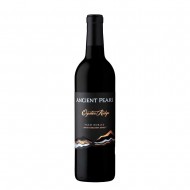
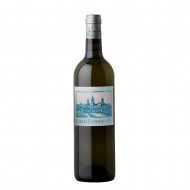
Wine tasting terms used to describe acidity commonly are crisp, zesty, bright, and refreshing. Experience the zing of fresh and high acidity on these wines :
Body
The body can be understood by how heavy or light a wine feels in your mouth. It can be understood to be similar to the difference between skim milk and full fat milk. Wine terms like light-bodied, medium-bodied, or full-bodied are used commonly based on the structure of wine. Light bodied wines feel delicate and refreshing.
Check out these easy-breezy light bodied wines:
Medium bodied wines with a fruity nature taste balanced and not overtly rich. Best medium bodied wines to try now:
Tannins
Tannins are naturally occurring compounds found in skins of black grapes. Red wines made from black grapes have tannins which cause a mouth drying sensation. Tannins can be harsh or underripe in young wines and soften as the wine ages in bottle. Common wine tasting terms that describe tannins are - grippy, silky, round, velvety, fine-grained, and structured.
Aromas
Aromas refer to the scents or smells that come from grape variety, ageing techniques, fermentation techniques, and also from prolonged bottle ageing. Wine aromas or notes as they are sometimes called, are often referred to using wine tasting terms like citrus, apple, rose, violets, mushroom, tobacco, leather, and many more.
Finish
The finish of the wine describes how long the flavours that you like remain in your mouth after swallowing the sip. Finish is always the good part of the wine that lingers on the palate. Long finish on complex wines is often considered a mark of high quality. Wine words used often to describe finish are-short finish, medium finish, lingering finish, or long finish.
Balance
Balance is one of the most important concepts in wine tasting terminology. Balance in wine is harmony between its main components - alcohol, fruit flavours, acidity, alcohol, or tannins are too much or too less compared to one another.
Dry vs Sweet
Many beginners assume wine sweetness refers to fruity flavours, but in wine language dryness relates to sugar levels. Read on to see wine terms that describe varying levels of sweetness.
Dry wines have very little to no residual sugar. There is no perceivable sweetness on the palate. Most table wines we drink fall into this category.
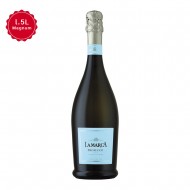
Off-dry wines are slightly sweet but the sweetness is never overpowering the other flavours. Off-dry sweetness makes sparkling wines like LaMarca Prosecco taste more approachable and easily palatable.
Medium Sweet wines have noticeable sugar which is apparent on the palate even before other flavours. Carl Graff Mosel Kabinett Riesling is a deftly balanced sweetness as acidity makes it lively on the palate.
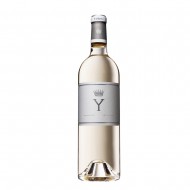
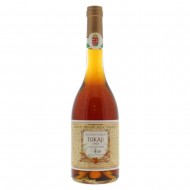
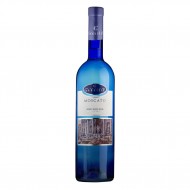
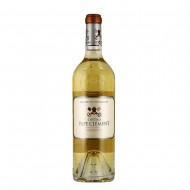
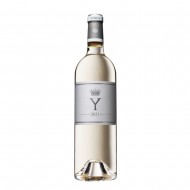
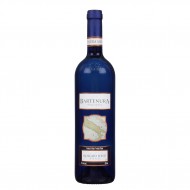
Sweet wines have the highest levels of residua; sugar which is effortlessly noticeable on the palate. Sweet or luscious wines are always well balanced with high acidity. Examples - Chateau D’Yquem Sauternes, Bartenura Moscato D’Asti DOCG.
Minerality
Minerality is one of the more debated and maybe not as much used wine terms. It describes subtle sensations that remind the taster of wet stones, saline, flint, chalk, or slate. Mineral driven white wines are often fresh too, like Sancerre.
Structure
Structure refers to wine’s framework created by acidity, tannins, alcohol, and body. Think of these aspects as building blocks of wine. Wines are of different styles based on levels of these structural components. A well-structured wine exhibits balance and ageing potential.
Complexity
A common wine term that you hear a lot, complexity can be understood as layers of aromas or flavours in a wine. These layers of aromas and flavours are generally created by different processes throughout winemaking. As opposed to the flavour depth of complex wines, simple wines are the ones that show one or two flavours which are predominantly light and fresh instead of being intense and concentrated.
Common Aroma and Flavour Descriptors in Wine
Many wine tasting words describe aromas and flavours that resemble a certain group of fruits, flowers, vegetables, herbs, spices, and some also relate to more complex notes like earth, wet leaves, leather etc.
Here are some commonly used descriptors:
-
Red fruit
- Strawberry
- Raspberry
- Red cherry
-
Black fruit
- Blackberry
- Blackcurrant
- Black or Dark plum
-
Citrus fruit
- lemon
- lime
- grapefruit
-
Stone fruit
- peach
- apricot
- nectarine
-
Floral (Common floral descriptors)
- rose
- violet
- orange blossom
- jasmine
These are often found in aromatic grape varieties.
-
Herbal and Savoury
Some wines show herbal characteristics such as:
- green bell pepper
- thyme
- mint
- eucalyptus
These notes can come from grape varieties or vineyard conditions.
-
Oak Influences
When wine is aged in oak barrels, it may develop additional flavours like:
- vanilla
- toast
- smoke
- clove
- caramel
- Look - observe the colour and clarity, wine should not have any solid bits.
- Smell - identify aromas and always look for that one note that speaks to you first.
- Taste - note sweetness, acidity, tannin, and body of the wine.
- Finish - observe how long flavours last or linger.
These notes are especially common in oak-aged red wines and some Chardonnays oaked and/or fermented on oak barrels.
How to Use Wine Tasting Terminology
Learning a wine tasting glossary is not about memorising hundreds of fancy or snobby wine words. The key is practicing how to simply describe what you smell and taste. A simple tasting framework works well and lets you understand wines on all your sensory levels :
Over time, these terms for wine tasting will become more natural as your palate develops.
Final Thoughts
Wine vocabulary can feel intimidating at first, but it simply helps describe what you experience on all sensory levels. Understanding common wine tasting terminology allows you to better appreciate different styles of wine and communicate your preferences with confidence. It also helps you to eventually drink and buy better. The more wines you taste, the more familiar these wine tasting words will become. Eventually, describing a wine as “bright, medium-bodied with red fruit and a long finish” will feel completely natural. Wine is ultimately about enjoyment and learning wine; the language just makes the experience better and richer.






Leave a Comment